- Category
- Drinks
- State
- Liquid
- Usual unit
- ml
What it is
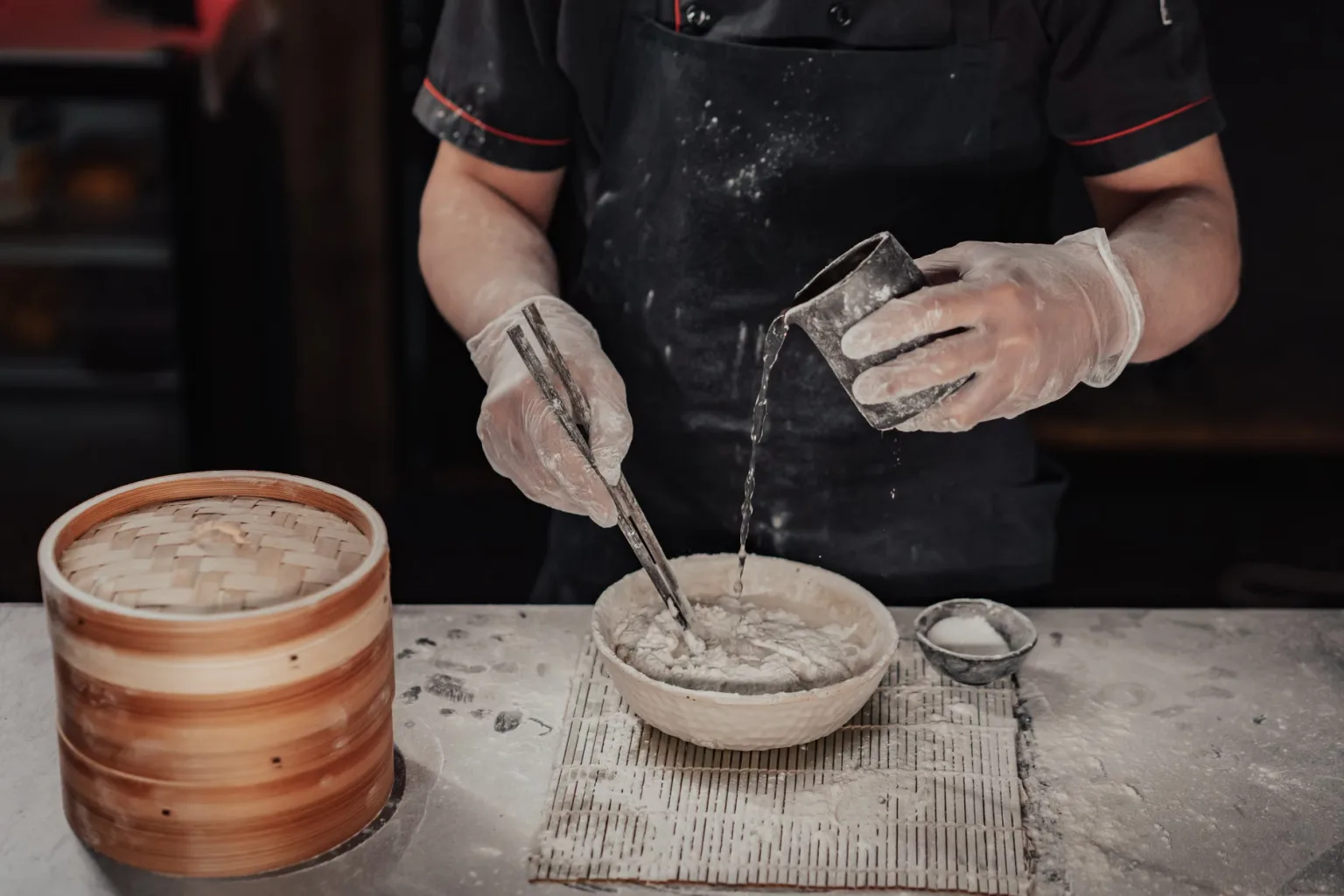
Additional water for pasta is water added during preparation, rather than necessarily the water in which pasta is cooked. It can hydrate dry pasta when a recipe calls for it, or contribute liquid to a mixture whose consistency is being adjusted. Do not automatically treat it as pasta cooking water: cooking water may contain salt and starch released during cooking, while water added beforehand does not acquire those properties by default. The available evidence describes soaking dry spaghetti in water before finishing it in sauce, but it does not establish a universal amount or method for every kind of pasta. Follow the recipe's stated proportions and make cautious adjustments only where the instructions allow them.
When to use it
Use it when a recipe calls for hydrating dry pasta or adding liquid to reach the intended consistency. Soaking dry spaghetti before finishing it in sauce is one documented example, not a rule for every pasta shape. If the recipe specifies a volume, follow it; if it allows adjustment, add water in small amounts and check the mixture before adding more. When loosening or bringing a sauce together, check whether the recipe asks for plain water or pasta cooking water: the latter may contribute salt and starch and may not behave in the same way.
How to use it
Measure the water according to the recipe. If adjustments are allowed, incorporate it gradually while mixing, so you can observe changes in hydration and consistency without adding more liquid than needed all at once. In the documented spaghetti method, dry pasta is covered with room-temperature water before being finished in sauce; this applies to that specific recipe and should not be assumed to suit every pasta shape. When preparing a sauce, do not assume additional water is interchangeable with cooking water: cooking water may contain salt and starch. Taste the mixture before correcting its seasoning, and follow the recipe to decide which water to use.
Flavour and texture
Plain water adds moisture without the saltiness or starch that pasta cooking water may contain. Adding it changes hydration and can make a mixture more fluid. The final effect depends on the recipe and on how much water is incorporated.
How to choose it
Choose water intended for drinking and food preparation. If using bottled water, check that the container is intact and clean. No special type of water is needed for this purpose unless a recipe specifically calls for a different liquid ingredient.
Storage
Water does not require a special preservation method for recipe use. Keep the jug or measuring container clean, and avoid putting dirty utensils into water intended for cooking. If using leftover pasta cooking water, remember that it differs from plain water and consider its salt and starch before storing or reusing it.
Substitutions
Plain water is the most neutral option. Pasta cooking water may work in some recipes, but it can contain salt and starch, so it is not always an equivalent replacement. Broth also provides liquid but changes flavor and may change the salt level; use it only when it suits the dish.
Common mistakes
Do not add all the water at once when the recipe allows you to adjust consistency. Do not confuse plain water with cooking water, which may contain salt and starch. Avoid applying a soaking method described for spaghetti to other pasta without checking the specific recipe instructions.
Safety and allergens
Use water suitable for food preparation and clean containers. If reusing cooking water, remember that it may contain salt and other ingredients from the preparation; follow the recipe's instructions.
Culinary uses
- Liquid for hydration
- Ingredient for adjusting consistency
Recommended techniques
- Add gradually while mixing
- Soak or rehydrate dry pasta when the recipe calls for it
Pairs well with
- Dry pasta or dough that needs hydration
- Pasta sauces, when a recipe calls for added liquid
Frequently asked questions
Is additional water the same as pasta cooking water?
Not necessarily. Additional water is added to a preparation; cooking water may contain salt and starch released from the pasta.
How much water should I add?
The available evidence does not establish a universal amount. Follow the recipe and, if it allows adjustments, add water gradually.
Can I use broth instead of water?
Only if the broth's flavor and salt suit the dish. It is not a neutral substitution.
Sources and review
Automatically researched, cross-checked and validated content. Sources consulted:
- The Essential Glossary of Cooking Terms for the Culinary Arts - Escoffier escoffier.edu
- 8 formas de reutilizar el agua de cocción de la pasta en tu cocina para aprovechar sus propiedades lavanguardia.com
- Food Selection & Storage | Home & Garden Information Center hgic.clemson.edu
- Preparing an Emergency Food Supply, Long Term Food Storage | Food Preservation | Food | Extension | UGA FACS fcs.uga.edu
- Chapter 2: In the Kitchen (Storing and Preparing Food; Preventing Food Waste) – Culinary Medicine opentextbooks.library.arizona.edu
- Kitchen Companion: Your Safe Food Handbook ucanr.edu
- Qué es eso llamado epistemología, para qué sirve, por qué es inexcusable para la universidad y para la paz | Reencuentro. Análisis de problemas universitarios doi.org
- Food Storage in Home | USU extension.usu.edu
- Pasta Puttanesca | University Housing & Dining Services | Student Affairs | Oregon State University uhds.oregonstate.edu
- Recipe - Food Science | Exploratorium exploratorium.edu
- Save water while cooking in a drought | Live Well. Eat Well. | Illinois Extension | Illinois extension.illinois.edu
- Cómo aprovechar el agua de cocer la pasta lafamigliarestaurantes.com
- Nunca tires el agua de la cocción de la pasta: dale estos usos elplural.com
- - YouTube youtube.com