- Category
- Dairy and eggs
- State
- Liquid
- Usual unit
- ml
What it is
Cream is a dairy product made from the fatty part of milk. Products sold as cream differ in fat content and in the processing they receive. In cooking, liquid cream can be added to sauces, soups, pasta dishes, gratins and desserts. Cooking cream generally contains less fat than cream intended for whipping, so not every cream will form a stable whipped texture. The name “cream for the milk mixture” does not, by itself, identify the product’s fat percentage or processing method. Check the package and choose a use that matches the product you have. [5558, 5559, 8002]
When to use it
Use cream when you want a dish to feel smoother or richer, such as a sauce, soup, gratin, quiche or pasta dish. Cooking cream is commonly used for savory preparations. If you need whipped cream for a filling or decoration, choose a product with enough fat and follow its package directions: the sources distinguish cooking and whipping creams with different compositions. Cream can also enrich béchamel, although it changes the result compared with using milk alone. [5558, 5559, 8002]
How to use it
First check which kind of cream you have and what the recipe requires. Stir liquid cream into sauces, soups, pasta, rice dishes, vegetables or gratins to add creaminess, blending it with the other ingredients. For whipping, use a product intended for that purpose and with sufficient fat; cooking cream is generally lighter and is not suitable for making whipped cream. Cream may also be used unwhipped in desserts such as mousse or cheesecake, depending on the recipe. To enrich béchamel, replace only some of the milk with cream if you want to retain the sauce’s familiar character. [5558, 5559, 8002]
Flavour and texture
Cream has a delicate flavor and a smooth, creamy texture. Depending on the type and its fat content, it may be more or less viscous and can make a dish feel richer. Cooking cream is used to add creaminess to savory food; cream intended for whipping contains more fat and can become airy when beaten. Its color may range from white to slightly yellowish. [5558, 5559, 8002]
How to choose it
Read the package description to see whether the cream is for cooking or whipping; the two are not interchangeable for every technique. Check the fat content and the processing stated on the label, since products include pasteurized, sterilized and UHT cream. If a recipe calls for whipped cream, choose a product suitable for whipping. For a sauce or soup, cooking cream may be sufficient. [5558, 5559, 8002]
Storage
Follow the storage directions and date on the package, since cream is sold in different varieties and can receive different treatments. Do not infer its shelf life from the word “cream” alone: the sources distinguish pasteurized, sterilized and UHT products with different storage conditions and periods of use. After opening, follow the manufacturer’s instructions and store it as directed on the label. [8002, 20967]
Substitutions
In savory dishes, whipping cream can replace cooking cream, but the result may be richer and higher in fat. Cooking cream, on the other hand, generally cannot be whipped because it contains less fat. To enrich béchamel, replace some of the milk with cream; this is not the same as replacing all the milk, since it changes the sauce’s consistency and character. [5558, 5559]
Common mistakes
Do not assume every cream can be whipped: cooking varieties generally contain less fat and may not form a stable whipped texture. Also, do not treat cooking cream and whipping cream as identical in a milk mixture; their different fat contents affect the result. Check what the recipe calls for rather than guessing from the product name alone. [5558, 5559, 8002]
Safety and allergens
Cream is made from milk. If you have a milk allergy, check the label and avoid the product unless advised otherwise by a healthcare professional. Follow the package’s storage directions. [8002]
Culinary uses
- Aporta cremosidad a salsas, cremas y platos de pasta.
- Enriquece tartas saladas, quiches y gratinados; la nata con suficiente grasa también puede montarse para postres.
Recommended techniques
- Incorporar a una salsa o crema para darle una textura más cremosa.
- Batir nata con un contenido graso adecuado para obtener nata montada.
- Añadir a una preparación de bechamel para enriquecerla.
Pairs well with
- Salsas para carnes, pescados y mariscos.
- Pasta y arroces.
- Verduras, cremas y gratinados.
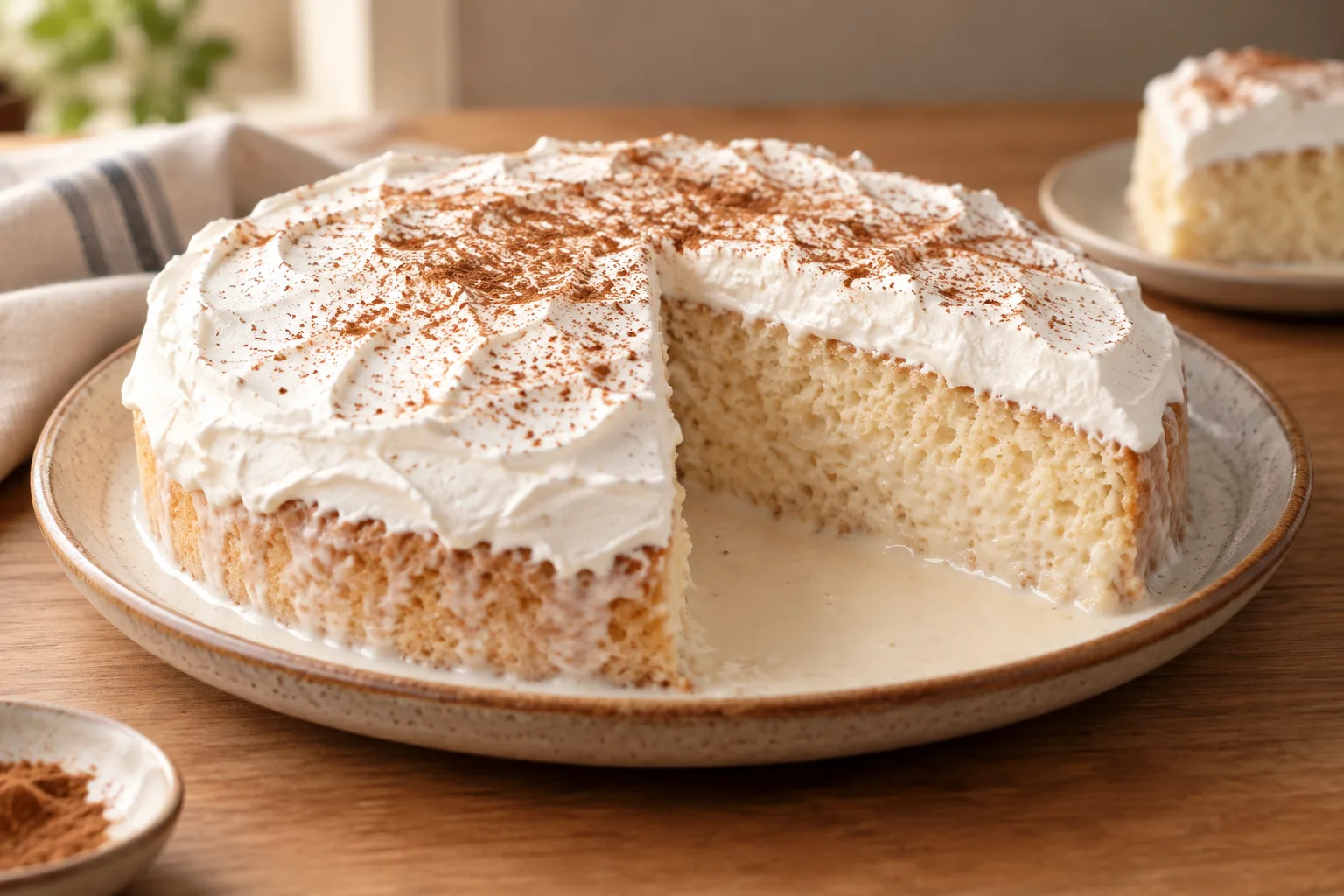
- Postres, tartas de queso y mousses, según el tipo de nata.
Frequently asked questions
Can every type of cream be whipped?
No. Choose a cream intended for whipping with sufficient fat; cooking cream usually contains less and may not whip successfully. [5558, 5559]
Can I use whipping cream in a sauce?
Yes. The sources say whipping cream can also be used in savory recipes that call for cooking cream; the dish may turn out richer and higher in fat. [5559]
How can I enrich béchamel with cream?
Replace some of the milk with cream. The result will differ from béchamel made only with milk, flour and butter. [5558]
Sources and review
Automatically researched, cross-checked and validated content. Sources consulted:
- The Essential Glossary of Cooking Terms for the Culinary Arts - Escoffier escoffier.edu
- Tipos de Nata: Diferencias y Usos | Central Lechera Asturiana centrallecheraasturiana.es
- Diferencias entre la nata para montar y la nata para cocinar | Leche Larsa leitelarsa.es
- La Nata. ¿Qué es? • Leche Pascual lechepascual.es
- Glimpses of an 18th century Colonial Kitchen in Manila archium.ateneo.edu
- Qué es eso llamado epistemología, para qué sirve, por qué es inexcusable para la universidad y para la paz | Reencuentro. Análisis de problemas universitarios doi.org
- Galenic Medicine and Women's Recipes in the Early etd.ohiolink.edu
- Guía de Alimentos Caseros 2026 - Illinois Extension extension.illinois.edu
- Project MUSE -- Verification required! muse.jhu.edu
- Cocinar y Congelar Artículos de la Despensa de Alimentos extension.psu.edu
- Tortilla con Hongos 1952 (Mushroom Omelet) - lacocina.utsa.edu
- Family Food Cent$ newsletter - febrero 2022 - SDSU Extension extension.sdstate.edu
- guía de análisis de peligros y puntos de control crítico ( ... aesan.gob.es
- Hybrid! Healthscapes:! Mothers'! Health! Care! and! Food! ... ir.library.oregonstate.edu
- Strategies Of Resistance Through Food In The Lives Of Rural ... dc.etsu.edu
- - YouTube youtube.com
- Nata – PULEVA lechepuleva.es