- Category
- Sauces and condiments
- State
- Liquid
- Usual unit
- ml
What it is
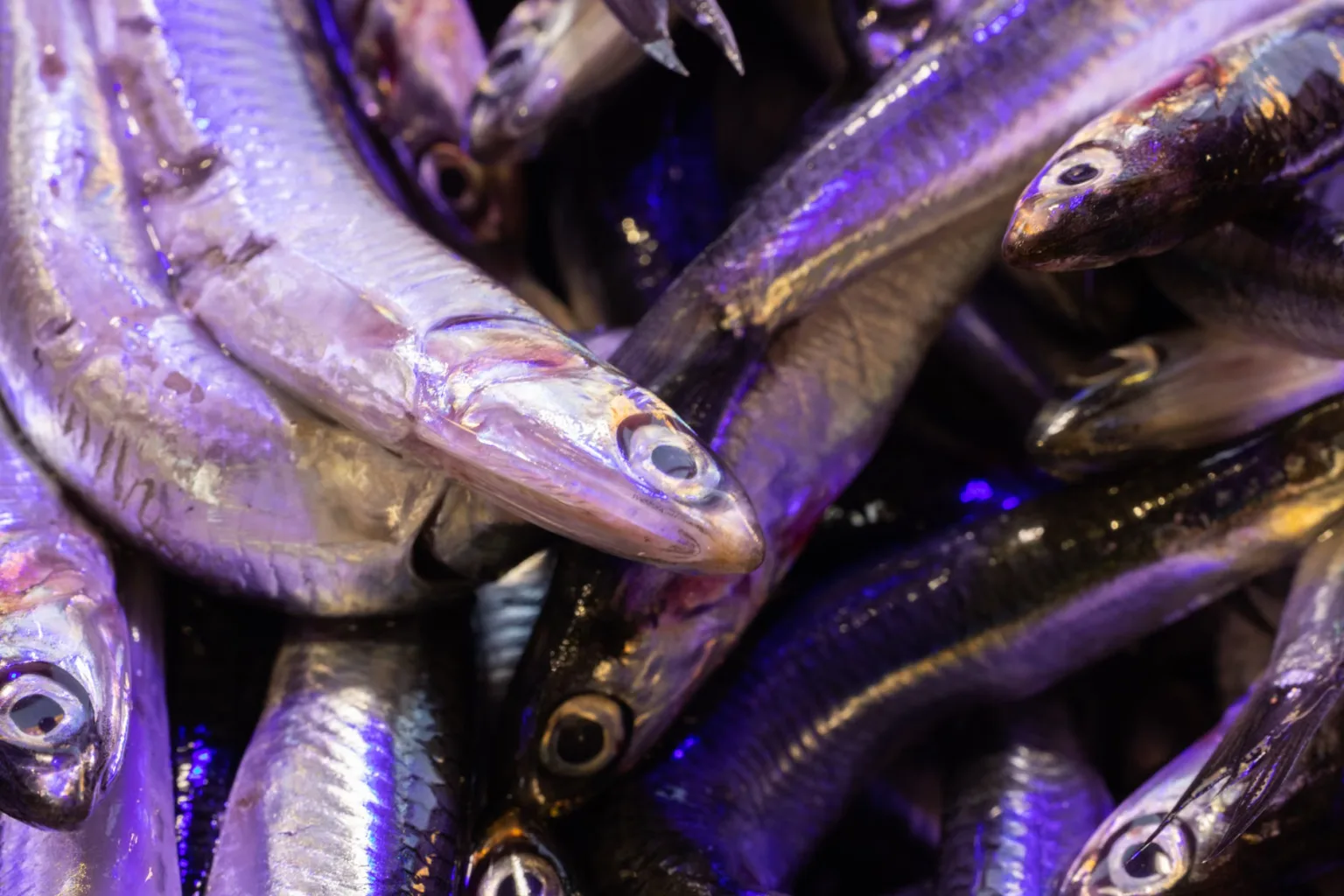
Fish sauce is a liquid condiment made from fish or krill fermented with salt. The name covers a range of products, and their ingredients and production can differ. It is used chiefly as a seasoning: its salty character and umami taste deepen the flavor of a dish without simply making it taste of fish. It can be added while cooking or at the end, and it can also form part of a table sauce or dipping sauce. Its flavor is not interchangeable with soy sauce, even though both can season food. Since products vary, taste as you go and adjust the amount in the dish.
When to use it
Use fish sauce when a dish needs saltiness and a deeper savory note, such as stir-fried noodles, curries, soups, salads or dipping sauces. It can also help build the flavor of a dressing, particularly alongside ingredients such as lime, sugar, chile or garlic. It is a pronounced seasoning, so start with a little, taste the finished combination and add more only if needed. If the recipe already contains other salty ingredients, take that into account before adjusting the seasoning.
How to use it
Add fish sauce directly to a dish while it cooks, or stir it into cooked food to adjust the flavor. You can also combine it with other ingredients to make a dipping sauce or dressing; lime, sugar, chile and garlic are examples of ingredients used in these combinations. Because the sauce is salty and assertive, add it gradually and taste before adding more. It can season noodles, stir-fries, curries and salads, among other dishes. If using it in place of soy sauce or salt, remember that only part of the seasoning role is shared: the final flavor will be different.
Flavour and texture
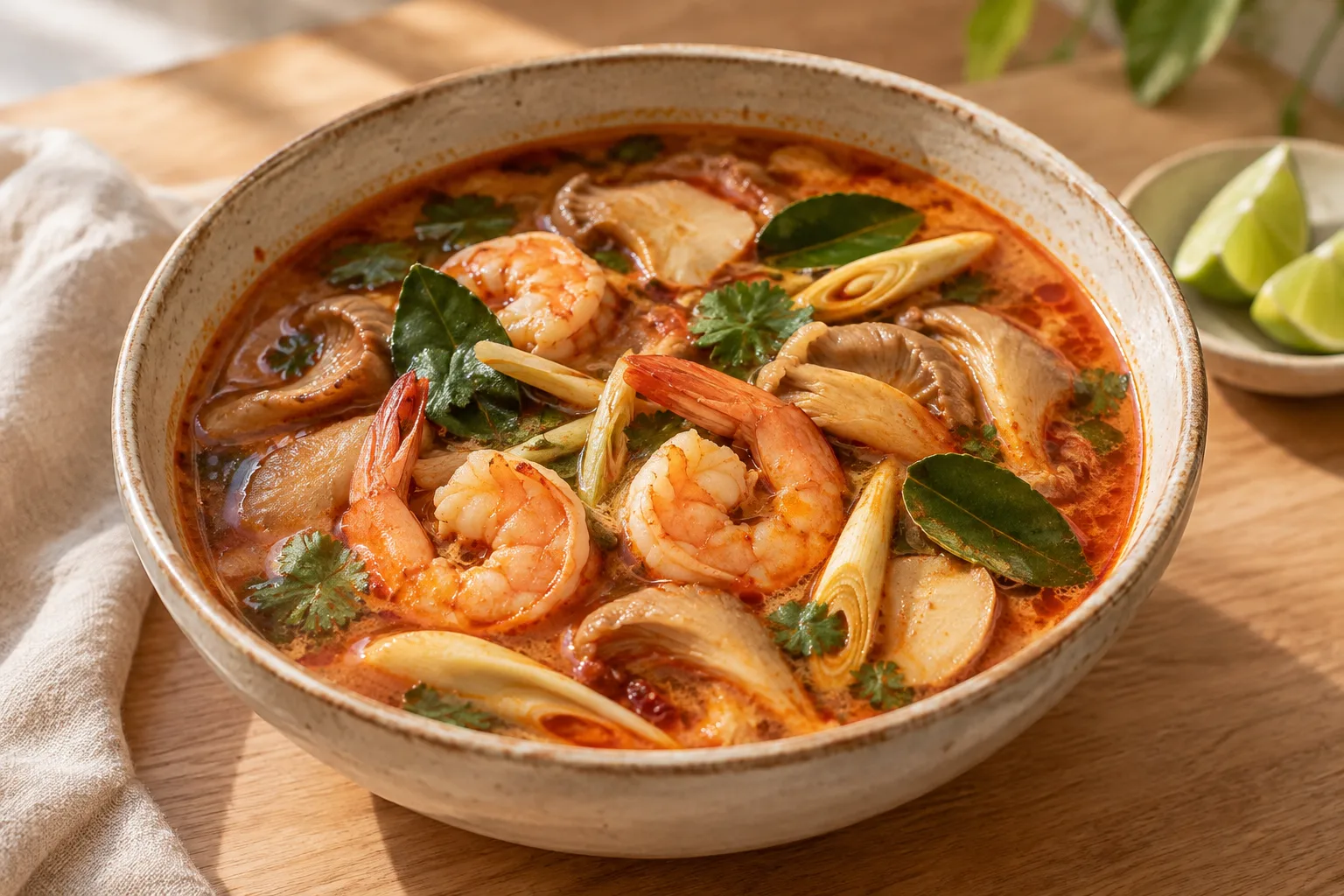
Fish sauce is a liquid seasoning with a salty taste and a strong, recognizable umami character. In some dishes it contributes a deep savory quality rather than an obvious marine flavor, but the profile differs from one product to another. Its liquid consistency makes it easy to distribute through dishes, dressings and sauces. Start sparingly so you can judge how it works with the other flavors before increasing the amount.
How to choose it
Fish sauce covers a variety of products, so do not assume every bottle will have the same flavor profile. Read the label to confirm what you are buying, check the ingredients and follow the manufacturer's directions. The available evidence does not establish a reliable quality test or support a brand recommendation. If a recipe calls for a particular flavor, begin with a small amount and adjust after tasting rather than assuming one sauce will be identical to another.
Storage
The available evidence does not establish a storage temperature or shelf life that applies to every fish sauce. Follow the storage instructions on the specific product label, including any directions for after opening. Do not infer how long it keeps simply because it is a fermented condiment: recommendations can vary by product. Keep the product identifiable so you can refer to its instructions when needed.
Substitutions
Soy sauce can serve a similar seasoning role, but its flavor is different and does not exactly reproduce fish sauce. Salt can provide saltiness, but on its own it does not supply the same umami character. In either case, start with a small amount, taste the dish and adjust; the substitution can change the result and should not be treated as an exact equivalent.
Common mistakes
A common mistake is adding too much fish sauce at once: it is salty and assertive, so gradual adjustment is easier. Do not assume it can replace soy sauce without changing the flavor, or that every variety tastes the same. If the dish already contains other salty ingredients, taste it before adding more seasoning.
Safety and allergens
This product is made from fish. If you need to avoid fish, check the label and do not use a product that is unsuitable for you. Follow the manufacturer's storage instructions as well.
Culinary uses
- Salty, savory seasoning
- Umami-rich ingredient for sauces and dressings
- Seasoning for cooked dishes and dipping sauces
Recommended techniques
- Stir into a dish during cooking
- Add to taste after cooking
- Mix into a dipping sauce or dressing
Pairs well with
- Noodles and stir-fries
- Curries and soups
- Salads and dipping sauces
- Lime, sugar, chile, or garlic in balanced sauces
Frequently asked questions
What does fish sauce taste like?
It is salty and has a strong umami flavor. The profile varies by product.
How do I use fish sauce in cooking?
Add it during or after cooking, or mix it into dressings and dipping sauces.
Can I replace it with soy sauce?
Soy sauce can play a similar seasoning role, but it tastes different.
Sources and review
Automatically researched, cross-checked and validated content. Sources consulted:
- The Essential Glossary of Cooking Terms for the Culinary Arts - Escoffier escoffier.edu
- Los alimentos como medicina: la dieta antiinflamatoria | Children's Hospital of Philadelphia chop.edu
- educational content to support healthful lifestyle practices sjsu.edu
- Nutrition After Your Transplant - Health Online healthonline.washington.edu
- Kimchi casero: guía científica para una fermentación segura | CAES Field Report fieldreport.caes.uga.edu
- Qué es eso llamado epistemología, para qué sirve, por qué es inexcusable para la universidad y para la paz | Reencuentro. Análisis de problemas universitarios doi.org
- Safe & Healthy Food Pantries Project - Health & Well-Being health.extension.wisc.edu
- Seafood Food Safety Tips | Dinner Tonight dinnertonight.tamu.edu
- Salsa asiática de pescado: qué es, cómo utilizarla y una receta de aliño de ensaladas de la que no te separarás nunca directoalpaladar.com
- Salsa de pescado - Wikipedia, la enciclopedia libre es.wikipedia.org
- Publicaciones de Seguridad alimentaria aesan.gob.es
- Spinach | UNL Food | Nebraska food.unl.edu
- La salsa de pescado: descubre su intenso sabor umami freshcado.es
- Salsa de Pescado — Open Spice Box openspicebox.com