- Category
- Sauces and condiments
- State
- Liquid
- Usual unit
- ml
What it is
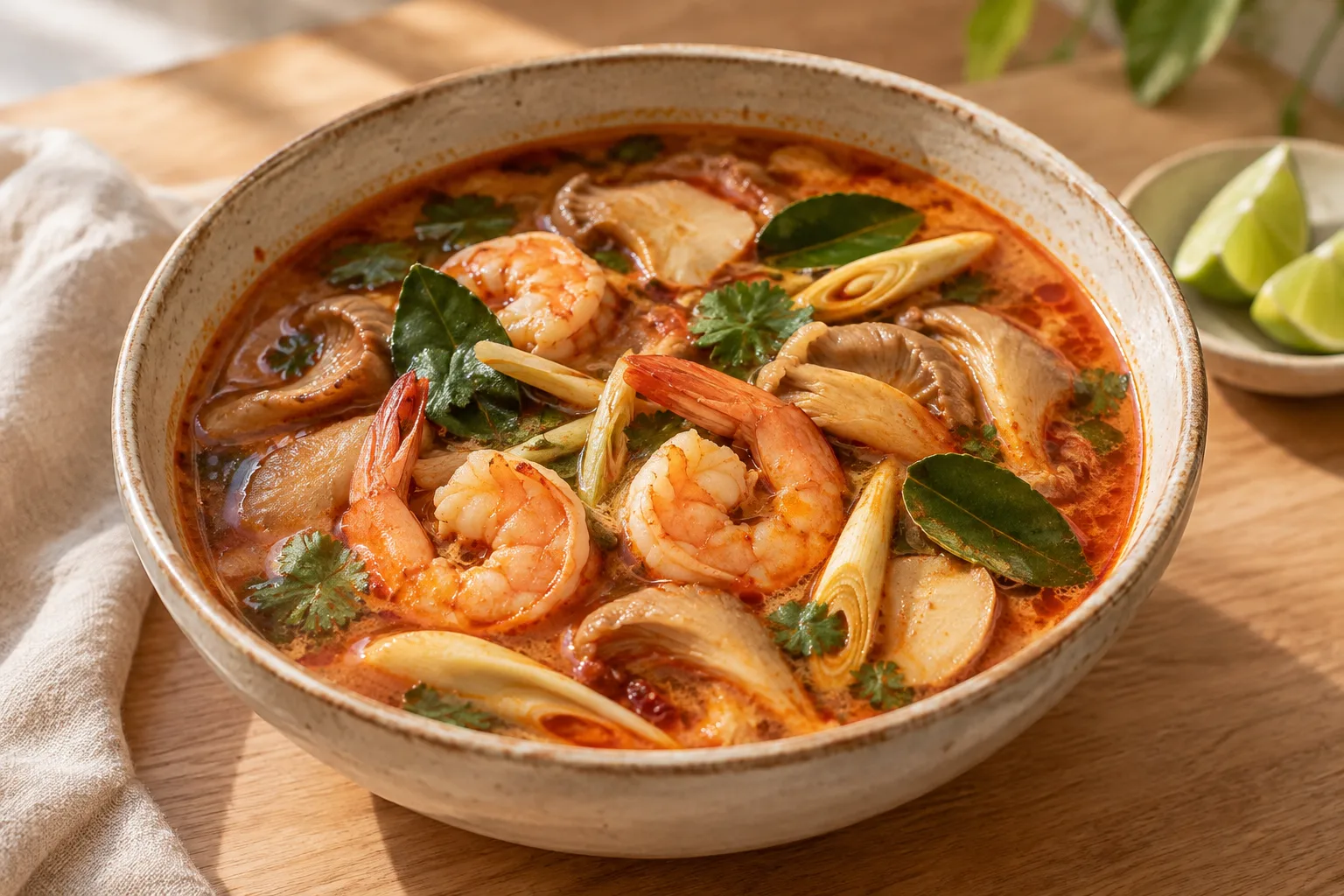
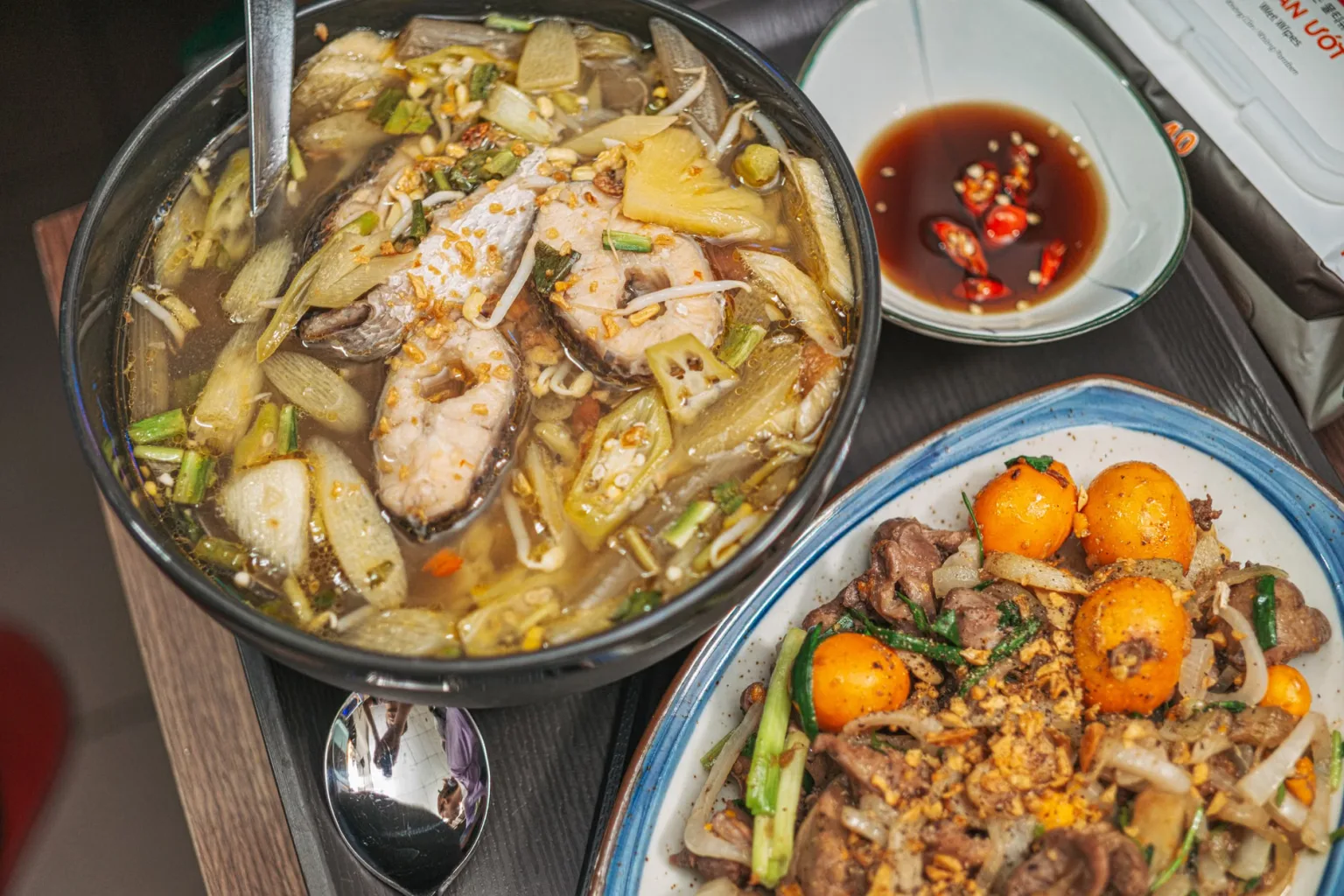
Fish sauce is a liquid seasoning made by fermenting fish or krill with salt. The name covers different products, so bottles may not all have the same profile. It is used to season food during or after cooking and can also form the base of a dipping sauce. In a kitchen, it contributes saltiness and a pronounced umami taste; it is not fish stock and does not replace fish as an ingredient. When added to soup, it works as a concentrated seasoning: add it gradually and taste to balance the dish. Because it is derived from fish, it is not appropriate for someone who needs to avoid fish.
When to use it
Use it when soup, broth, curry or a stir-fry needs saltiness and added depth. It can also go into dressings, marinades and dipping sauces. In soup, add it gradually and taste before adding more salt, since the sauce itself is salty. Its intensity can differ from one product to another, so adjust to the bottle and the other ingredients. Its use is not limited to soup: fish sauce is also used with noodles, salads and stir-fried dishes.
How to use it
To season soup, stir a small amount into the pot and taste the broth before deciding whether to add more. Consider the salt already present in the other ingredients, and avoid correcting the flavour with a large pour all at once. You can add fish sauce during cooking or use it at the end to adjust seasoning. For a dressing or dipping sauce, combine it with ingredients such as lime, sugar, chilli or garlic, then taste and balance. It is also used in stir-fries, curries, salads and noodle dishes. Fish sauce is a seasoning, not a liquid base intended to replace all the stock.
Flavour and texture
Fish sauce is a thin, flowing liquid with a salty taste and pronounced, distinctive umami. Its aroma may seem pungent when tasted on its own, while in a cooked dish it blends with the other flavours. Strength and profile vary between products, so start with a little. Its main purpose is to season and add depth, not to thicken soup or give it a creamy texture.
How to choose it
Compare labels to confirm that the product is fish sauce and to check the ingredients in that particular bottle. Fish sauces include different varieties and raw materials, so do not assume every product has the same profile. Choose a bottle whose label makes its contents clear, and remember that the seasoning is fish-derived. If you need to avoid fish, do not treat it as a suitable choice.
Storage
Follow the storage directions printed on the product label and consult the manufacturer's instructions for the bottle after opening. The available evidence does not establish a universal shelf life or storage temperature for every brand and variety. Keep the container closed as directed, and do not replace product-specific instructions with general rules for fermented foods.
Substitutions
Soy sauce can replace fish sauce in some recipes if a different flavour is acceptable; it does not reproduce fish sauce exactly. Salt can adjust a soup's saltiness but will not provide the same umami. Reduce or omit other salty ingredients when substituting, then taste before making a final adjustment.
Common mistakes
A common mistake is adding a large amount without tasting: it can dominate the dish or make soup too salty. Another is treating it like stock, although it is a concentrated seasoning. Add it gradually, stir and taste; make the final adjustment with the saltiness of the other ingredients in mind.
Safety and allergens
Fish sauce is made from fish or krill; avoid it if you must exclude fish, and check the product label. Follow the bottle's storage instructions, since no specific official storage advice for every variety is established here.
Culinary uses
- Seasoning for soups, broths, curries and stir-fries
- Umami-rich ingredient in dressings, dipping sauces and marinades
Recommended techniques
- Stir into a dish while it cooks
- Add to a finished dish or blend into a sauce or dressing
Pairs well with
- Lime juice, sugar, chilli and garlic
- Rice noodles, vegetables, salads and curry-style dishes
Frequently asked questions
When should I add fish sauce to soup?
You can add it during cooking or at the end to adjust the seasoning. Add it gradually and taste before adding more.
Does fish sauce taste only of fish?
It brings saltiness and pronounced umami. Its flavour blends with other ingredients during cooking, and its profile can vary by product.
Can I substitute soy sauce for fish sauce?
In some recipes, yes, if you accept a different flavour. Soy sauce does not reproduce the exact profile of fish sauce.
Sources and review
Automatically researched, cross-checked and validated content. Sources consulted:
- The Essential Glossary of Cooking Terms for the Culinary Arts - Escoffier escoffier.edu
- Los alimentos como medicina: la dieta antiinflamatoria | Children's Hospital of Philadelphia chop.edu
- Pescado a la Veracruzana 1952 (Veracruz-style Fish) - lacocina.utsa.edu
- educational content to support healthful lifestyle practices sjsu.edu
- Kimchi casero: guía científica para una fermentación segura | CAES Field Report fieldreport.caes.uga.edu
- Qué es eso llamado epistemología, para qué sirve, por qué es inexcusable para la universidad y para la paz | Reencuentro. Análisis de problemas universitarios doi.org
- Healthy Eating Plan for Weight Management med.uc.edu
- Safe & Healthy Food Pantries Project - Health & Well-Being health.extension.wisc.edu
- Salsa asiática de pescado: qué es, cómo utilizarla y una receta de aliño de ensaladas de la que no te separarás nunca directoalpaladar.com
- Salsa de pescado - Wikipedia, la enciclopedia libre es.wikipedia.org
- De Compras para la salud: Comidas para una persona ask.ifas.ufl.edu
- La salsa de pescado: descubre su intenso sabor umami freshcado.es
- Sopa de pescado | Oficina de Turismo de Marsella marseille-tourisme.com
- ¿Caldo de pescado o fumet? - by Gastronomía y Cía A Bocados margavilan.substack.com