- Category
- Pulses
- State
- Other
- Usual unit
- g
What it is
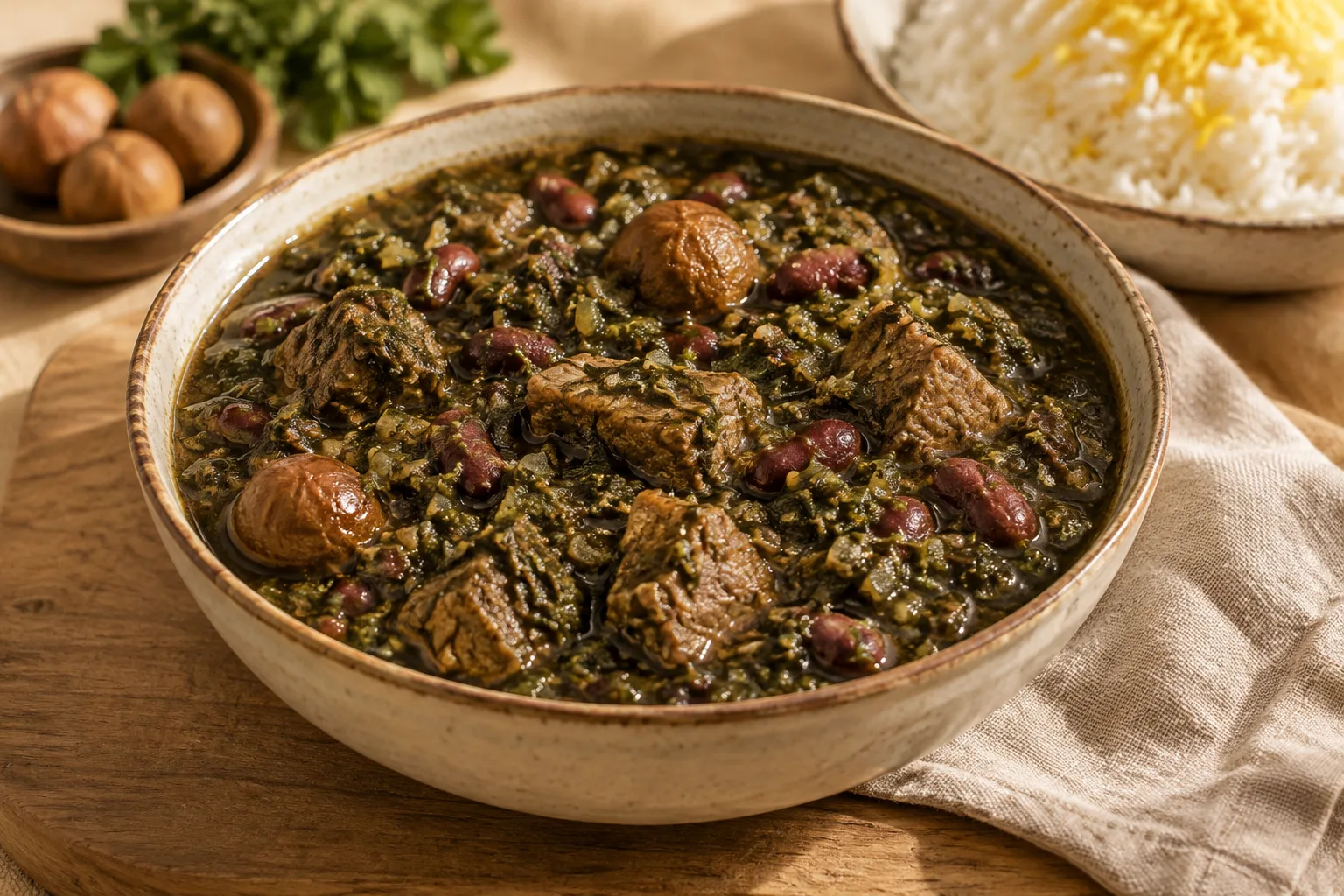
Soaked red kidney beans are dried red kidney beans that have been covered with water so the seeds can hydrate. Soaking changes their state and prepares them for a recipe, but it is not cooking and does not by itself remove the risk associated with raw or undercooked kidney beans. Beans belong to the Fabaceae family, and red varieties are used in stews and other substantial dishes. To prepare this ingredient, discard the soaking water and boil the beans in fresh water before finishing the recipe. Do not taste them raw or add them straight to a slow cooker without boiling them first.
When to use it
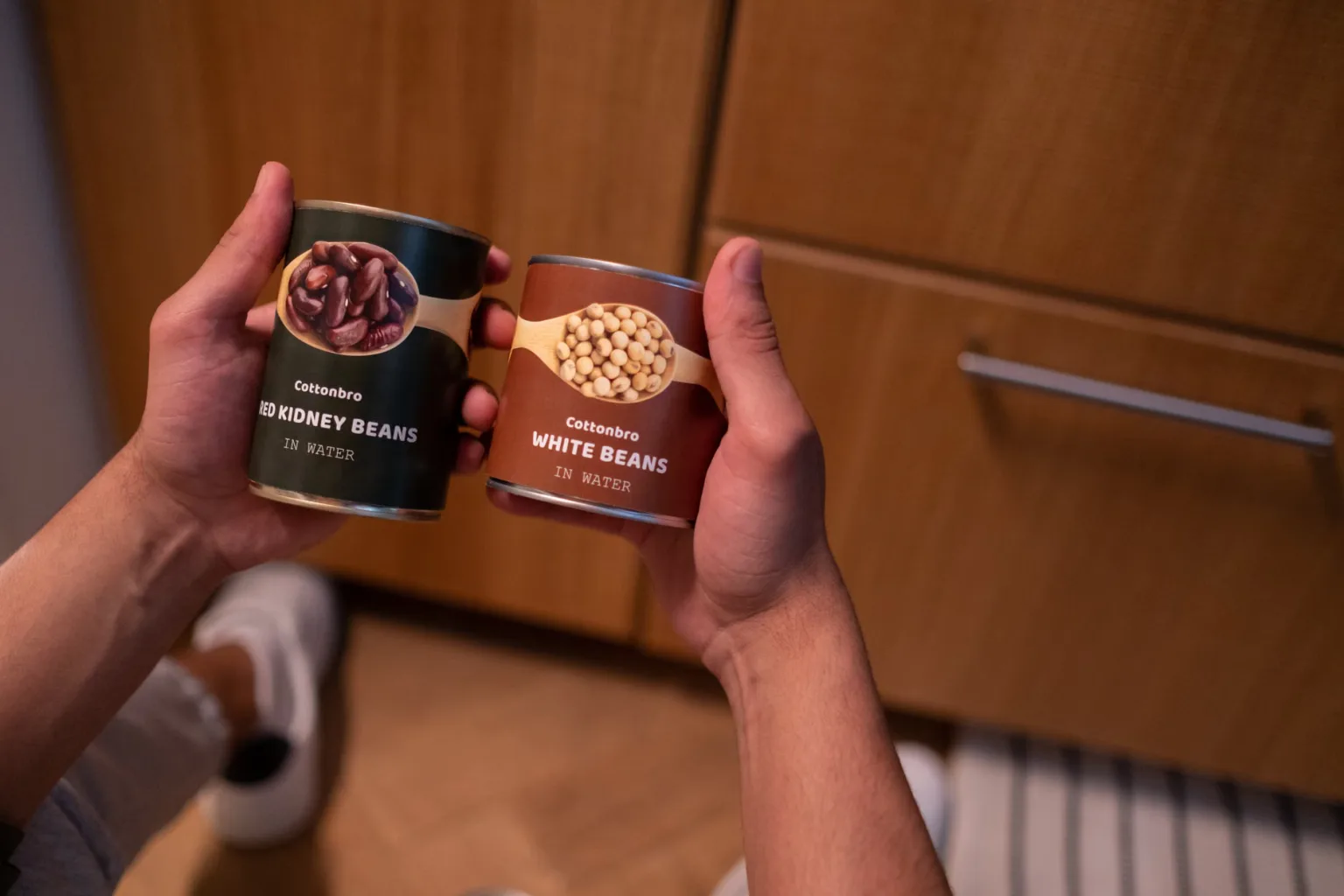
Use soaked beans when you plan to make a stew, soup or chili with dried beans, or when you want to cook them first and add them to a salad. Soaking is a preparation step, not a cooking method: discard the soaking water and boil the beans in fresh water before adding them to a recipe. If a dish needs beans that are ready to eat without further cooking, choose canned kidney beans, which are already cooked. Do not treat soaked beans as though they were cooked beans.
How to use it
Drain the soaked beans and discard the soaking water; do not reuse it for cooking. Cover the beans with fresh water and bring them to a vigorous boil before using them in a recipe. A food-safety recommendation for dried kidney beans is to boil them briskly for 30 minutes after soaking. Do not rely on a slow cooker for this step, since it may not reach enough heat to destroy the harmful lectin. After boiling, add the beans to soup or stew, or cool them and toss them into a salad with celery, vinegar, oil and pepper. If you need beans that are already cooked, canned beans are a practical alternative.
Flavour and texture
Red kidney beans add color and substance to dishes, and they may tint their cooking liquid. Sources describe red beans as assertive and suitable for stews; the final texture varies with the bean variety and cooking. Soaking hydrates the seeds, but does not soften them to an edible, fully cooked texture. Do not mistake the texture of a soaked bean for that of a cooked one.
How to choose it
Buy dried red kidney beans if you want to control the soaking and cooking from the start. Check the package to confirm that they are red kidney beans, and distinguish dried beans from cooked or canned ones: beans soaked at home are still raw until thoroughly boiled. If you need an option that can be added without a preliminary boil, choose canned kidney beans, which are already precooked. The available evidence does not establish visual quality indicators or a particular buying season.
Storage
Dried beans and beans that have been soaked are different states; neither should be mistaken for a cooked product. The available evidence does not specify how long uncooked soaked beans can be stored or give storage instructions for them. As a precaution, soak them as part of an immediate preparation and do not leave them at room temperature for an extended period. Once boiled, leftover kidney beans may be stored covered in the refrigerator for up to four days, according to the cited source.
Substitutions
To avoid soaking and boiling dried beans, use canned kidney beans instead: they are already cooked and can be added without another boil. If the recipe does not depend on the beans being red kidney beans, another cooked bean variety may work in salads or stews, though the result will differ. Do not treat soaked dried beans and cooked beans as interchangeable in preparation: soaked beans still need safe cooking.
Common mistakes
The key mistake is assuming that soaking red kidney beans makes them safe to eat. Do not eat them raw or undercooked, taste one to check doneness, or put them straight into a slow cooker without boiling them first. Discard the soaking water and use fresh water for boiling. Also, do not confuse soaked beans with canned beans, which are already cooked.
Safety and allergens
Raw or undercooked kidney beans can contain a harmful lectin. After soaking, discard the water and boil the beans briskly in fresh water for 30 minutes before continuing to cook them; do not rely on a slow cooker as the sole cooking method. Canned kidney beans are already cooked. If you are unsure whether dried beans have been thoroughly cooked, do not taste them.
Culinary uses
- Base for soups and stews
- Ingredient in bean salads
- Filling component in chili-style dishes
Recommended techniques
- Soak, discard the soaking water, then boil briskly before using
- Add fully cooked beans to soups or stews
- Toss cooked beans into a dressed salad
Pairs well with
- Celery, vinegar, oil and black pepper
- Tomatoes and chili
- Rice
Frequently asked questions
Are soaked red kidney beans already cooked?
No. Soaking only hydrates them. Discard the soaking water and boil the beans in fresh water before eating them or adding them to a recipe.
Can I put them straight into a slow cooker?
Not as the only cooking method. Boil them briskly after soaking first, because a slow cooker may not reach the heat needed to destroy the harmful lectin.
Can I use canned kidney beans instead?
Yes. Canned kidney beans are already cooked and can be used without an additional boil.
Sources and review
Automatically researched, cross-checked and validated content. Sources consulted:
- Client Challenge doi.org
- The Essential Glossary of Cooking Terms for the Culinary Arts - Escoffier escoffier.edu
- Las alubias o habichuelas: origen, variedades, beneficios y recetas para cocinar la legumbre más extendida del mundo directoalpaladar.com
- ¿Cuántos tipos de alubias hay? | Fine Dining Lovers finedininglovers.es
- Spanish Food Report Card - USC Chan chan.usc.edu
- Exploring Basque Gastronomy Identity through Recipes ... ebiltegia.mondragon.edu
- NUTRITION IN ACTION Beans & Peas • Frijoles & ... stonybrookmedicine.edu
- Diferencia entre alubia blanca y alubia roja - Periòdic del Camp de Túria infoturia.com
- Alubias: tipos y beneficios - Legumbres Pedro legumbrespedro.com
- - YouTube youtube.com
- Food & Fun Afterschool - Super Snacks Parent Handout hsph.harvard.edu
- Easy Skillet Chili healthyfamilyct.cahnr.uconn.edu
- Three Bean Salad – Community Nutrition Education web.uri.edu
- Kidney Beans and Slow Cookers | Live Well. Eat Well. | Illinois Extension | Illinois extension.illinois.edu
- Role of Producer Preferences in Red Bean Markets in the ... ageconsearch.umn.edu