- Category
- Oils and fats
- State
- Liquid
- Usual unit
- tablespoon
What it is
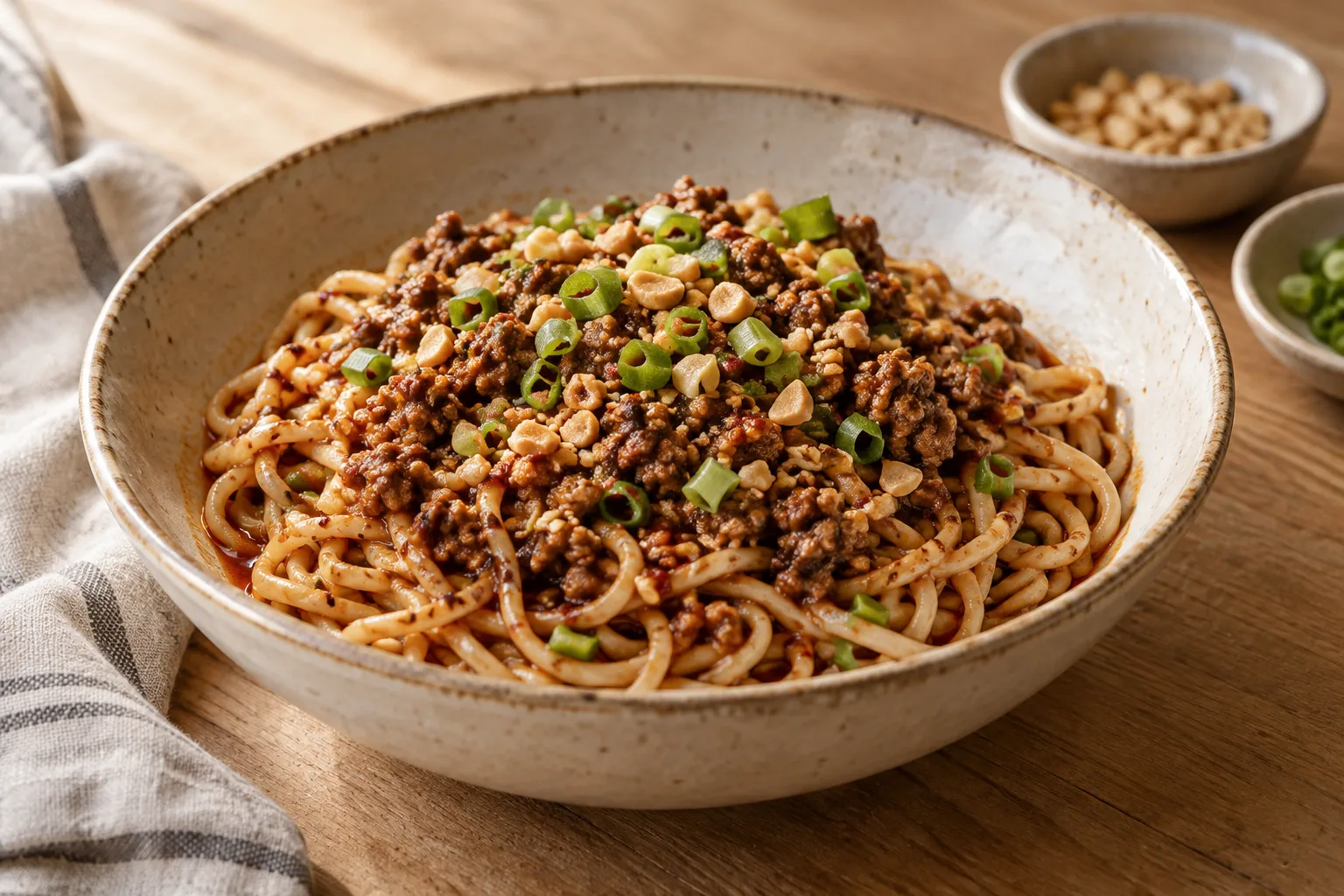
Chilli oil is oil seasoned with chilli and used to add heat and flavor to other foods. A homemade version can be made by infusing chilli and spices in oil, or by pouring hot oil over chilli powder. Some preparations include aromatic spices, seeds or other additions, and certain commercial products contain visible solids at the bottom of the jar. The name therefore does not describe one fixed recipe or a consistent heat level: some oils are relatively clear and used mainly as a seasoning, while chunkier versions also contribute texture. Some Lao Gan Ma-style products, for example, may include ingredients such as soy or peanuts, so checking the label matters when avoiding allergens. Use it in modest amounts to season or finish a dish, or as an ingredient in sauces and dressings. Do not assume that every product called chilli oil has the same formula: the chilli, proportions and additional ingredients depend on the product or recipe.
When to use it
Use chilli oil when you want to add heat and aroma to a finished dish or build a chilli note into a sauce or dressing. It is used with noodles, dumplings, wontons, soups, and some meat or chicken dishes. For a gentler finish, you can use mostly the oil from the top; for more intensity and texture, some varieties let you include the chilli pieces at the bottom as well. Because recipes and heat levels vary, begin with a little, taste, and adjust. It is not limited to one style of cuisine: use it as a condiment when its flavor suits the dish, while remembering that too much can overwhelm more delicate ingredients.
How to use it
Add it gradually and taste before serving; heat varies from one product or recipe to another. To season noodles, soup or a meat dish, drizzle a little over the finished portion. For dumplings or wontons, mix it into the other components of a dipping sauce, or serve it on the side so diners can adjust the heat. In dressings and sauces, stir it in a little at a time to distribute the flavor. Some varieties have chilli and other solids settled at the bottom: use mainly the surface oil for a milder result, or stir in the solids for extra pieces and a more pronounced effect. In a homemade preparation, hot oil may be poured over chilli powder; other recipes infuse the oil with spices first and strain them out. Do not assume that the method or storage advice for one recipe applies to every product: follow the label and the specific recipe instructions.
Flavour and texture
Heat is the most obvious feature, but its intensity can vary considerably. The oil may also carry aromas from added spices. Versions with chilli pieces have a more noticeable texture, whereas others are smoother and more fluid. Additional ingredients mean that flavor is not identical across varieties.
How to choose it
Check the ingredient list and allergen information, since some varieties contain ingredients beyond oil and chilli, including soy or peanuts. Look for whether the product contains chilli solids and whether the label describes its heat or use. Appearance and composition can differ, so do not choose by the name alone.
Storage
Follow the package directions after opening: commercial products and homemade versions do not necessarily share the same formulation or storage advice. Keep the container closed and use clean utensils when serving. Do not apply storage directions from a different homemade recipe to a purchased product; follow any specific instructions on its label.
Substitutions
For a simple substitute, combine a neutral oil with chilli powder or chilli flakes, adjusting the heat gradually. A hot sauce or chilli paste can also add pungency, but may contribute moisture, salt or other flavors that were not present in the oil. The result will not be identical, so taste and rebalance the dish before serving.
Common mistakes
Avoid adding a large amount before tasting: some versions are notably hot and can mask other flavors. Another mistake is assuming every chilli oil is clear or has the same ingredients. Stir in or scoop up settled solids only if you want them, and check the label for unexpected ingredients or allergens.
Safety and allergens
Ingredients and instructions can differ by product. Read the label, especially its allergen information, and start with a small amount if you do not know the heat level. Follow the manufacturer's storage directions; there is no single storage recommendation that applies to every version.
Culinary uses
- condimento picante para servir o terminar platos
- ingrediente para salsas, aliños y preparaciones con aceite
Recommended techniques
- infusionar aceite con chile y especias
- verter aceite caliente sobre chile en polvo para extraer aroma
- colar las especias después de infusionarlas, si se desea un aceite sin trozos
Pairs well with
- fideos y noodles
- dumplings y wontons
- sopas
- carnes y pollo
Frequently asked questions
Does chilli oil always contain pieces of chilli?
No. Some varieties are mostly oil, while others include chilli or other solids. Check the product's appearance and label.
How can I control the heat?
Start with a small amount and taste before adding more. With some varieties, using only the oil from the top is milder than including the settled solids.
Are all varieties suitable for people avoiding soy or peanuts?
That cannot be assumed. Some varieties may contain soy or peanuts, so check the ingredient list and allergen information on the package.
Sources and review
Automatically researched, cross-checked and validated content. Sources consulted:
- ¿Por qué la muerte es origen de miedos y tabúes? doi.org
- Agencia Española de Seguridad Alimentaria y Nutrición aesan.gob.es
- Food Labeling Guide marketready.uky.edu
- El chile, ingrediente esencial en la cocina de México - Formacion en Gastronomia formacionengastronomia.com
- How to Preserve Chiles | USU extension.usu.edu
- UCLA Teaching Kitchen | Recreation - FITWELL fitwell.recreation.ucla.edu
- Processing Roasted Chile Peppers – Food Smart Colorado foodsmartcolorado.colostate.edu
- Aceite de chili estilo Chino casero – Kwan Homsai kwanhomsai.com
- Panther Bites: Recipes for Gathering Season - Florida Tech News+ news.fit.edu
- Preserving Red Chile - Bernalillo County Extension Office bernalilloextension.nmsu.edu
- Processing Chile Peppers ucanr.edu
- Home - Culinary Arts - LibGuides at Columbus Technical College library.columbustech.edu
- Aceite Picante: ?️ Usos Culinarios y Recetas con pique aceiteralamaria.com
- Laoganma o Lao Gan Ma, el aceite de chile más sabroso que se hace en China (posiblemente) | Gastronomía & Cía gastronomiaycia.com