- Category
- Grains, flour and pasta
- State
- Powdered
- Usual unit
- cup
What it is
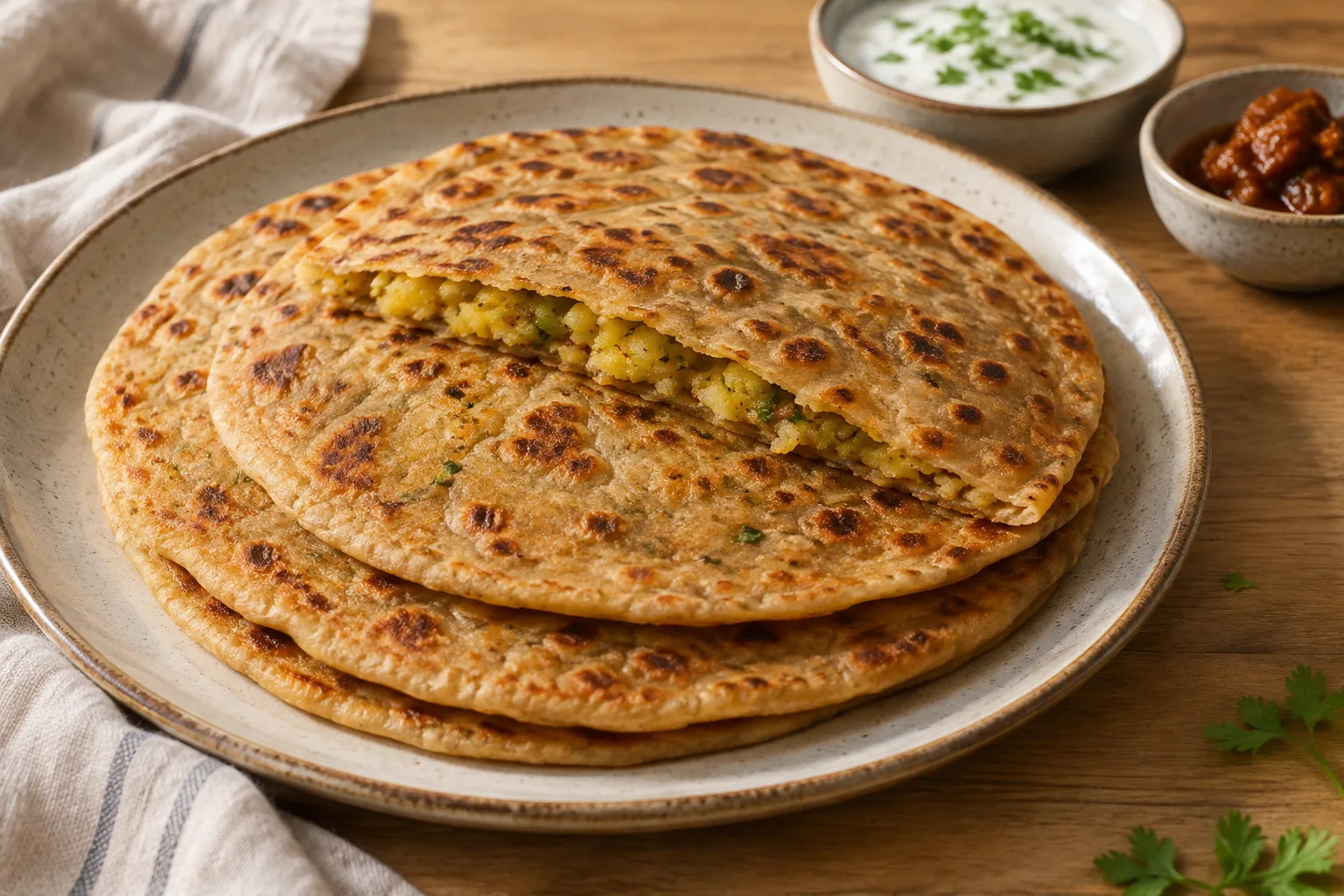
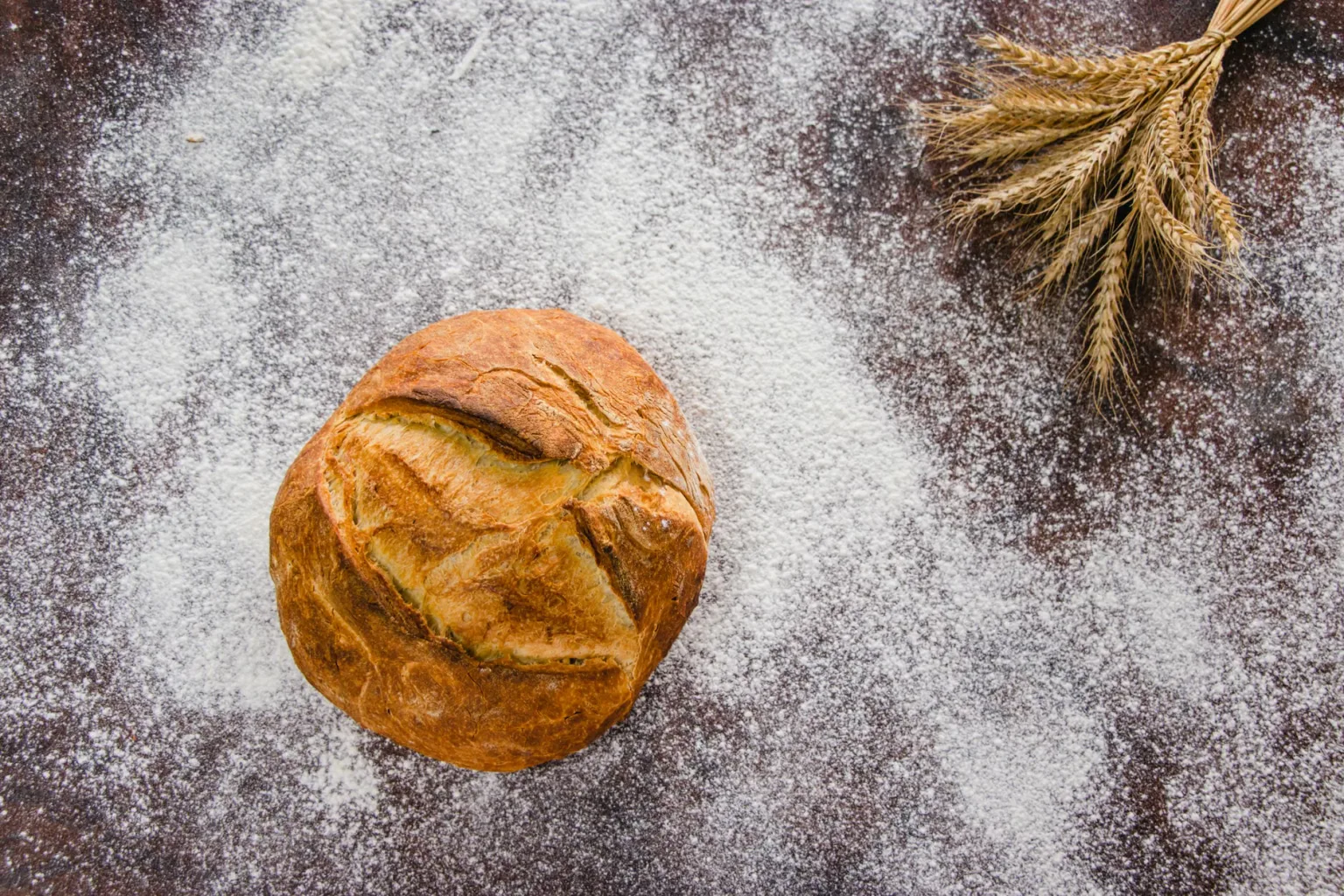
Atta is a wheat flour used in several flatbreads, including roti, chapati, naan, paratha and puri. The ingredient named here is a whole-wheat version. Whole-wheat flour is made by milling the entire grain, including the endosperm, bran and germ, so it is not the same as white flour with bran added separately. Wheat flour can form elastic, structured dough because of its gluten. Grind size and the exact characteristics of a product can vary by brand, so check the label and follow the package or recipe directions rather than assuming every atta flour behaves identically.
When to use it
Choose whole-wheat atta when making flatbread dough, especially roti or chapati, or when a recipe calls for whole-wheat flour that can be rolled out. It can also be used in other baking, but the result will not be identical to one made with refined white flour: the whole grain gives a more pronounced character and the dough may feel denser. When adapting a recipe written for refined flour, make a small test and judge the dough's consistency rather than assuming the two flours work in exactly the same way.
How to use it
Measure the flour as directed by your recipe and mix it with the specified liquid to make a dough. Knead until it holds together well enough to portion and roll; wheat flour can contribute elasticity, which is useful when rolling thin rounds. For roti or chapati, divide the dough, shape portions and roll them before cooking according to a reliable recipe. If replacing refined flour, test a small batch and adjust hydration only in response to the dough's texture and the recipe directions; the available evidence does not establish one universal ratio. Do not taste uncooked flour or dough. Cook or bake it according to the recipe or package directions.
Flavour and texture
Whole-wheat flour generally has a more pronounced wheat flavor and a heartier texture than refined flour. Wheat gluten can contribute elasticity to dough and help it roll out, while the whole grain can make the texture feel less fine. The final result depends on the grind, recipe and preparation, so not every atta flour produces exactly the same texture.
How to choose it
Read the product name and ingredient list: look for whole-wheat atta or a clear statement that the flour is whole grain. A dark color alone does not prove that flour is whole wheat. Check for package directions and, if described, whether the grind is fine or coarser, since texture can vary among products. Choose flour that suits the recipe, and do not assume every product labelled atta has an identical composition.
Storage
The available evidence does not establish a universal storage method or shelf life for this flour. Follow the manufacturer's directions on the package and use the product within the period stated there. If the label gives no clear guidance, ask the manufacturer rather than assuming a particular condition guarantees storage life. Keep the package identified so it is not confused with another flour.
Substitutions
General-purpose whole-wheat flour is the closest substitute among the options described, although its grind and behavior may differ from atta. You can also combine whole-wheat and refined wheat flour to change the proportion of whole grain gradually, but the result will differ and no universal equivalence is established for every recipe. Adjust the dough according to the recipe and its consistency, not an assumed fixed amount.
Common mistakes
Do not assume whole-wheat atta and white flour can be swapped cup for cup in every recipe. Do not infer that a dark flour is whole wheat without checking the label. Another important mistake is tasting raw dough: uncooked flour can contain germs that cause illness. Cook or bake dough before eating, and clean surfaces and utensils that have contacted raw flour.
Safety and allergens
Flour is usually raw and may contain harmful germs. Do not eat or taste uncooked flour, dough or batter; cook or bake it according to the recipe or package directions, and wash hands and clean utensils and surfaces after handling it. This flour contains wheat and gluten, so it is unsuitable for people who need to avoid them.
Culinary uses
- base para masas de panes planos
- harina para panadería y repostería
Recommended techniques
- amasar con líquido para formar una masa
- estirar la masa en piezas finas antes de cocinarla
Pairs well with
- agua para formar masas sencillas
- especias y preparaciones saladas en panes planos
Frequently asked questions
What is atta flour mainly used for?
It is used for flatbreads such as roti, chapati, naan, paratha and puri. Wheat flour can make an elastic dough that is useful for rolling.
Is whole-wheat atta the same as white flour?
No. Whole-wheat flour retains the entire grain, while white flour is made from a more refined portion of wheat. Check the label, since the name alone may not describe every product detail.
Can I taste the dough raw?
No. Uncooked flour may contain harmful germs. Cook or bake the dough according to the directions before eating it.
Estimated nutrition
- Fat
- 1.67 g
- Saturates
- 0 g
- Carbohydrate
- 73.3 g
- Sugars
- 0 g
- Fibre
- 6.7 g
- Protein
- 13.3 g
- Salt
- 0 g
Sources and review
Automatically researched, cross-checked and validated content. Sources consulted:
- Client Challenge doi.org
- The Essential Glossary of Cooking Terms for the Culinary Arts - Escoffier escoffier.edu
- ¿Qué es la harina integral de trigo? - Monti pmonti.com
- Tipos de harinas - Monpizza monpizza.es
- Are sprouted grains more nutritious than regular whole grains? - Harvard Health health.harvard.edu
- Harina Integral: Guía de Tipos y Cómo Usarla | Molino Yanine molinoyanine.cl
- Harina Atta - Wikipedia, la enciclopedia libre es.wikipedia.org
- Raw Flour and Dough | Food Safety | CDC go.unl.edu
- INFORMATION TO USERS dr.lib.iastate.edu
- Editor: A. Ashri Coordinator: C. Pineda - Wsu s3.wp.wsu.edu
- Annual Report 2009 - Mumbai kem.edu
- - YouTube youtube.com
- Proveedor Verificado Harina Atta Opciones Orgánicas y Sin Gluten | Alibaba. com spanish.alibaba.com