- Category
- Drinks
- State
- Liquid
- Usual unit
- tablespoon
What it is
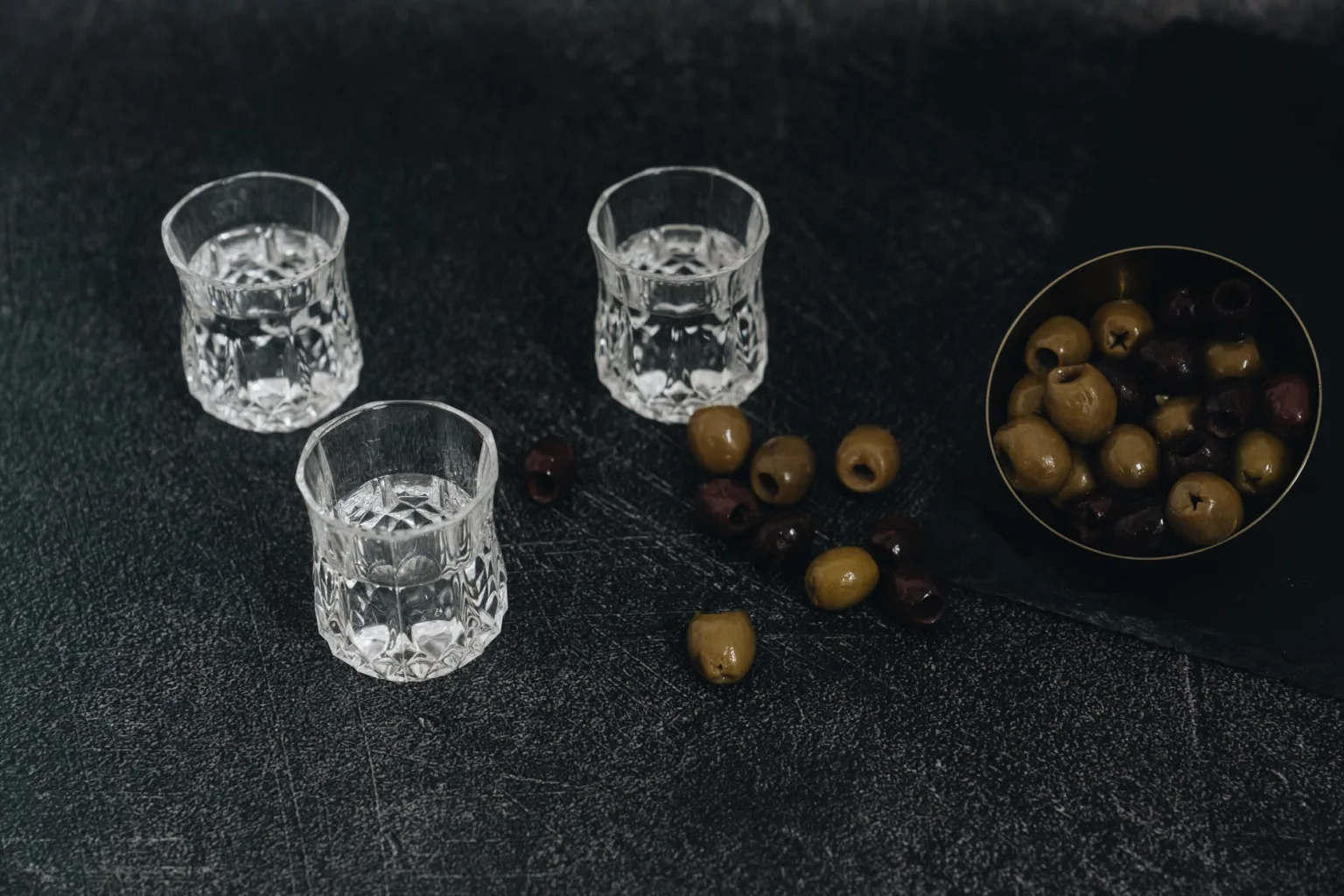
“Alcohol (rum or vodka)” refers here to a liquid distilled spirit, not pure alcohol or an ingredient that can always be exchanged without changing a recipe. Rum is made from fermented sugar-cane juice or molasses, while vodka is commonly made from fermented grains or potatoes. Both are distilled drinks, but their raw materials and profiles differ; the available evidence describes vodka as generally neutral. They are grouped in this profile because the ingredient name presents them as options, not because they necessarily taste or behave the same in every preparation. Strength and product characteristics vary and are not specified here.
When to use it
Use it when a recipe specifically calls for rum or vodka, or when a cocktail mixture allows one of these spirits as its base. Culinary references also describe using aguardiente sparingly, although they do not provide detailed instructions for a particular recipe. Choose according to the preparation: vodka is described as generally neutral, but the evidence available here does not establish a specific sensory profile for rum. If a recipe names one spirit, do not assume that switching to the other will preserve the same result.
How to use it
First check whether the recipe calls for rum, vodka, or explicitly lets you choose between them. Measure the amount specified rather than pouring by eye; this profile retains the tablespoon as its default unit and does not suggest a universal quantity. In a mixed drink, add the spirit as part of the intended alcoholic base and follow the recipe’s proportions. In cooking, use it only when the preparation calls for it and in the stated amount: the evidence supports culinary use of aguardiente sparingly, but gives no cooking method, timing, or specific instructions for rum or vodka. Do not assume that cooking removes all the alcohol.
Flavour and texture
The consulted source characterizes vodka as generally neutral in profile; even so, individual products can vary, so not every vodka should be assumed to taste exactly alike. The evidence confirms rum’s raw material but does not describe its flavor, aroma, or texture in enough detail. It would therefore be inaccurate to promise that a particular rum will be sweet, spiced, or intense. Both are presented as liquid distilled spirits, and their effect in a preparation depends on the product and the recipe.
How to choose it
Read the label to confirm whether you are buying rum or vodka, and check product information such as its stated strength and name rather than assuming all bottles are interchangeable. The evidence provided does not support recommendations for brands, ages, particular styles, or a suitable strength for a specific recipe. If the preparation specifies a spirit, follow that direction; if it offers both options, choose for the intended use and allow for a possible change in the result.
Storage
The supplied evidence does not establish storage conditions or a shelf life for rum or vodka, so this profile cannot recommend a specific method or duration. Keep the bottle closed and follow its label and the manufacturer’s instructions. Avoid transferring the liquid to an unidentified container; keep the drink’s identity and stated strength clear. Store alcoholic drinks out of reach of children and anyone for whom alcohol is not appropriate.
Substitutions
Rum and vodka can be considered alternatives only when the recipe allows a choice between them or can accommodate a change. Substitution does not guarantee the same profile: the source describes vodka as generally neutral but provides no comparable characterization of rum. When a recipe names one spirit, using that spirit is the more faithful choice; the available evidence does not support a universal conversion of quantities.
Common mistakes
Treating rum and vodka as identical is a mistake: they are different distilled spirits, and the available information characterizes only vodka as generally neutral. Do not substitute without checking the recipe, or add an arbitrary amount when it specifies a measure. Do not assume that cooking removes all alcohol: the supplied evidence neither supports that conclusion nor provides a method to guarantee it.
Safety and allergens
This is an alcoholic drink. Alcohol can affect coordination and the ability to drive or operate machinery; do not drive or operate machinery after drinking. If alcohol is being avoided, do not use it as an ingredient without confirming that the finished preparation is suitable. The available evidence provides no specific official warning about its culinary use.
Culinary uses
- Base alcohólica para cócteles
- Ingrediente medido en algunas preparaciones culinarias
Recommended techniques
- Dosificar la cantidad indicada por la receta
- Incorporar como base de una mezcla o cóctel
Pairs well with
- Mezclas de cóctel que admitan ron
- Mezclas de cóctel que admitan vodka
Frequently asked questions
Are rum and vodka the same?
No. They are different distilled spirits: rum is made from fermented sugar-cane juice or molasses, while vodka is commonly made from fermented grains or potatoes. Vodka is described as generally neutral.
Can I replace rum with vodka?
Only if the recipe allows either spirit or can accommodate the change. The result is not guaranteed to be the same, and the available evidence does not establish a universal quantity conversion.
Can this ingredient be used in cooking?
Culinary references describe using aguardiente sparingly, but the supplied evidence gives no specific instructions for cooking with rum or vodka. Follow the recipe and do not assume that cooking removes all the alcohol.
Sources and review
Automatically researched, cross-checked and validated content. Sources consulted:
- Client Challenge doi.org
- Table of Contents barnard.edu
- The Essential Glossary of Cooking Terms for the Culinary Arts - Escoffier escoffier.edu
- Blood Alcohol Calculator | Alcohol and Other Drugs aod.wellbeing.wfu.edu
- Alcohol consumption and your health: What the science says med.stanford.edu
- I Shop Liquor - Online Lesson articulate.strayer.edu
- An Introduction to William Pokhlebkin and his Contributions ... slaviccenters.duke.edu
- jones-biochemical-and-physiological-research-on-alcohol. ... bcahs.indiana.edu
- educause 2022 exhibitor booth services menu events.educause.edu
- Vodka - Wikipedia, la enciclopedia libre es.wikipedia.org
- Clasificación de Bebidas Alcohólicas - Delivinos Urban Gourmet delivinosweb.com
- 🍷 Tipos de alcohol: conoce todas las bebidas alcohólicas pandamadrid.com