- Category
- Nuts and seeds
- State
- Powdered
- Usual unit
- g
What it is
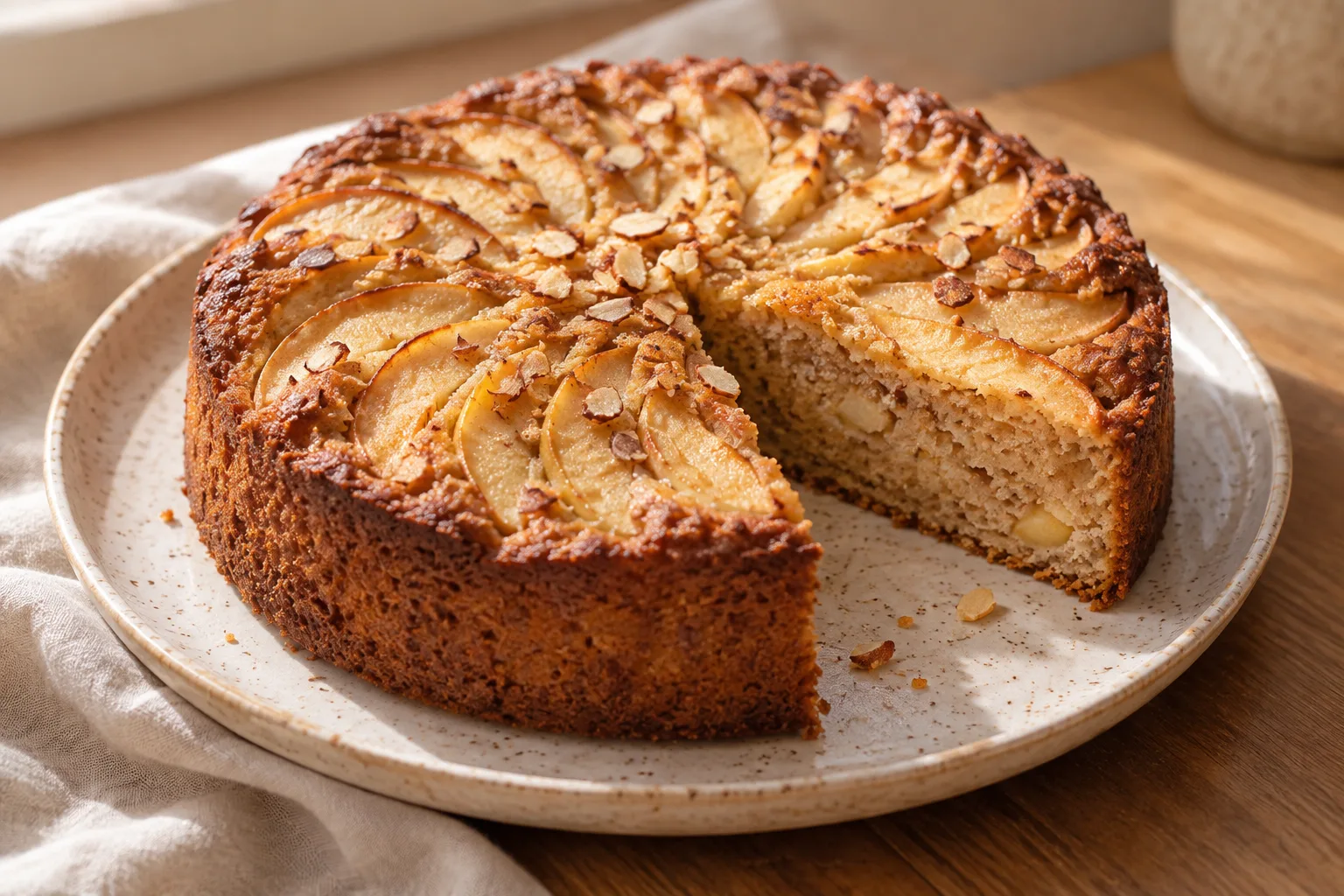
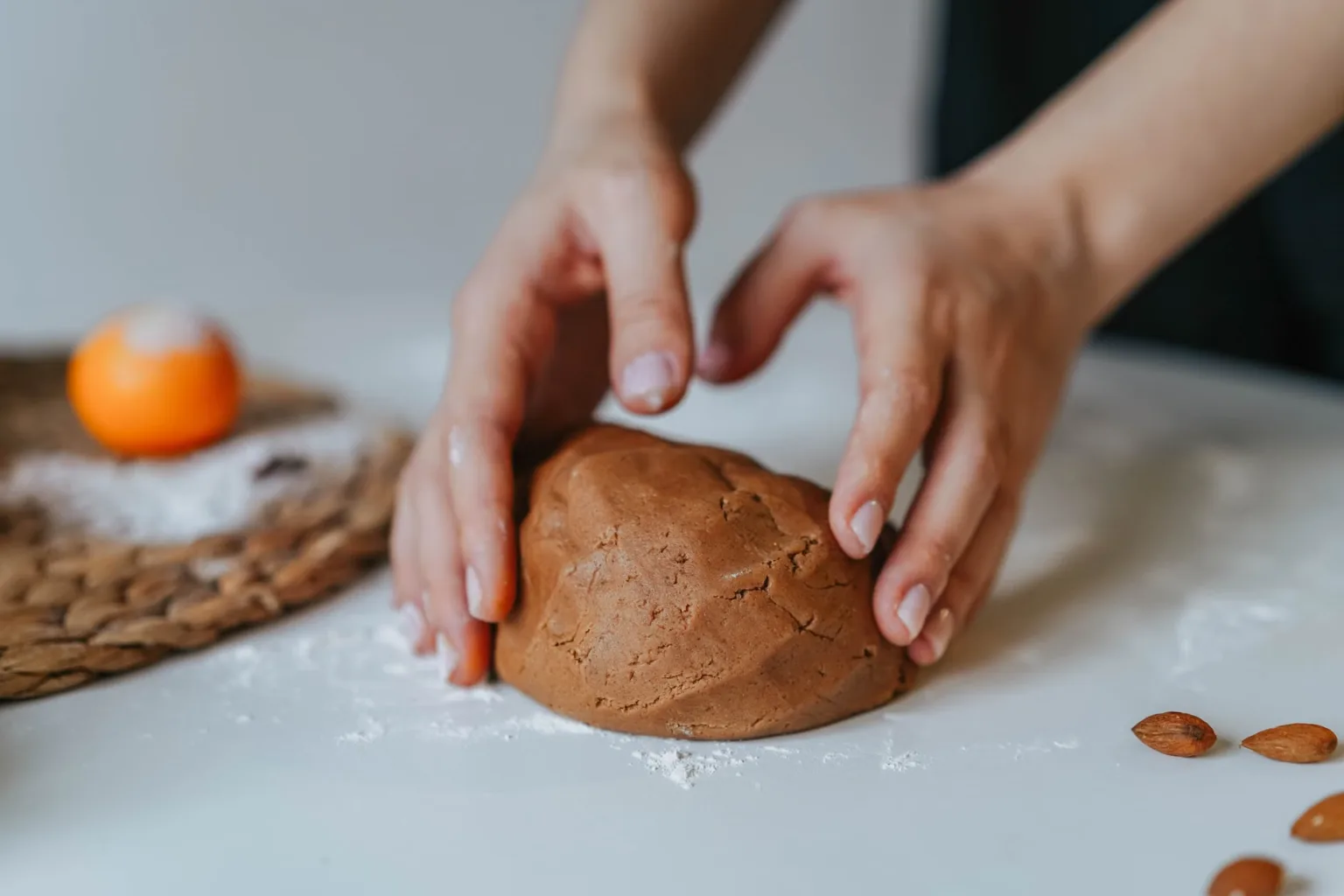
Almond flour is made by grinding almonds into a powder, and the fineness can vary. It may be made from blanched almonds or whole almonds, so color and texture are not always the same. It is used especially in baking and confectionery: it can enrich batters, form part of sweets, and be used in cake fillings. It does not behave exactly like wheat flour; the grind may be coarser, and recipes using it may need their own proportions and adjustments. It is worth distinguishing finely powdered almond flour from coarser ground almonds when a recipe calls for a particularly smooth texture.
When to use it
Use it when you want a clear almond flavor and a moister crumb in cakes or other baked preparations. It also suits sweets, cookies, cake fillings, and confectionery mixtures. Choose a fine grind for a more even texture, or a coarser one when you want discernible pieces. Do not automatically replace wheat flour with the same amount: the result depends on the recipe and on the role each ingredient plays.
How to use it
Add it to a mixture in the proportion specified by the recipe, mixing until it is evenly distributed. In baking it is used in cakes, cookies, and fillings; it can also be part of almond preparations such as macarons or marzipan. For a finer result, choose a finely powdered product; coarser ground almonds produce a noticeably different texture. Some recipes use almond flour with wheat flour, while others rely on it as a main ingredient, so there is no universal conversion. When grinding almonds at home, processing them for too long can turn the powder into a paste; stop once the desired texture is reached.
Flavour and texture
It has a distinctive almond flavor, while its texture depends on how finely it is ground and whether the skins are included. Fine versions blend more evenly; coarser versions remain noticeable in the finished dish. In baked goods it can add moisture as well as a pronounced nutty taste.
How to choose it
Check that the package clearly identifies the product as almond flour or ground almonds, and review the ingredient information, especially if you need to avoid other ingredients or possible traces. The name alone does not guarantee the same texture across brands: check whether it is fine or coarse and whether it is made from blanched or whole almonds, when that information is provided.
Storage
Follow the package directions for purchased almond flour. If you make it at home, store it in an airtight container in the refrigerator, as recommended by the culinary source consulted. Do not assume a specific shelf life: use the date and instructions provided for the particular product.
Substitutions
Coarser ground almonds can stand in when a recipe allows a less fine texture. Wheat flour is an alternative only in recipes that permit that change; do not assume a direct, equal-weight substitution. The result depends on the formulation.
Common mistakes
A common mistake is treating almond flour like wheat flour and swapping it in at the same ratio without consulting a suitable recipe. A coarse grind can also undermine a recipe that needs a very fine texture. If making it at home, grinding for too long can turn the almonds into a paste.
Safety and allergens
Almond is an allergen that must be declared in relevant food information. If someone has an almond allergy, check the product label and prevent cross-contact; ask the manufacturer if a product's allergen information is unclear.
Culinary uses
- Adds almond flavor and moisture to baked goods
- Provides a finely ground nut base for confectionery and cake fillings
Recommended techniques
- Fold into cake and pastry mixtures
- Use finely ground for a smoother texture or coarser ground for more bite
Pairs well with
- Citrus zest, especially orange or lemon
- Chocolate, vanilla, or stone fruit
Frequently asked questions
Are almond flour and ground almonds the same?
The terms can overlap, but the texture may differ: almond flour is often described as finer, while ground almonds may be coarser. Check the grind your recipe needs.
Can I replace wheat flour with almond flour in any recipe?
No. Substitution depends on the recipe, and a universal equivalent should not be assumed. Follow a formula developed for almond flour or specifically adjusted for it.
How should I store homemade almond flour?
Keep it in an airtight container in the refrigerator. For a purchased product, follow the package's specific storage directions.
Estimated nutrition
- Fat
- 53.3 g
- Saturates
- 3.33 g
- Carbohydrate
- 20 g
- Sugars
- 6.67 g
- Fibre
- 6.7 g
- Protein
- 20 g
- Salt
- 0 g
Sources and review
Automatically researched, cross-checked and validated content. Sources consulted:
- En el etiquetado alimentario hay algunas menciones que son obligatorias eletiquetadocuentamucho.aesan.gob.es
- Evaluación de harina de amaranto como ingrediente antioxidante para la preparación de matrices alimentarias funcionales doi.org
- Almendra: usos, variedades y combinaciones en pastelería pastrypedia.net
- Harina de almendra, sus beneficios y usos en la cocina abc.es
- OSU WordPress Outage | Technology | Oregon State University blogs.oregonstate.edu
- Aecosan - Agencia Española de Consumo, Seguridad Alimentaria y Nutrición aesan.gob.es
- 1 SUBDIRECCIÓN GENERAL DE CALIDAD Y PROMOCIÓN AGROALIMENTARIA mapa.gob.es
- Queso de Almendra 1920s (Almond Cheese Candy) - lacocina.utsa.edu
- UNIVERSIDAD GALILEO, GUATEMALA, C.A. ELABORACION DE UNA PREMEZCLA PARA PAN DE biblioteca.galileo.edu
- UR CLAVE_CUCO P+ DESCRIPCIÓN PARTIDA_ ESPECÍFIC A VALOR_E STIMADO VALOR_M IPYME cide.edu
- (PDF) Aprovechamiento de subproductos de la extracción de aceite de Sacha inchi (Plukenetia volubilis L.) y Castaña (Bertholletia excelsa) en la formulación de una bebida nutricional instantánea academia.edu
- Marta Manzanares Mileo - Universidad Autónoma de Madrid - 13 Papers uam.academia.edu
- Venezuelan Food: Hallacas | Institute of Culinary Education ice.edu
- Harina de almendra - Wikipedia, la enciclopedia libre es.wikipedia.org
- Harina de almendra: Propiedades y usos en la cocina. - Dialprix dialprix.es
- Harina de almendra - Roser Clapés roserclapes.com