- Category
- Herbs and spices
- State
- Dry
- Usual unit
- teaspoon
What it is
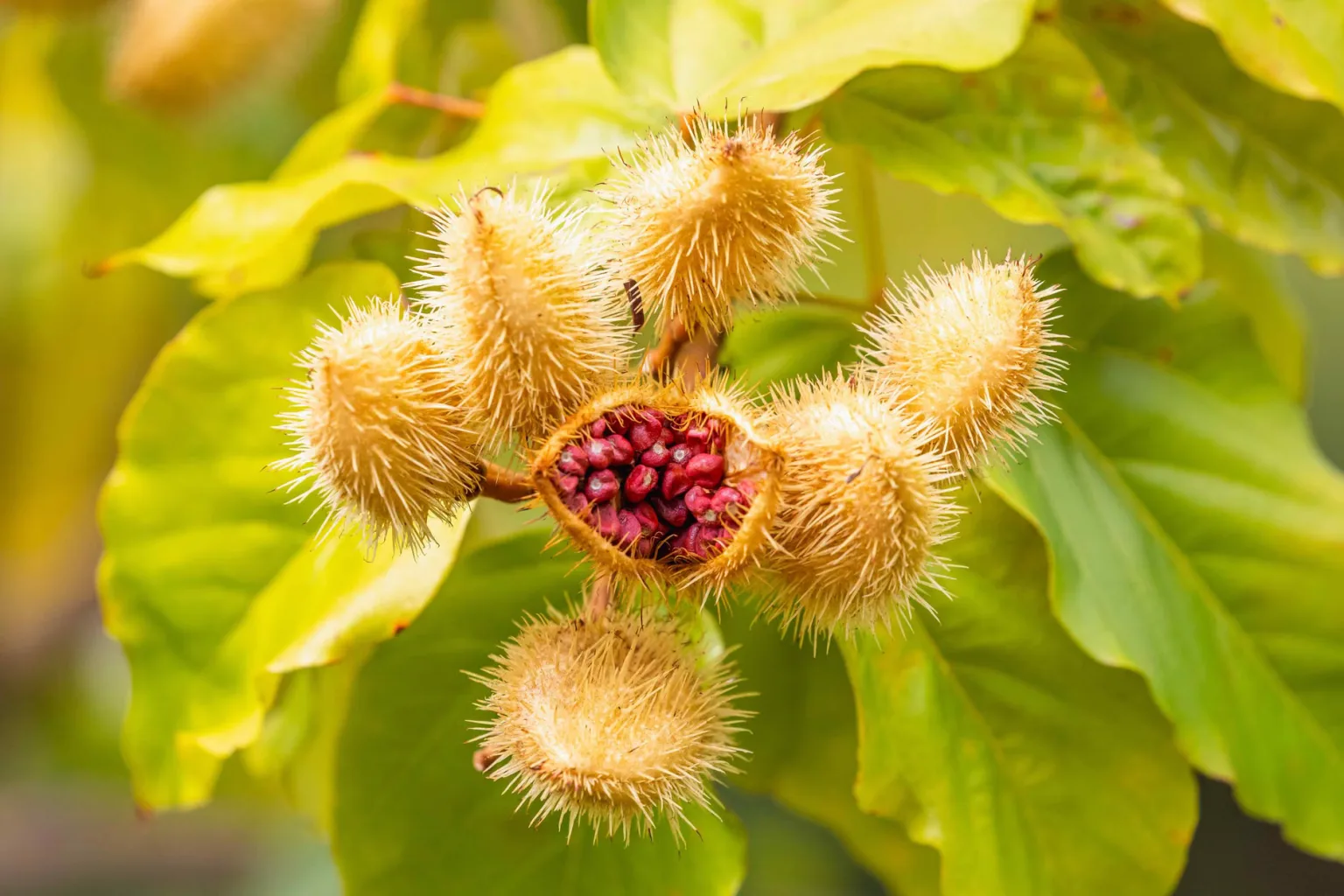
Annatto, also known by names such as achiote and urucum, is a spice obtained from the seeds of Bixa orellana. It is sold in several forms, including seeds, powder and paste; annatto oil is also used in cooking. Its pigment gives food a reddish or orange hue, so it serves as both a culinary colorant and a seasoning. Its flavor is described as mild and earthy, with slightly sweet, nutty notes; it can come across as more peppery or pronounced when used in larger quantities. A vivid color does not necessarily mean a strong flavor: the result depends on the form, recipe and amount used.
When to use it
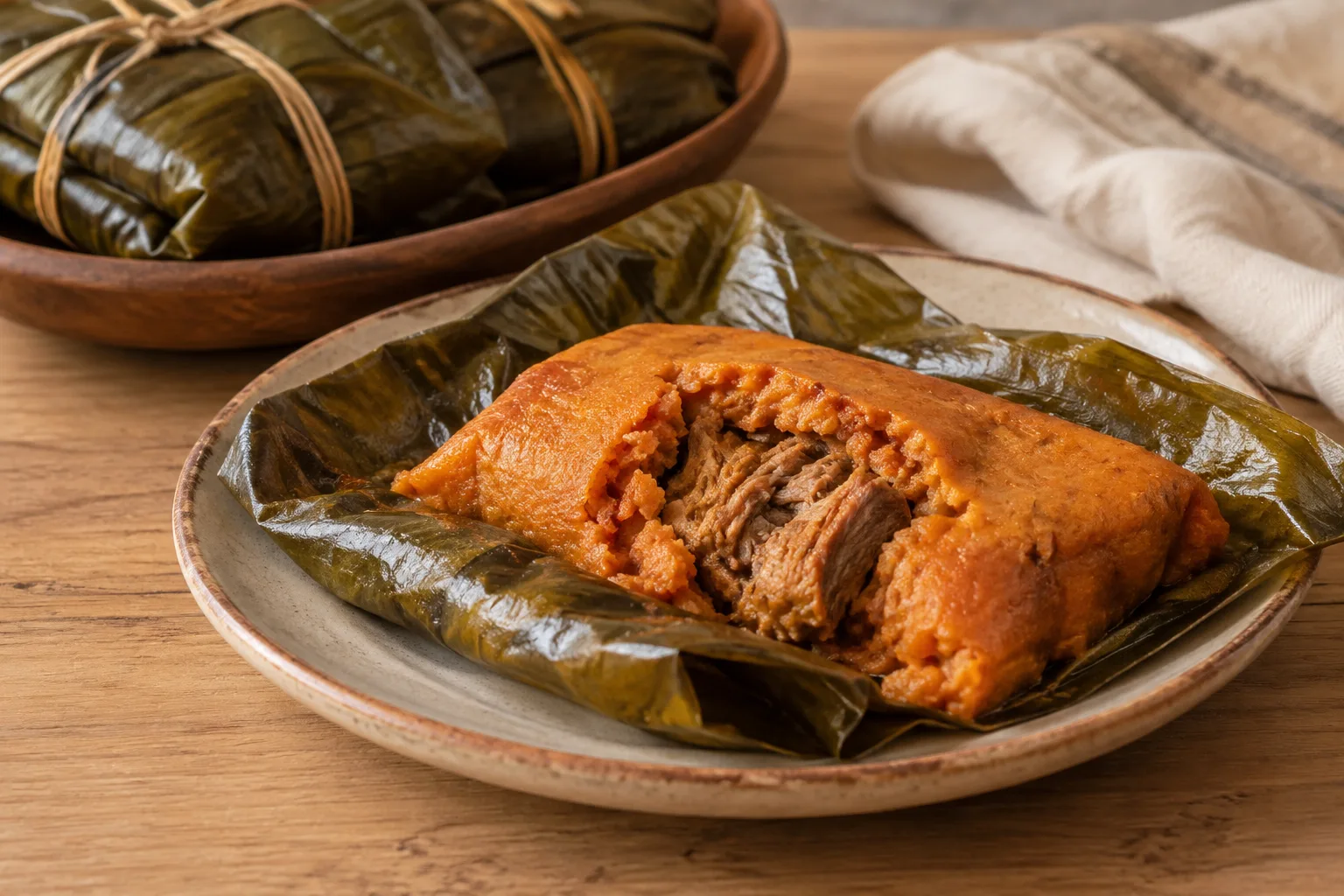
Use annatto when you want to give a dish a red-orange hue and add a subtle earthy flavor. It can be included in marinades and seasoning pastes, as well as sauces, broths, soups and stews. It is also used with rice and meats; culinary examples include pork and fish. Choose the form to suit the preparation: seeds can be ground or heated in oil to release color, while powder and paste can be mixed into suitable preparations. If you are new to cooking with annatto, start with a small amount and adjust to taste, since sources describe its flavor as more pronounced when used generously.
How to use it
Adapt your method to the form you have. Grind the seeds before mixing them with other ingredients, or heat them in oil and remove them to make a colored cooking oil. Annatto powder can be stirred into seasoning blends, sauces or marinades; paste can be combined with the other ingredients in a marinade. For a marinade-style preparation, mix it with the other components of the recipe and spread the mixture over the ingredient you plan to cook. You can also add annatto to rice, broths or stews for color and flavor. The available evidence does not establish a universal amount: begin with a little, taste and adjust according to the product and the result you want. Follow the package directions for commercial products.
Flavour and texture
Annatto is described as mild and earthy, with slightly sweet, nutty notes; larger amounts can make it taste more pronounced or peppery. The seeds are hard and may be ground or processed before use in some preparations. Powder and paste provide different ways to mix the spice into food.
How to choose it
Choose the form that suits your recipe: annatto is available as seeds, powder, paste and oil. Check the package to identify the product and its ingredients, particularly when buying a paste or prepared blend, since these are not necessarily pure annatto. Choose a sealed package without visible damage; the available evidence does not support a recommendation for a particular variety or place of origin.
Storage
Storage guidance can differ by form and package. One culinary guide recommends keeping spices protected from light and air in closed containers; another advises storing seeds in a dry, dark place. For opened paste or powder, the source consulted recommends refrigeration, and for oil it suggests an opaque container away from heat. Check the product label, which takes precedence if it gives different instructions.
Substitutions
Saffron is mentioned as a culinary substitute for annatto when color is wanted, but it does not provide exactly the same flavor. Annatto seeds can be ground for a recipe calling for powder, although the preparation may need adjustment. Paste and oil are other available forms, but their mixtures and concentration can vary; do not automatically exchange them in equal amounts.
Common mistakes
Using too much annatto can make its earthy, peppery flavor more prominent than intended. Another mistake is treating seeds, powder, paste and oil as identical products: they have different forms and may need different handling. Do not assume a commercial paste contains only annatto; check its ingredients and follow the package directions.
Safety and allergens
The supplied evidence does not include a specific official safety warning for annatto. Check the product’s ingredient list and follow its package directions; if you have an individual concern about an ingredient, consult a qualified professional.
Culinary uses
- Aporta color rojo anaranjado a los alimentos
- Condimenta adobos, salsas, guisos y marinados
Recommended techniques
- Moler las semillas para incorporarlas a una preparación
- Calentar las semillas en aceite y retirarlas para colorear el aceite
- Mezclar achiote en pasta con ingredientes de un adobo o marinada
Pairs well with
- Cerdo
- Arroz
- Pescado
- Sopas y guisos
Frequently asked questions
What is annatto?
It is a spice obtained from the seeds of Bixa orellana, available in forms such as seeds, powder and paste, and used for color and flavor.
What does annatto taste like?
It is described as mild and earthy, with slightly sweet, nutty notes; larger amounts can taste more pronounced or peppery.
How do you use annatto in cooking?
It can be ground, mixed into marinades and sauces, or heated in oil to color the oil. It is also used in rice dishes, stews and marinades.
Sources and review
Automatically researched, cross-checked and validated content. Sources consulted:
- Client Challenge doi.org
- The Essential Glossary of Cooking Terms for the Culinary Arts - Escoffier escoffier.edu
- Spices list: the best spices everyone should have in their kitchen insights.ehl.edu
- Ulster | Cornell Cooperative Extension ulster.cce.cornell.edu
- Achiote Paste Near Me Guide ~ cms.ncwc.edu cms.ncwc.edu
- Improving conservation and development outcomes: The achiote-farming livelihood project in Jamboé Valley, Ecuador | Tropical Resources Institute tri.yale.edu
- Culinary Career Advice from Rick Bayless | Institute of Culinary Education ice.edu
- Pacific Food Guide | Rice manoa.hawaii.edu
- El achiote como especia | El Huerto Urbano elhuertourbano.net
- ¿Qué es el achiote y de dónde viene? - La Anita laanita.com
- El achiote: sabor, usos y beneficios | Blog UNITEC blogs.unitec.mx
- Achiote: qué es, su origen, usos y beneficios | Cocinatis cocinatis.com