- Category
- Vegetables
- State
- Fresh
- Usual unit
- g
What it is
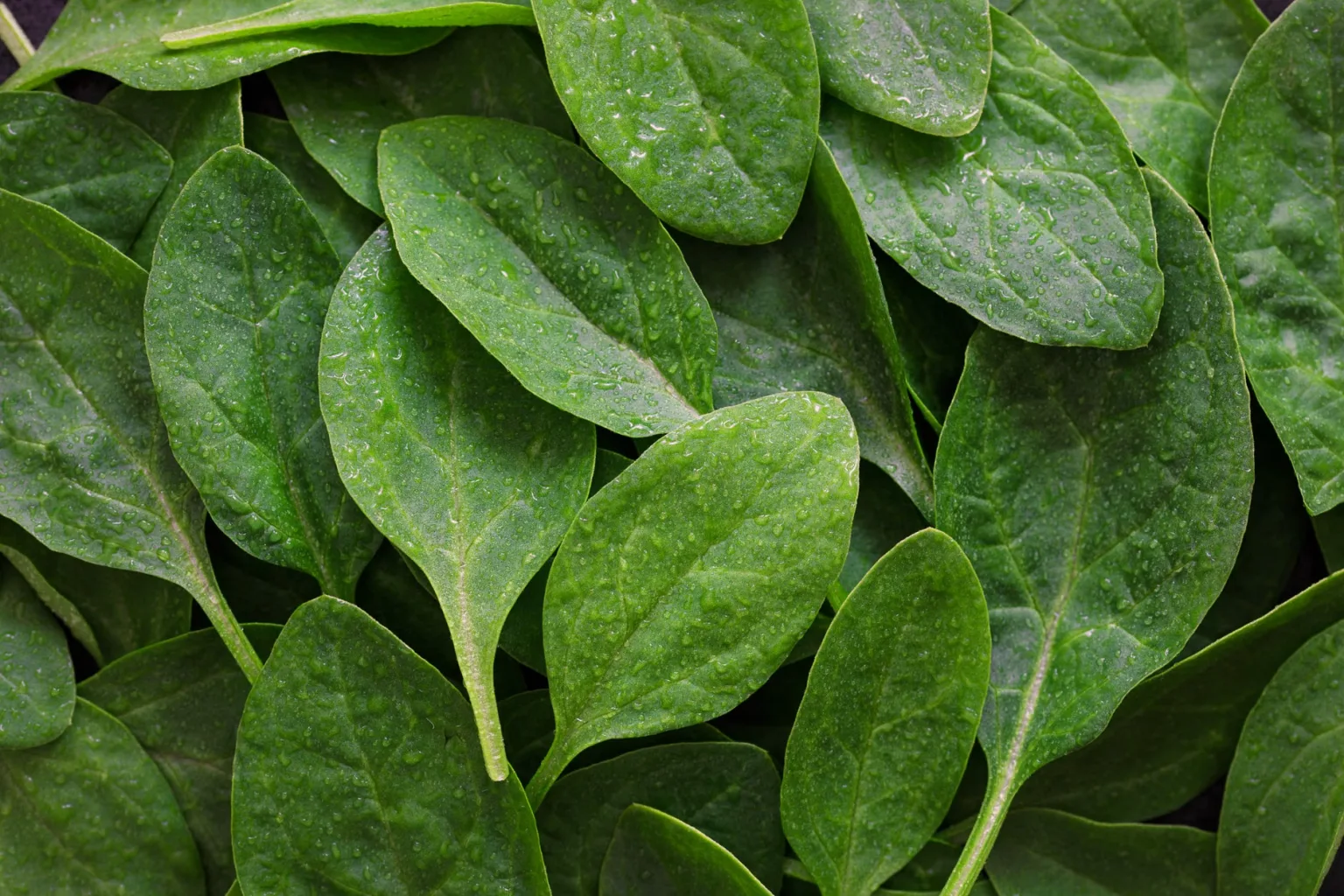
Baby spinach is spinach picked at an early stage, with leaves that are usually small and tender. The name does not need to be understood as a separate species; it mainly describes the size and harvest stage of the leaves. Compared with the larger, firmer leaves of mature spinach, baby leaves tend to feel more delicate when eaten. They are sold fresh and can be used raw or cooked. The appearance and texture can vary from one pack to another, so judge the leaves themselves and read the package rather than assuming every product is identical.
When to use it
Choose baby spinach when you want tender leaves for a salad or fresh side, or when you prefer a less firm texture than mature spinach. It is also useful in omelets, fillings, sautés, soups, and stews. Because the leaves are delicate, add them near the end of cooking if you want them to retain a more distinct texture. If you want them to blend into a dish, cook them with the other ingredients instead.
How to use it
Check the leaves and remove any that are spoiled. Unless the package says the spinach is ready to eat, wash it carefully with potable water before use and drain it without crushing the leaves. For a raw dish, toss the leaves with dressing and other ingredients, such as cheese, nuts, or mushrooms, shortly before serving. To cook them, sauté them briefly, steam them, or add them to soups, stews, omelets, and fillings. Spinach shrinks considerably as it cooks, so a generous-looking pile may take up much less room in the finished dish. Follow any preparation instructions on the package.
Flavour and texture
Young leaves usually have a mild, green flavor and a tender texture that makes them easy to eat raw. The experience can vary: some leaves have a slightly bitter note, and the crop, pack, and preparation can affect how it tastes. When cooked, spinach softens and loses considerable volume. Pairing it with creamy, crunchy, or more assertive ingredients adds contrast without completely masking its green character.
How to choose it
Look for leaves that appear fresh and green, without obvious wilting, sliminess, or spoilage. Check that the package is intact and read its date and storage and use instructions. Leaf size and shape may vary between products; a somewhat larger leaf does not necessarily mean it is a different kind of spinach. If buying loose leaves, choose those that look fresh and avoid leaves with visible damage.
Storage
Keep fresh baby spinach refrigerated and follow the package's specific directions, including what to do after opening. Avoid leaving it at room temperature longer than necessary. If you will not use it straight away, do not wash it before storage, as extra moisture can encourage deterioration. Remove spoiled leaves when you find them. The available household-storage source recommends refrigeration and keeping spinach dry; it does not establish one storage period that applies to every package.
Substitutions
Mature spinach is the closest substitute: its leaves are larger and firmer, so chop them if you want a more similar texture and expect cooking needs to differ. For cooked dishes, tender Swiss chard can play a similar leafy-green role, although its flavor and texture are not identical. Neither option exactly reproduces the delicacy of baby leaves, particularly in a raw salad.
Common mistakes
Do not assume the spinach has been washed or is ready to eat: check the label and wash it if needed. Avoid storing the leaves wet unnecessarily or crushing them, since they are delicate. Remember that spinach shrinks considerably during cooking; start with enough if you want it to remain noticeable in the finished dish, and add it at a stage suited to the texture you want.
Safety and allergens
Handle the leaves with clean utensils and surfaces, and follow the package's storage and use directions. Wash with potable water before eating if the product is not identified as ready to eat. Spinach is among the vegetables for which official nitrate limits have been set; that fact alone does not establish individual consumption advice. For guidance about a specific group or medical situation, consult a qualified professional.
Culinary uses
- ensalada y hojas frescas
- verdura para salteados y platos cocinados
- ingrediente para sopas, guisos y rellenos
Recommended techniques
- servir cruda en ensaladas
- saltear brevemente
- cocinar al vapor
- añadir a sopas, guisos o tortillas
Pairs well with
- ajo y cebolla
- queso y frutos secos
- champiñones
- huevo
Frequently asked questions
What does “baby” mean in baby spinach?
It refers to spinach leaves harvested young; they are usually smaller and more tender than mature leaves.
Can baby spinach be eaten raw?
Yes. It can be used in salads. Check the label and wash it with potable water if the package does not say it is ready to eat.
Can baby spinach be cooked?
Yes. Sauté or steam it, or add it to soups, omelets, stews, and fillings. Its volume decreases noticeably when cooked.
Estimated nutrition
- Fat
- 0 g
- Saturates
- 0 g
- Carbohydrate
- 3.53 g
- Sugars
- 0 g
- Fibre
- 2.4 g
- Protein
- 2.35 g
- Salt
- 0.19 g
Sources and review
Automatically researched, cross-checked and validated content. Sources consulted:
- En el etiquetado alimentario hay algunas menciones que son obligatorias eletiquetadocuentamucho.aesan.gob.es
- Client Challenge doi.org
- Espinacas: beneficios y cómo usarla en la cocina - Cocina y Come cocinaycome.com
- Descubre Todos los Tipos de Espinacas: Variedades, Características y Beneficios jardineriaon.com
- Espinaca: origen, cultivo, propiedades y beneficios. frutamerca.com
- Las mejores recetas para cocinar con espinacas: fáciles, caseras y rápidas directoalpaladar.com
- Espinacas: Beneficios, Sabor, Usos, Cómo Cocinar, Recetas, Nutrición, Tipos lotusmagus.com
- Aesan - Agencia Española de Seguridad Alimentaria y Nutrición aesan.gob.es
- espinacas tiernas | Fundación G+E diet-health.info
- ESPINACA BABY – Hacendado es.openfoodfacts.org
- Espinaca baby - Nectarfruit nectarfruit.es
- ¿Pueden comer espinaca los bebés? - Solid Starts solidstarts.com
- Guía Definitiva de la Planta de Espinaca: Tipos y Usos spice.alibaba.com
- Beneficios de la espinaca en bebés | HosteleriaEnValencia.com hosteleriaenvalencia.com
- Sorprendentes recetas con espinacas baby que debes probar cookpad.com
- Gastronomía de El Salvador - Wikipedia, la enciclopedia libre es.wikipedia.org
- 3 formas de cocinar espinaca bebé - wikiHow es.wikihow.com
- Recetas simples y saludables con espinacas baby para toda la familia | Ferwer ferwer.es