- Category
- Sugar and sweeteners
- State
- Liquid
- Usual unit
- ml
What it is
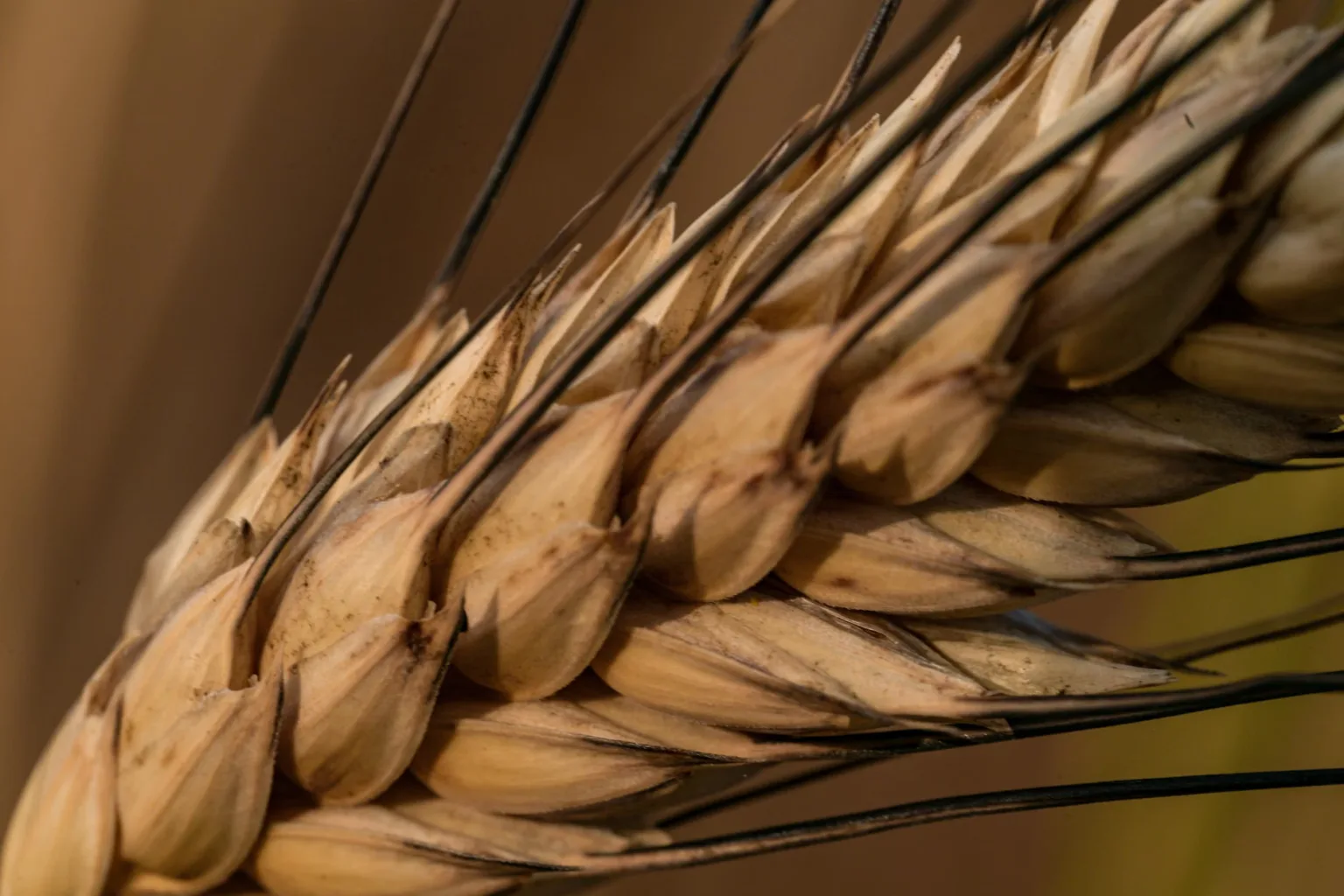
Barley malt syrup, sometimes called malt extract, is a viscous sweetener made from malted barley. During malting, germination activates changes that break down some starch into sugars; the resulting extract is concentrated into a syrup. It is not the same as isolated maltose: syrup can contain a mixture of sugars. The product is described as thick, ranging from yellowish to brown, with a malty flavor reminiscent of caramel. Products come in different forms and formulations, so check the label rather than assuming they are all identical.
When to use it
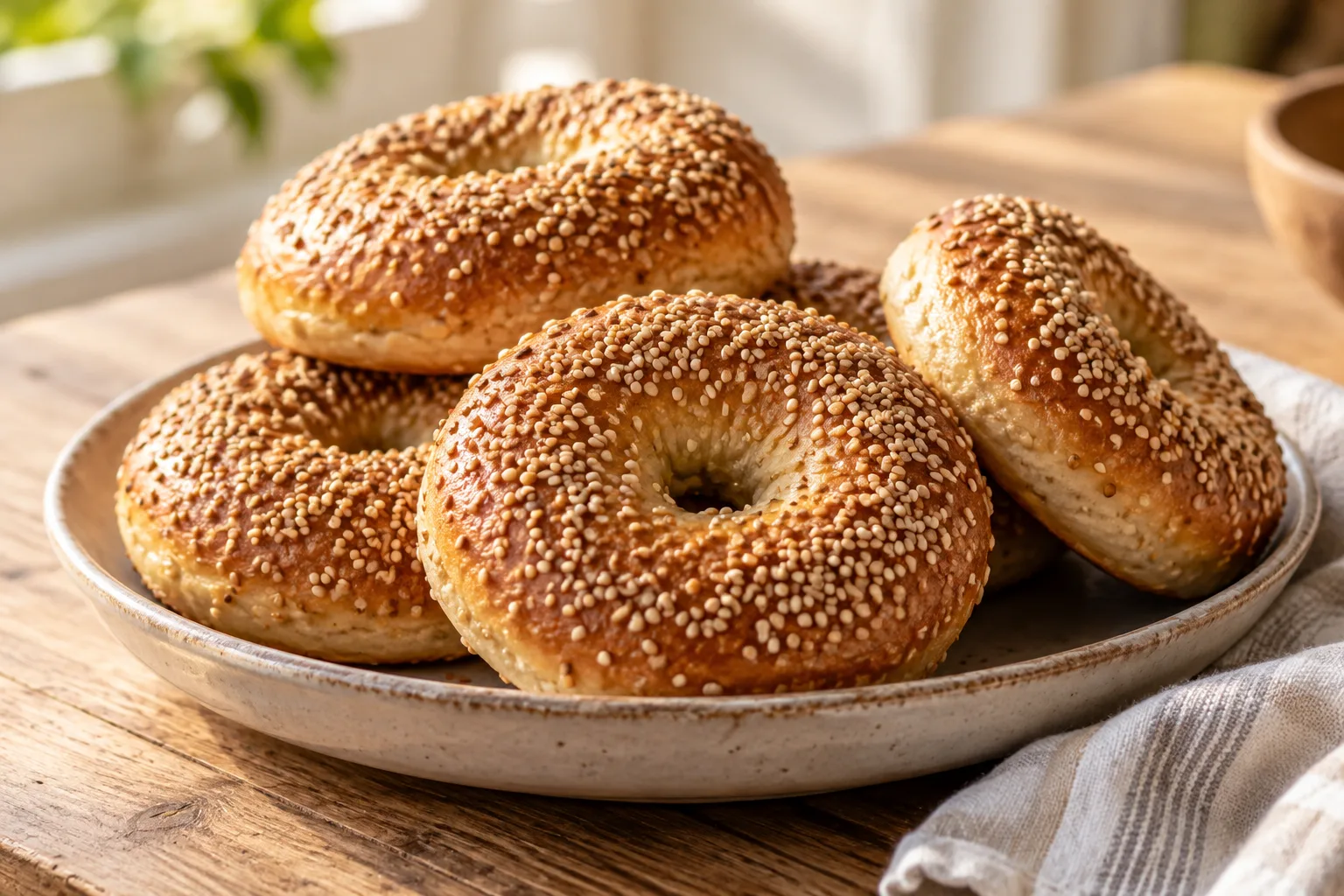
Use it when you want to add sweetness and a malty note to bread dough, cookies or other baked goods, or when you need a liquid sweetener for a spread or sauce. In a recipe, the syrup can affect flavor as well as texture, so do not automatically treat it as interchangeable with dry sugar. It is also used in some malt products and drinks, although the appropriate use depends on the recipe and the particular product. If you want a neutral flavor, bear in mind that its malty character may be noticeable.
How to use it
Measure the syrup according to your recipe and mix it thoroughly with the liquid ingredients or with the part of the mixture specified by the method. In baking doughs, it can be incorporated into the formulation to add sweetness and malt notes; the amount and effect depend on the recipe, so there is no universal conversion from dry sugar. It can also be stirred into a sauce or used as a spread or sweet addition to prepared foods. If replacing the syrup with honey in a baking recipe, one source suggests a 1:1 ratio, but the flavor and final result may change. Try the product and adjust cautiously rather than assuming syrups from different brands have the same concentration or consistency.
Flavour and texture
It tastes sweet and malty, described by one source as reminiscent of caramel. Its consistency is viscous or thick, so it may cling to a spoon and needs thorough mixing to distribute through dough or sauce. Color can range from yellowish to brown; light and dark products with different profiles are also described, although the available information on that variation comes from a commercial source. Flavor intensity and color can vary by product: check the label and do not assume one jar will replace another without affecting the result.
How to choose it
Look for a clear label name such as barley malt syrup or barley malt extract, and review the ingredient list to see whether other grains or added components are present. Malt products have different formulations, and powdered forms are also described; do not confuse liquid extract with malt powder, as their uses may differ. If avoiding gluten matters to you, verify the manufacturer's statements and product certification: the available sources mention both gluten-containing products and versions described as gluten-free, so it is not safe to generalize.
Storage
The available evidence does not establish specific home-storage conditions or a shelf life after opening. Follow the manufacturer's printed directions, keep the product in its container, and do not rely on storage recommendations for bulk industrial syrup when deciding how to store a household jar. If the label gives a specific instruction after opening, follow it. Color or consistency alone is not enough to determine whether a product has been stored properly.
Substitutions
One source proposes replacing liquid malt syrup with honey at a 1:1 ratio in baking, but it does not guarantee the same flavor, texture or behavior in every recipe. Another sugar may provide sweetness in a dough, although the evidence gives no universal equivalent amount or rule for adjusting liquids. If the recipe depends on the malty character or syrup consistency, a substitution can change the result; make a small test batch when practical.
Common mistakes
Do not confuse malt syrup with pure maltose: syrup can contain several sugars. Do not assume liquid syrup and powdered malt extract are used in the same way. Treating honey or another sugar as an identical replacement can change flavor and texture. Finally, do not assume every barley malt product is gluten-free; check the label whenever that matters.
Safety and allergens
Check the product label, especially if you need to avoid barley or gluten, because formulations and declarations can vary. The available sources provide no specific official safety warning for culinary use of this syrup; follow the manufacturer's instructions and consult a professional if you have an allergy or dietary need requiring individual guidance.
Culinary uses
- Edulcorante para masas y productos de panadería
- Aporte de sabor maltoso a untables, salsas y preparaciones dulces
Recommended techniques
- Incorporar a masas y mezclas de repostería
- Remover en salsas u otras preparaciones para distribuir su dulzor
- Usar como untable o añadir sobre alimentos ya preparados
Pairs well with
- Panes y otras masas horneadas
- Untables y preparaciones dulces
- Salsas y aperitivos
- Bebidas y productos de malta
Frequently asked questions
Is malt syrup the same as maltose?
Not necessarily. Malt syrup is an extract that can contain different sugars; maltose is one specific sugar that can form during malting.
Can I substitute honey for it?
One source suggests a 1:1 ratio in baking, but flavor and results may change. Test how the recipe responds before using the substitution in an important preparation.
Does barley malt syrup always contain gluten?
Do not assume one answer applies to every product: the available sources describe products with gluten as well as versions labeled gluten-free. Check the label and certification for the specific product.
Estimated nutrition
- Fat
- 0 g
- Saturates
- 0 g
- Carbohydrate
- 66.7 g
- Sugars
- 38.1 g
- Fibre
- 0 g
- Protein
- 4.76 g
- Salt
- 0 g
Sources and review
Automatically researched, cross-checked and validated content. Sources consulted:
- ¿Por qué la muerte es origen de miedos y tabúes? doi.org
- CERVECERO ESPAÑOL aesan.gob.es
- De 1 & 4 p. dl.library.ucla.edu
- Descontaminación de efluentes de la industria cervecera ... repositorio.ucam.edu
- La calidad del grano es clave para el mercadeo y producción de cebada para malta extension.psu.edu
- Beer Recipe Calculator | Brewer's Friend go.middlebury.edu
- Diseño de un biorreactor para la fabricación de la cerveza upcommons.upc.edu
- Mejoras a la calidad en galletas de soda baja en grasa scholar.uprm.edu
- Jarabe de malta (extracto de malta, ¿orgánico?, ¿crudo?) | Fundación G+E diet-health.info
- Proveedores de Cebada - Venta a granel y al por mayor | Nutrada nutrada.com
- Jarabe de malta de cebada para Bebés — Guía Completa por Edad | Dalo Solids | Dalo Baby dalofamilyapps.com