- Category
- Fish and seafood
- State
- Fresh
- Usual unit
- g
What it is
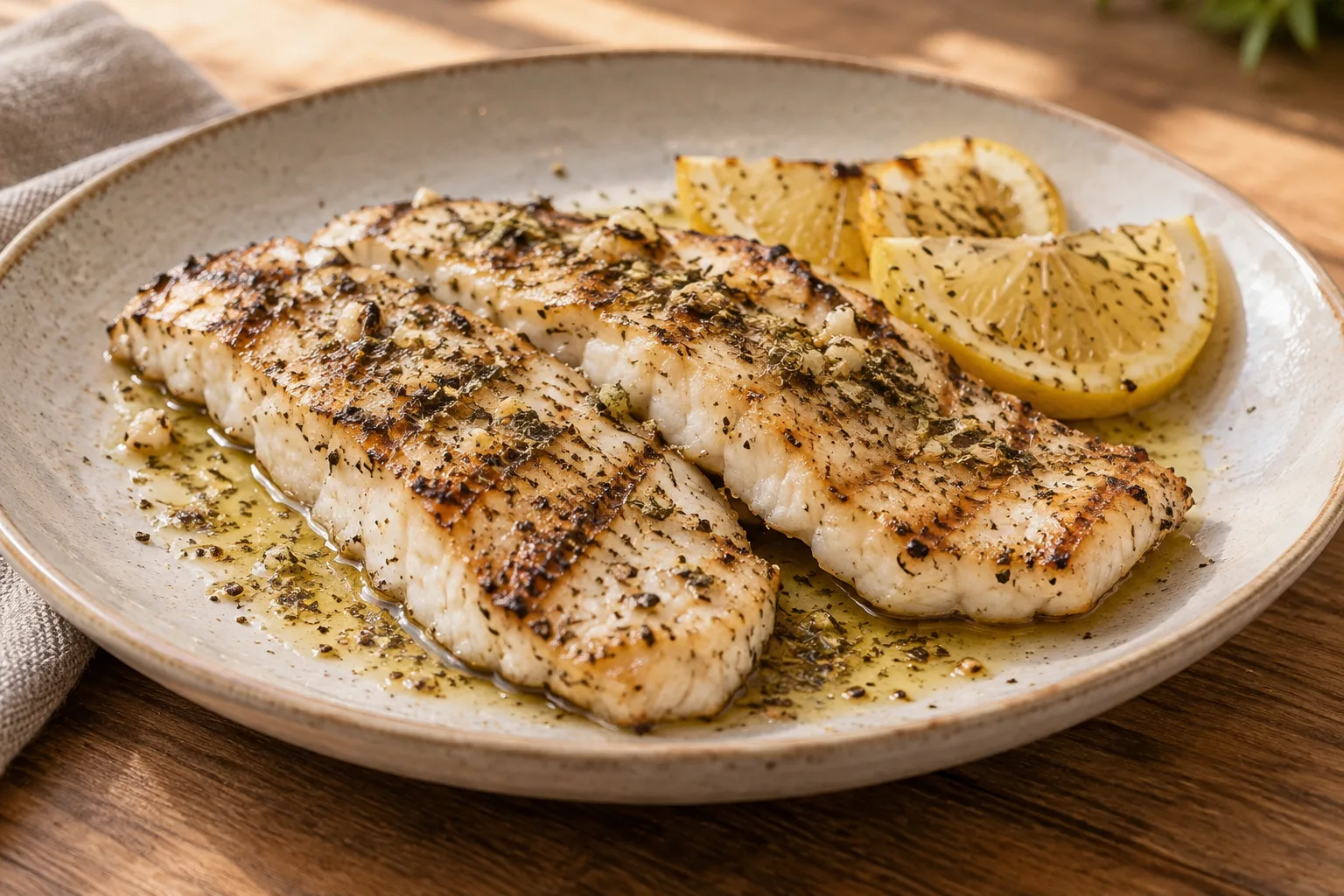
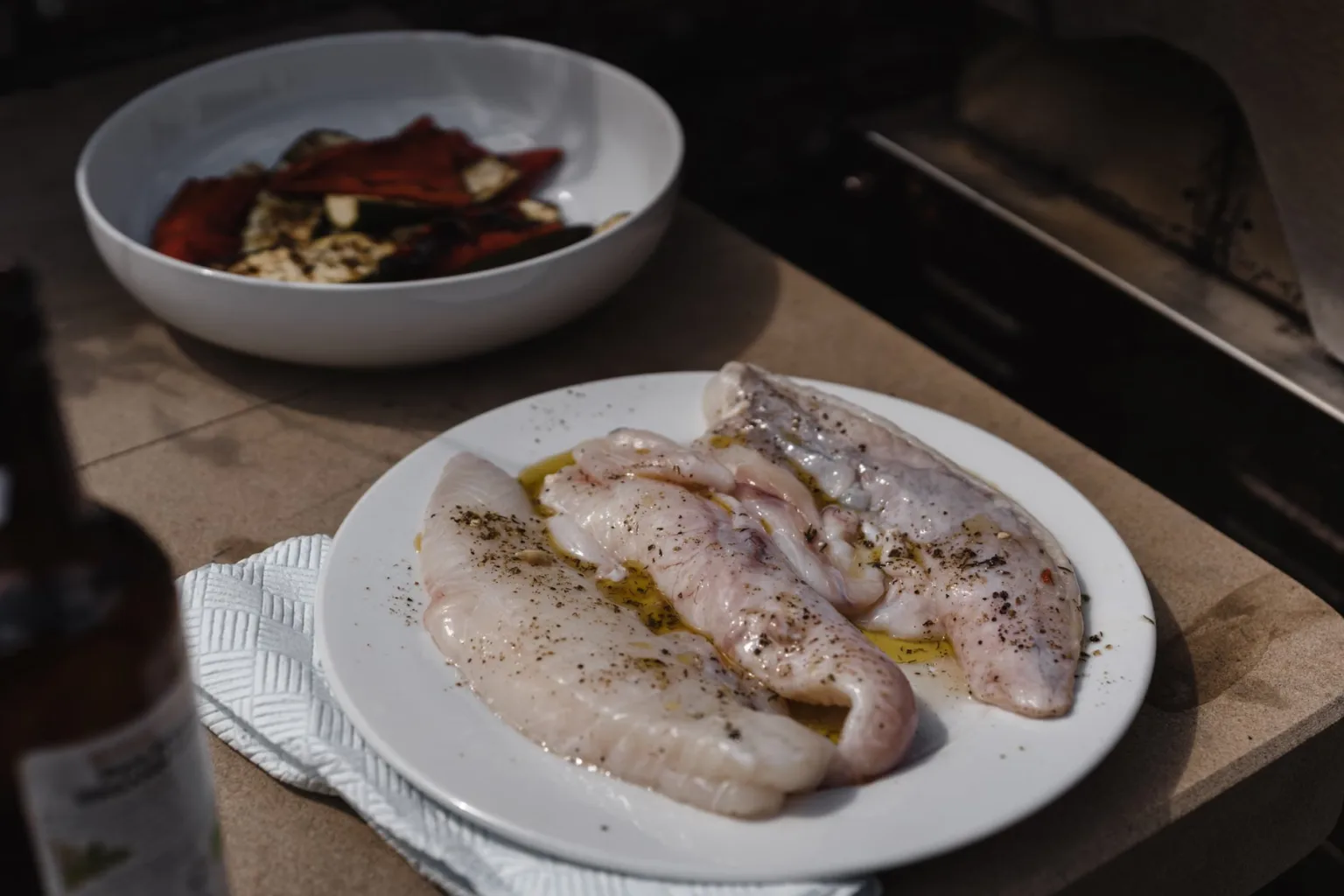
Barramundi fillets are portions cut from barramundi, a fish identified as Lates calcarifer and belonging to the Latidae family. It is sold in formats including vacuum-packed, skin-on fillets and bulk packs. Its flesh is described as mild in flavor, buttery, and succulent. Appearance and size can vary with the product and cut, so check the label and the format being offered rather than assuming every fillet is the same.
When to use it
Choose barramundi when you want a mild-tasting fish that can be served with light sauces, vegetables, or potatoes without relying on a heavy coating. Fillets are convenient for portion-based cooking and work with familiar fish techniques such as pan-cooking, steaming, baking, or papillote. If your recipe calls for crisped skin, check that the fillet is sold skin-on; otherwise, adapt the method to the cut you have.
How to use it
Check the label to see whether the fillet is skin-on, and follow the package’s storage directions. Choose a method that suits the cut: pan-cook or grill it, steam it, bake it, or cook it in papillote. For a simple meal, serve it with sautéed or just-cooked vegetables, potatoes, or a light sauce. Avoid overpowering seasoning if you want the fish’s mild flavor to come through. The available evidence does not give barramundi-specific cooking times or temperatures, so none are prescribed here.
Flavour and texture
Barramundi is described as mild in flavor, with buttery, succulent flesh. Those qualities suit simple preparations and accompaniments that do not obscure the fish. Texture can vary with the cut and preparation; do not assume that every fillet has skin or comes in the same size.
How to choose it
Read the label to confirm that you are buying barramundi, and check whether the fillet is skin-on, packaged, or sold in bulk. The supplier describes vacuum-packed, skin-on fillets as well as bulk formats, so availability may vary by retailer. Choose a cut that fits your recipe and follow the product information; the available evidence does not establish universal freshness tests specific to this fish.
Storage
Follow the storage directions on the package and the seller’s guidance. Barramundi is also sold frozen, but the available sources do not provide storage durations or temperatures for each format. Do not infer a shelf life from the packaging style; check the label and the retailer’s recommendations.
Substitutions
If barramundi is unavailable, another firm-textured white-fish fillet may work, although its flavor and result can differ. Grouper or sole may suit some preparations, but their texture will not necessarily be the same. Adapt the cooking method to the fish you choose and follow its product directions.
Common mistakes
Do not assume that all fillets are skin-on, the same size, or sold in an identical format. Avoid masking the fish’s mild flavor with a dominant coating or sauce if you want to appreciate it. Do not automatically transfer another fish’s method, timing, or temperature to barramundi; the available sources do not give specific parameters for this fish.
Safety and allergens
Treat the product as perishable fish and follow the package or seller’s storage and cooking directions. The available evidence does not specify safety parameters for this ingredient.
Culinary uses
- Plato principal de pescado
- Proteína suave para comidas cotidianas
Recommended techniques
- Dorar en sartén o plancha
- Cocinar al vapor
- Hornear o preparar en papillote
Pairs well with
- Verduras salteadas o cocinadas al dente
- Patatas y otros acompañamientos de sabor suave
- Salsas ligeras o jugos de cocción
Frequently asked questions
What does barramundi taste like?
It is described as mild in flavor, with buttery, succulent flesh.
Do barramundi fillets always have skin?
Not necessarily. Skin-on formats are available, but check the label for the specific product.
How can I cook barramundi fillets?
Common methods for fish fillets include pan-cooking or grilling, steaming, baking, and papillote. Match the method to the cut and its package directions.
Estimated nutrition
- Fat
- 2.98 g
- Saturates
- 1.19 g
- Carbohydrate
- 0 g
- Sugars
- 0 g
- Fibre
- 0 g
- Protein
- 17.9 g
- Salt
- 0.09 g
Sources and review
Automatically researched, cross-checked and validated content. Sources consulted:
- ¿Por qué la muerte es origen de miedos y tabúes? doi.org
- Qué es (y qué no es) la estadística, usos y abusos de una disciplina clave en la vida de los países y las personas | Estudios económicos doi.org
- food preparation methods and regional collections.lib.utah.edu
- Omega-3 Fatty Acid Content in Fish seafood.oregonstate.edu
- Barramundi vimafoods.com
- Sign up for Couples Cooking Classes with NTCC Culinary Arts | Northeast Texas Community College ntcc.edu
- Sustainable Sustenance wellesley.edu
- Should You Worry About Those Worms Found in Costco’s Salmon? We Asked an Expert | Food Science & Human Nutrition | Illinois fshn.illinois.edu
- this week's menus | Salisbury Dining Services dining.salisbury.edu
- 10-02-07_07 calstate.fullerton.edu
- - YouTube youtube.com
- Robalo barramundi: el pescado premium que debes probar blancodelnilo.com
- Filete de barramundi: Información nutricional, carbohidratos e impacto en la glucemia | Logi logifoodcoach.com
- Filetes de pescado: diferentes maneras de cocinarlos | Consumer consumer.es
- Antes de ir a YouTube youtube.com