- Category
- Sauces and condiments
- State
- Liquid
- Usual unit
- cup
What it is
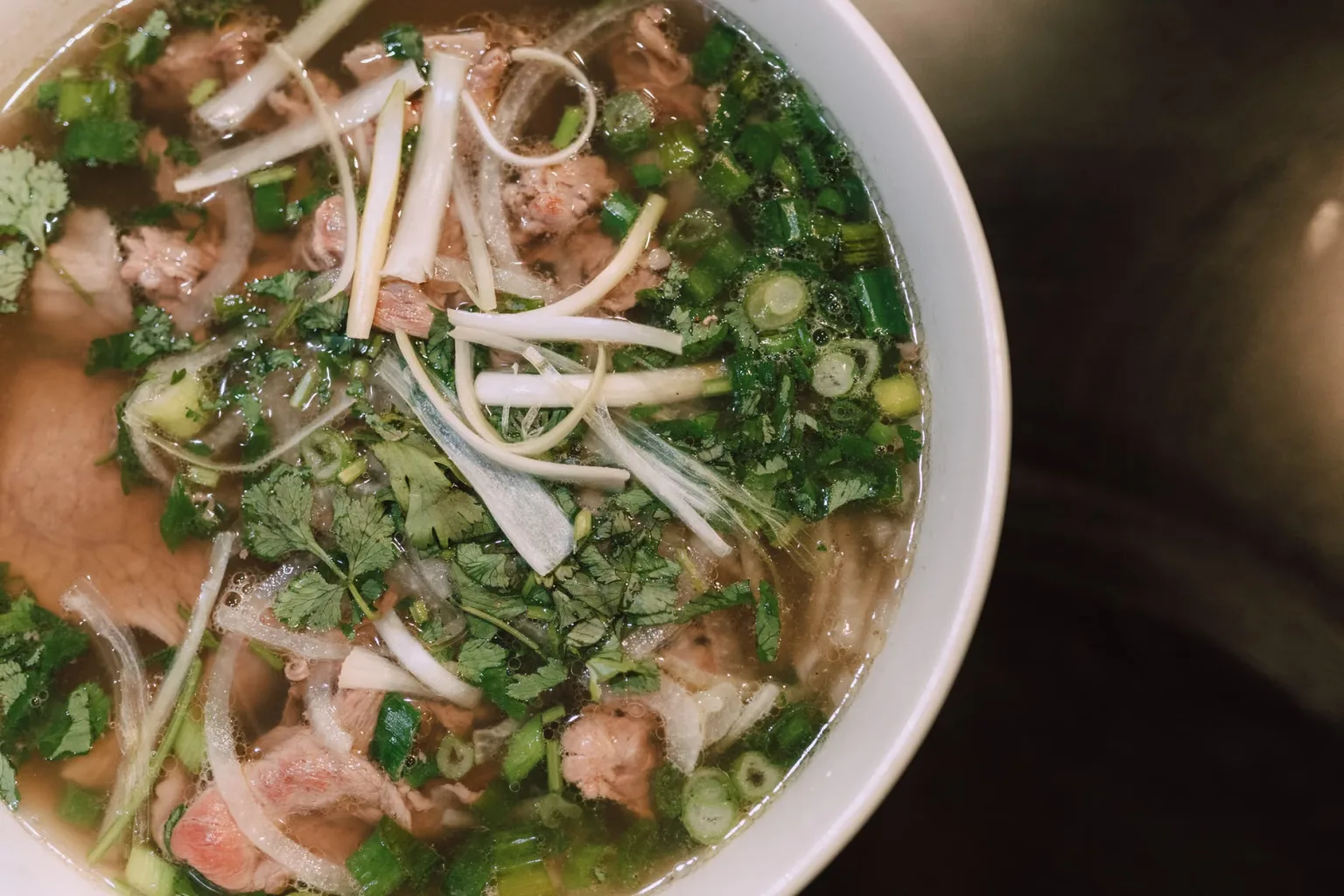
Beef broth is the liquid produced by cooking beef ingredients in water; it may be made with meat, bones, or both. Vegetables and aromatics can also be included, so there is no single fixed ingredient list. Broth may be served or used as a preparation in its own right, or used as a foundation for other dishes. It is useful to distinguish broth from a concentrated stock: reducing broth produces a more concentrated liquid. Packaged products can differ from homemade preparations, so check the label for ingredients and seasoning.
When to use it
Use beef broth when a recipe needs a beef-flavored liquid instead of plain water, especially in soups, creamy soups, stews, sauces, and rice dishes. It can form the base of a soup or be added during cooking to flavor the rest of the dish. If the recipe already contains salty ingredients, or the broth is seasoned, taste before adding more salt. Broth can be reduced for a more concentrated flavor, but reduction can intensify its existing seasoning as well.
How to use it
Measure the broth to match the liquid quantity called for in the recipe. Use it directly as the base for soup, creamy soup, or stew, or as the cooking liquid for rice. It can also be added to a sauce or reduced to make its flavor more concentrated. Taste before seasoning: preparations vary, and packaged broth may already be seasoned. Replacing it with water or vegetable broth changes the flavor profile. For a clear dish, avoid unnecessary stirring if the recipe calls for a transparent broth; clarifying consommé is a separate method from everyday broth use.
Flavour and texture
Its defining flavor is beefy, and it can be mild or pronounced depending on the ingredient proportions and how concentrated it is. Vegetables and herbs also change its flavor profile. As a liquid, it is generally pourable; a reduced broth can taste more concentrated. Color and clarity are not uniform and depend on how it was prepared and which ingredients were used.
How to choose it
Read the label to confirm that the product is beef broth and to check its ingredients and seasoning. Recipes and products vary: some broths include vegetables or aromatics, while others use a different formulation. If you plan to use it in a delicate recipe or alongside other salty ingredients, choose a flavor and concentration that suit the dish, and taste before adding more salt.
Storage
For homemade broth, one recipe source recommends cooling it before refrigerating and freezing what will not be used. It does not provide a storage period that can be applied to all broths. For packaged broth, follow the storage directions on its label, especially after opening; do not assume that instructions are the same across brands or formats.
Substitutions
Vegetable broth can replace beef broth if a change in flavor is acceptable; water supplies liquid but not the same flavor. Taste and adjust seasoning to suit the whole recipe. Since broth intensity and seasoning vary, no substitute will exactly reproduce every product.
Common mistakes
Adding salt without tasting first can make a dish over-seasoned, especially when the broth is already seasoned. Another common mistake is treating every broth as equally strong: concentration and ingredients can differ. If you want a stronger flavor, consider reducing it; do not assume that all broths have the same concentration.
Safety and allergens
Check the product label for ingredients and follow its storage and use instructions. For homemade broth, use careful food handling and storage practices; the available evidence does not establish universal storage time limits here.
Culinary uses
- Base líquida para sopas y cremas
- Líquido de cocción y aporte de sabor para arroces, guisos y salsas
Recommended techniques
- Usar directamente como líquido de cocción
- Reducir a fuego suave para obtener un fondo más concentrado
Pairs well with
- Carne de res y verduras de raíz
- Arroz, maíz y hierbas aromáticas
Frequently asked questions
How is broth different from stock?
A stock is a broth that has been reduced to concentrate the liquid and its flavor; the term generally refers to a more concentrated preparation.
Does beef broth always contain bones?
No. It may be made with meat, bones, or both, depending on the preparation.
Can I substitute vegetable broth?
Yes, if a different flavor works for your dish. Vegetable broth will not reproduce the beef profile, so taste and adjust the seasoning.
Estimated nutrition
- Fat
- 0 g
- Saturates
- 0 g
- Carbohydrate
- 0.82 g
- Sugars
- 0.41 g
- Fibre
- 0 g
- Protein
- 1.22 g
- Salt
- 0.91 g
Sources and review
Automatically researched, cross-checked and validated content. Sources consulted:
- ¿Por qué la muerte es origen de miedos y tabúes? doi.org
- The Essential Glossary of Cooking Terms for the Culinary Arts - Escoffier escoffier.edu
- Caldo - Wikipedia, la enciclopedia libre es.wikipedia.org
- Traditional Mexican American Folklore - Folk Food | Traditional Mexican American Folklore Collection | University of Texas Rio Grande Valley scholarworks.utrgv.edu
- Caldo de carne amimaneracocinando.com
- Safe & Healthy Food Pantries Project - Health & Well-Being health.extension.wisc.edu
- Caldo de Res Near Me Traditional Latin American Beef Soup for a Delicious Meal ~ cms.ncwc.edu cms.ncwc.edu
- Pot on the fire | Lincoln Land Community College llcc.edu
- Caldo De Res Condiment Bar | UC Riverside Dining Services foodpro.ucr.edu
- Recipes | Family Resiliency Center | UIUC familyresiliency.illinois.edu
- Soup Joumou web.uri.edu
- Caldo de res, un clásico de los domingos - Rumba Meats® rumbameats.com
- Caldo de res, receta del plato mexicano perfecto cuando bajan las temperaturas directoalpaladar.com