- Category
- Meat
- State
- Fresh
- Usual unit
- g
What it is
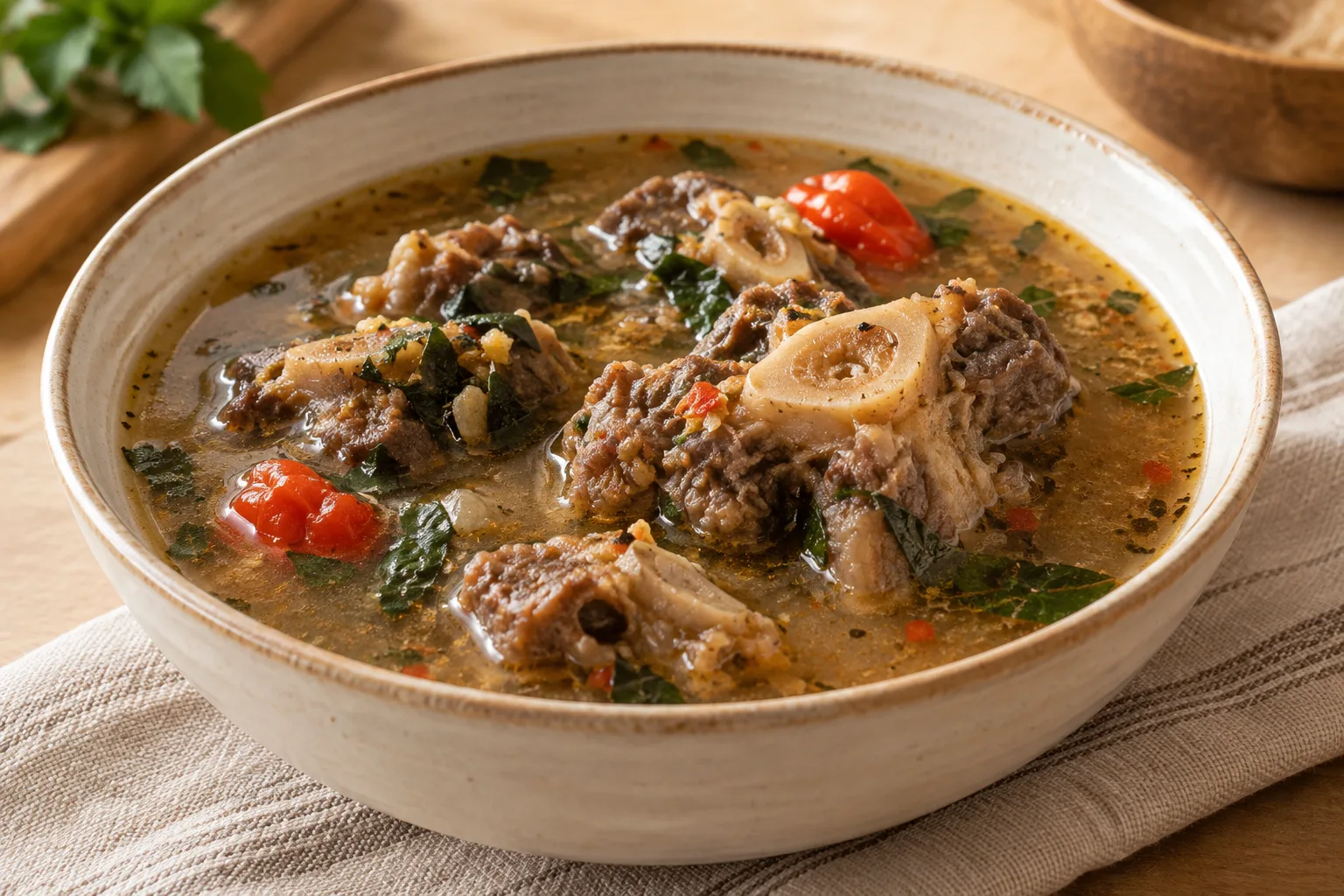
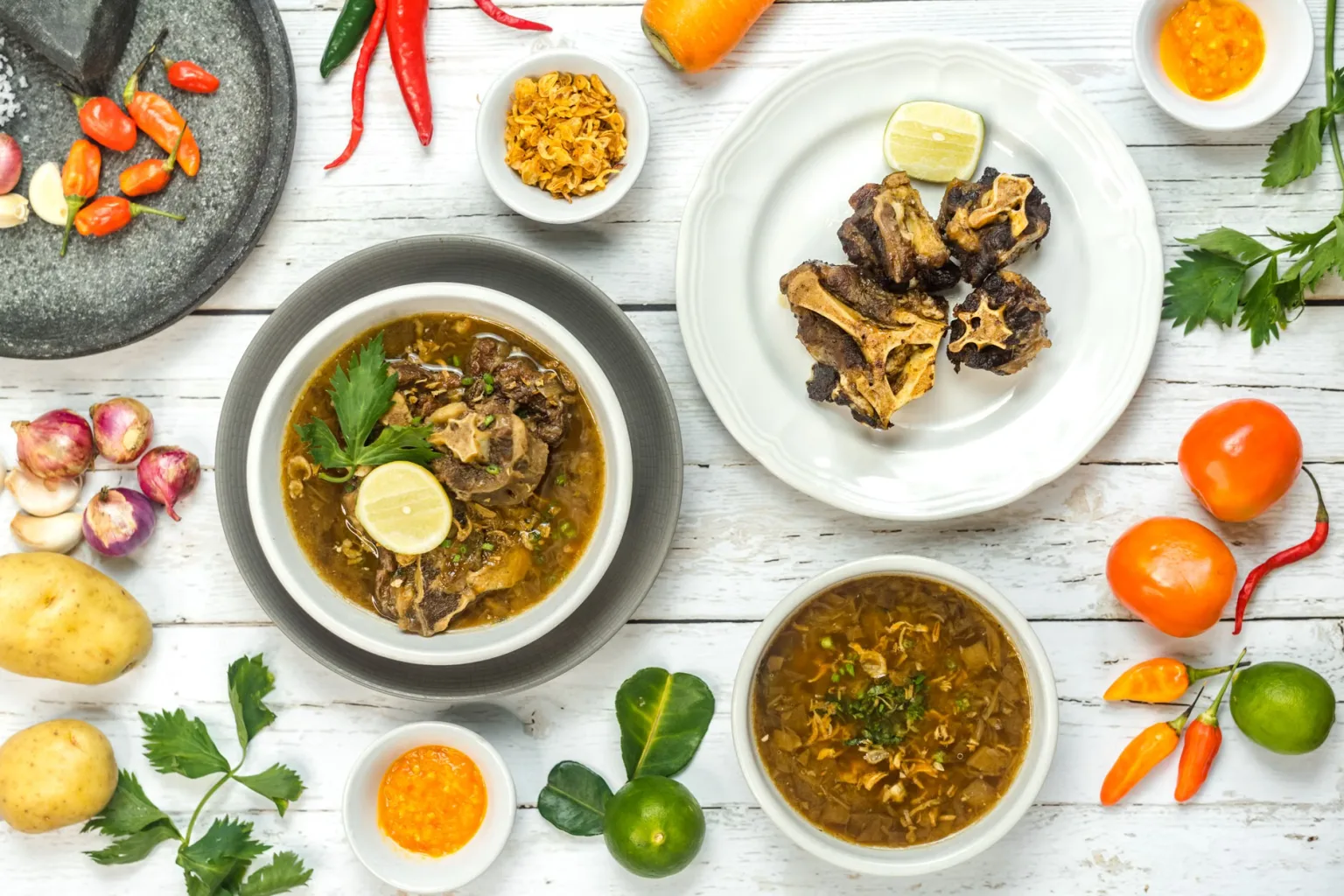
Beef oxtail is the tail of cattle, made up of sections near the final vertebrae. The available culinary source describes it as a cut containing bones and cartilage, with a gelatinous texture and pronounced flavor. It is commonly sold in sections and used in moist preparations such as stews and soups. Names for the cut can vary with the animal or market: the evidence mentions cow tail and ox tail as common choices for dishes sometimes called bull-tail stew. That dish name should not be taken as a guarantee about the particular animal the meat came from.
When to use it
Choose oxtail for a stew or soup in which the meat can cook slowly with liquid and other ingredients. It suits hearty, spoonable dishes and preparations where a tender texture and pronounced flavor are welcome. The source links it with stews containing onion, tomato, wine, and spices, as well as soups such as sancocho. It is not the best choice when you need a quick-cooking cut: the available evidence specifically says that it does not suit rapid cooking well.
How to use it
Use beef oxtail as the central ingredient in a stew or soup. The available source suggests combinations with onion, red wine, tomato, and spices, and also mentions carrot, potato, rice, and couscous. For a moist preparation, cook the pieces slowly in a dish with liquid rather than relying on a quick-cooking method. The source describes oxtail as containing bones and cartilage, so plan to serve it as bone-in pieces. It does not provide a universal cooking time or temperature; follow a reliable recipe and applicable official food-safety guidance for raw meat.
Flavour and texture
The culinary source describes cattle tail as having a pronounced flavor and a gelatinous texture, which it connects to the presence of bones and cartilage. The result will depend on the piece and preparation, so do not assume that every section has the same proportion of meat, bone, and cartilage. The strong profile works with onion, tomato, wine, and spices in the examples provided.
How to choose it
Look for clearly identified cattle-tail sections and ask the seller whether they can be cut to suit your intended dish. The source recommends paying attention to the quality of the raw ingredient and notes that a butcher may portion the cut. The market name may be cow tail, ox tail, or bull tail; ask which animal the meat comes from rather than inferring it from the name of a dish. The evidence does not establish objective visual freshness or quality standards.
Storage
The supplied evidence does not provide a sufficiently reliable, complete guide for setting refrigeration, freezing, or storage periods for beef oxtail. Store it according to the package instructions or applicable official food-safety advice in your area. Keep raw meat separate from ready-to-eat foods, and do not rely on a specific storage period unless it is supported by reliable guidance for the product you bought.
Substitutions
The available source mentions cow tail and ox tail as common alternatives to bull tail in this kind of preparation. They can therefore be reasonable options when available, although the name does not guarantee that every piece is identical. The evidence does not support recommending other cuts as exact equivalents or promising that they require the same treatment in a recipe.
Common mistakes
One mistake is treating oxtail as a quick-cooking cut: the available source says it does not suit rapid cooking well and associates it with slow preparations. Also, do not assume that “bull tail” on a dish name always identifies the animal used; the same source says that cow tail or ox tail may be used. Avoid asserting universal cooking times, temperatures, or storage periods without a reliable recipe or official guidance.
Safety and allergens
The supplied evidence identifies no oxtail-specific hazard and does not support setting cooking times or temperatures. Handle raw meat hygienically, prevent contact with ready-to-eat foods, and follow official food-safety guidance for your area.
Culinary uses
- Corte principal para guisos de cocción lenta
- Ingrediente para sopas y caldos sustanciosos
Recommended techniques
- Estofar lentamente
- Cocinar a fuego suave en un guiso o sopa
Pairs well with
- Cebolla, tomate y vino tinto
- Zanahoria, patata, arroz o cuscús
Frequently asked questions
What part of the animal is beef oxtail?
It is the tail of cattle, divided into sections near the final vertebrae. The available culinary source describes the pieces as containing bones and cartilage.
How is oxtail best cooked?
The evidence associates it with slow-cooked stews and soups and says it does not suit rapid cooking well. It does not provide a universal cooking time.
What ingredients go well with oxtail?
The source mentions onion, tomato, wine, and spices for stews, as well as carrot, potato, rice, and couscous as ingredients or accompaniments.
Estimated nutrition
- Fat
- 16.46 g
- Saturates
- 6.73 g
- Carbohydrate
- 0 g
- Sugars
- 0 g
- Fibre
- 0 g
- Protein
- 25.9 g
- Salt
- 0.89 g
Sources and review
Automatically researched, cross-checked and validated content. Sources consulted:
- REGLAMENTO (UE) No 1169/2011 DEL PARLAMENTO ... eletiquetadocuentamucho.aesan.gob.es
- ¿Por qué la muerte es origen de miedos y tabúes? doi.org
- The Essential Glossary of Cooking Terms for the Culinary Arts - Escoffier escoffier.edu
- informe anual de indicadores - agricultura, pesca y alimentación servicio.mapa.gob.es
- The Teaching Kitchen Collaborative Curriculum (TKCC) Pilot geiselmed.dartmouth.edu
- Comité Científico aesan.gob.es
- All Podcasts - World Food Policy Center wfpc.sanford.duke.edu
- View of Texas Travels: - IU ScholarWorks scholarworks.iu.edu
- Development and Reliability Testing of the Store CheckOUt ... p3rc.uic.edu
- - YouTube youtube.com
- Curiosidades del rabo de ternera - www.vacacool.com carnedeavila.org