- Category
- Drinks
- State
- Liquid
- Usual unit
- ml
What it is
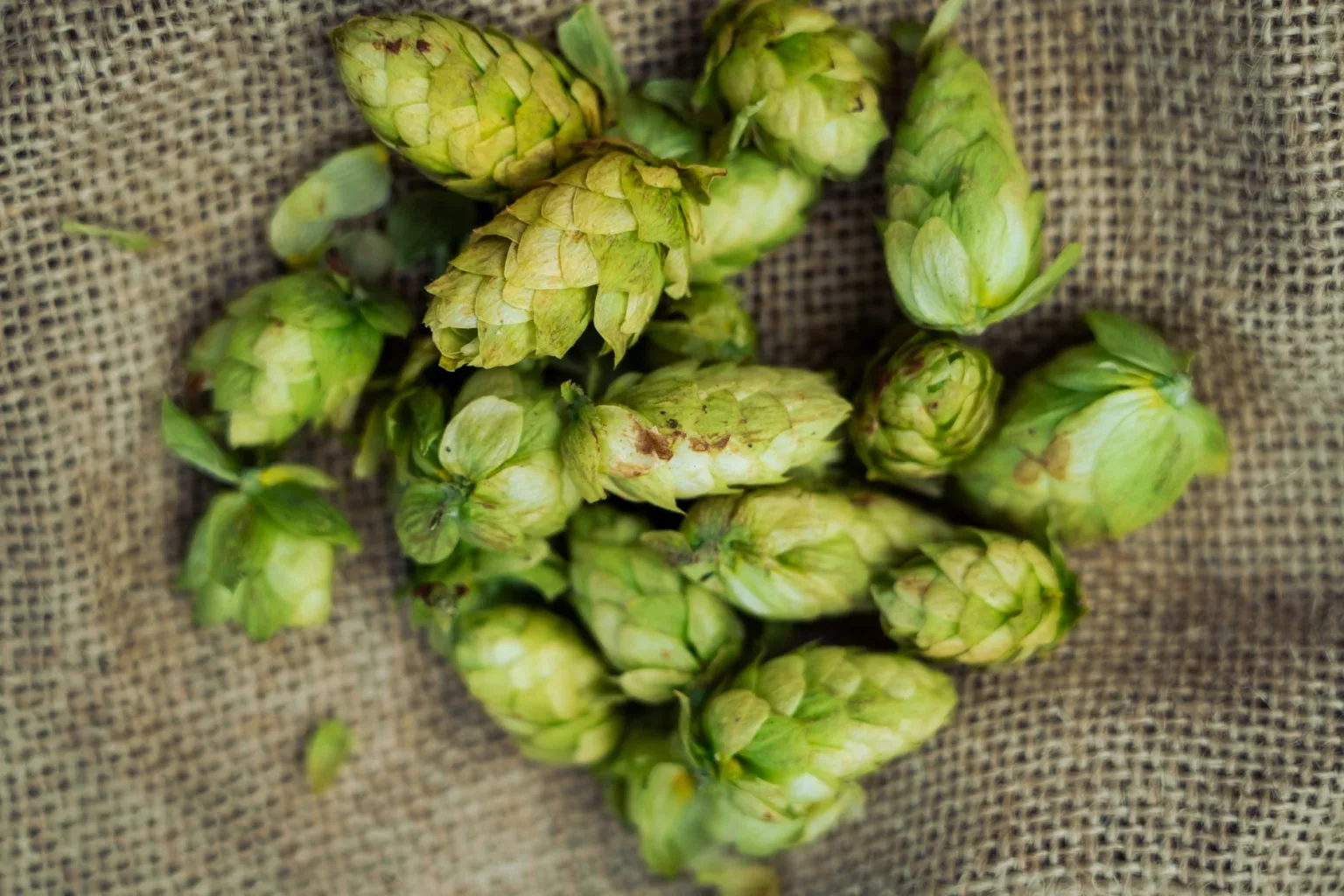
Beer is a beverage made by fermenting a wort prepared with barley or other cereals, water and yeast; hops are a common ingredient that contributes bitterness and aroma. Recipes and production methods yield many styles, with colors ranging from pale to dark and appearances that may be clear or cloudy. Alcohol content also varies, and alcohol-free beers exist. The generic name alone therefore does not tell you exactly what a particular bottle will be like: consult its label and product description for its stated name, ingredients and alcohol content.
When to use it
Use beer as a drink to serve or taste when the chosen style fits the occasion and the profile you want. It can also be used in cocktail preparations: combining herbs, spices or vegetables with drinks is a documented cocktail-making practice. Choose based on the product’s stated characteristics, not just the bottle color or the word beer. If alcohol content matters for the recipe or the person drinking it, check the label and consider an alcohol-free version; do not assume all versions have the same profile.
How to use it
Before serving beer or including it in a preparation, identify the style, appearance and alcohol content stated on the package; these details help you choose a product that suits the result you want. In cocktail making, herbs, spices or vegetables can be used as aromatic additions. If you gently muddle them to release aroma, press only as much as needed: crushing ingredients into a paste is not necessary for the cocktail technique described in the evidence. Infusion is also used in cocktail making, but the specific combination should suit the product and recipe. Follow any storage or use instructions on the package.
Flavour and texture
There is no single beer profile: colors range from pale to dark, and appearance can be clear or cloudy. Beer commonly has bitterness and may have bubbles and a foam head, but intensity and character differ among styles and ingredients. The label or producer’s description can help you understand the product; do not infer its flavor from color alone.
How to choose it
Choose a variety that suits the intended use and consult the style description when available. Check the product name and ingredient list; if you need to know its alcohol content, look for the stated strength on the package. Mandatory information and how it is presented can vary by product and method of sale, so ask the seller or consult the label if you have questions about a particular beer.
Storage
The available evidence does not establish one temperature or storage period for every beer. Check the package and follow the manufacturer’s instructions whenever it specifies special storage or use conditions. Keep the label accessible so you can consult those directions and product information; do not assume that every style or package needs the same care.
Substitutions
Alcohol-free beer can be an alternative when avoiding alcoholic beer, but check the label and do not assume its flavor or performance in a recipe will be identical. Another beer style may also be chosen if a change in color, aroma or flavor is acceptable; different varieties are not automatically sensory equivalents.
Common mistakes
Treating every beer as though it had the same color, appearance, flavor or alcohol content can lead to an unsuitable choice. Do not infer strength from style; check the label. In cocktail making, avoid crushing herbs and other ingredients into a paste when the aim is simply to release their aromas; gentle muddling is enough for that technique.
Safety and allergens
Alcohol content varies, and alcohol-free beers also exist. Read the label, especially if alcohol matters to the person drinking it or to the intended use. Follow the manufacturer’s storage and use directions; the available evidence does not establish one storage rule for all beers.
Culinary uses
- Bebida para servir y degustar; sus estilos varían en color, aspecto y perfil sensorial.
- Ingrediente para cócteles y otras preparaciones de coctelería, donde puede combinarse con hierbas, especias o verduras.
Recommended techniques
- Macerar suavemente hierbas, especias o verduras para liberar aroma en una preparación de coctelería, sin triturarlas hasta formar una pasta.
- Infusionar ingredientes aromáticos en una bebida o preparación de cóctel; el resultado dependerá de los ingredientes y de la cerveza elegida.
Pairs well with
- Hierbas aromáticas en preparaciones de coctelería.
- Especias o verduras utilizadas para aportar aroma y carácter a cócteles.
Frequently asked questions
Does every beer contain alcohol?
No. Alcohol-free beers exist, and alcohol content can vary between products. Check the product name and stated strength on the label.
Is beer always clear and pale?
No. Color varies, and beer can appear either clear or cloudy, depending on the product and style.
What can I combine with beer in cocktail making?
Herbs, spices and vegetables can be used in cocktail preparations. Choose a combination to suit the beer and the result you want.
Estimated nutrition
- Fat
- 0 g
- Saturates
- 0 g
- Carbohydrate
- 9.6 g
- Sugars
- 9.09 g
- Protein
- 0 g
- Salt
- 0.02 g
Sources and review
Automatically researched, cross-checked and validated content. Sources consulted:
- En el etiquetado alimentario hay algunas menciones que son obligatorias eletiquetadocuentamucho.aesan.gob.es
- Client Challenge doi.org
- CERVECERO ESPAÑOL aesan.gob.es
- Pennsylvania’s Alcohol Laws: Where to Buy and Views from an Outsider — CRAFT craft.chatham.edu
- cascade-culinary-institute.pdf - COCC Catalog catalog.cocc.edu
- Culinary Arts plcc.edu
- Culinary Mixology | Institute of Culinary Education ice.edu
- The Clean Kitchen Test | Home & Garden Information Center hgic.clemson.edu
- Food & Drink | Environmental Health & Safety ehs.ucsb.edu
- Culinary Arts (CUL) Courses < | Johnson & Wales University catalog.jwu.edu
- Pampered Chef Official Site | Pampered Chef US Site i-links.illinois.edu
- Cerveza - Wikipedia, la enciclopedia libre es.wikipedia.org
- El Universo de la Cerveza: Definición, Variedades, Elaboración y Mercado | Wiki Ciencias wikiciencias.net
- Cerveza Ingredientes: Guía Definitiva para Entender, Elegir y Elaborar una Cerveza Perfecta – Eatdrinkmore.es eatdrinkmore.es
- Cerveza artesanal. Qué es, origen, ingredientes y características cerveceriagolden.com