- Category
- Meat
- State
- Fresh
- Usual unit
- g
What it is
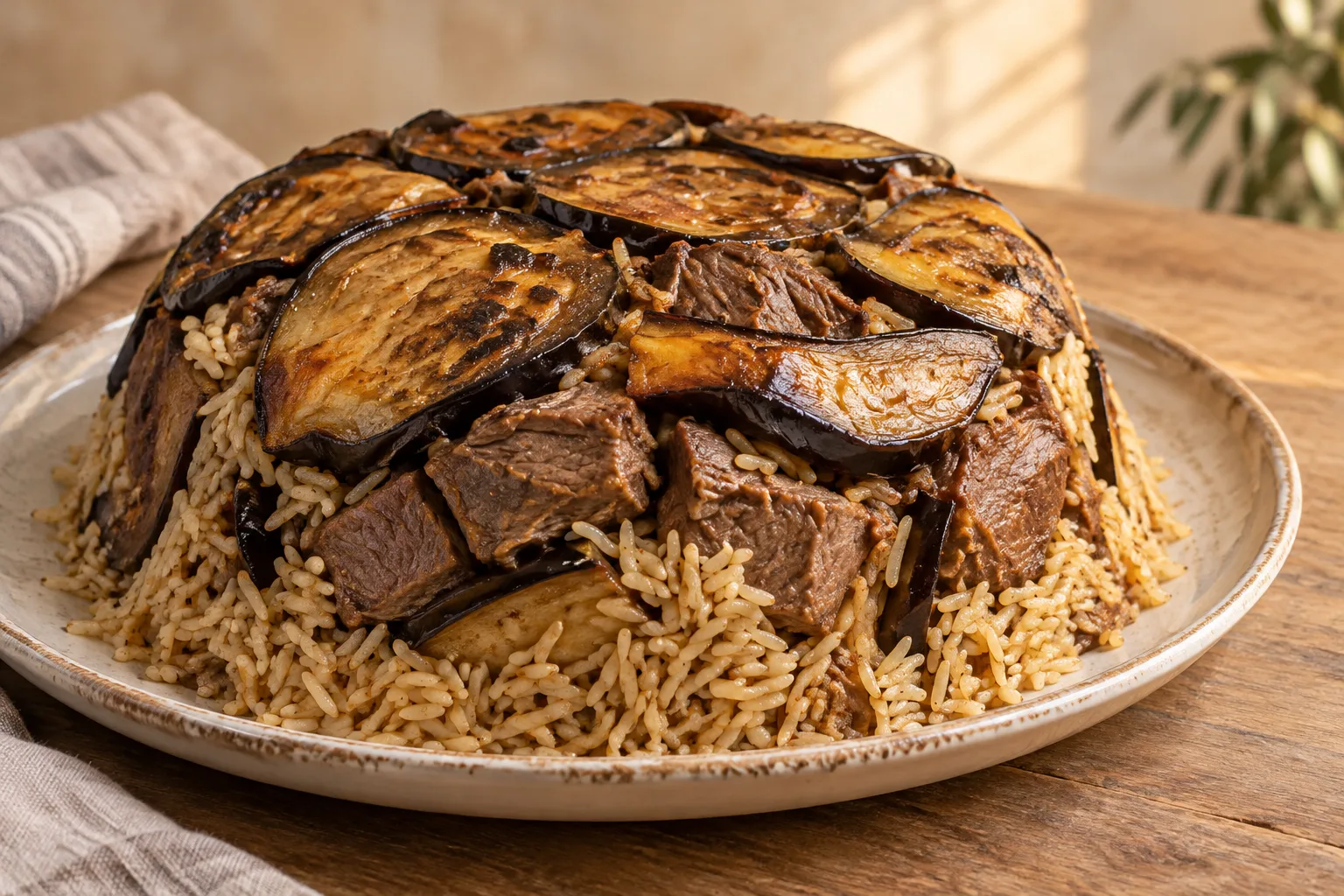
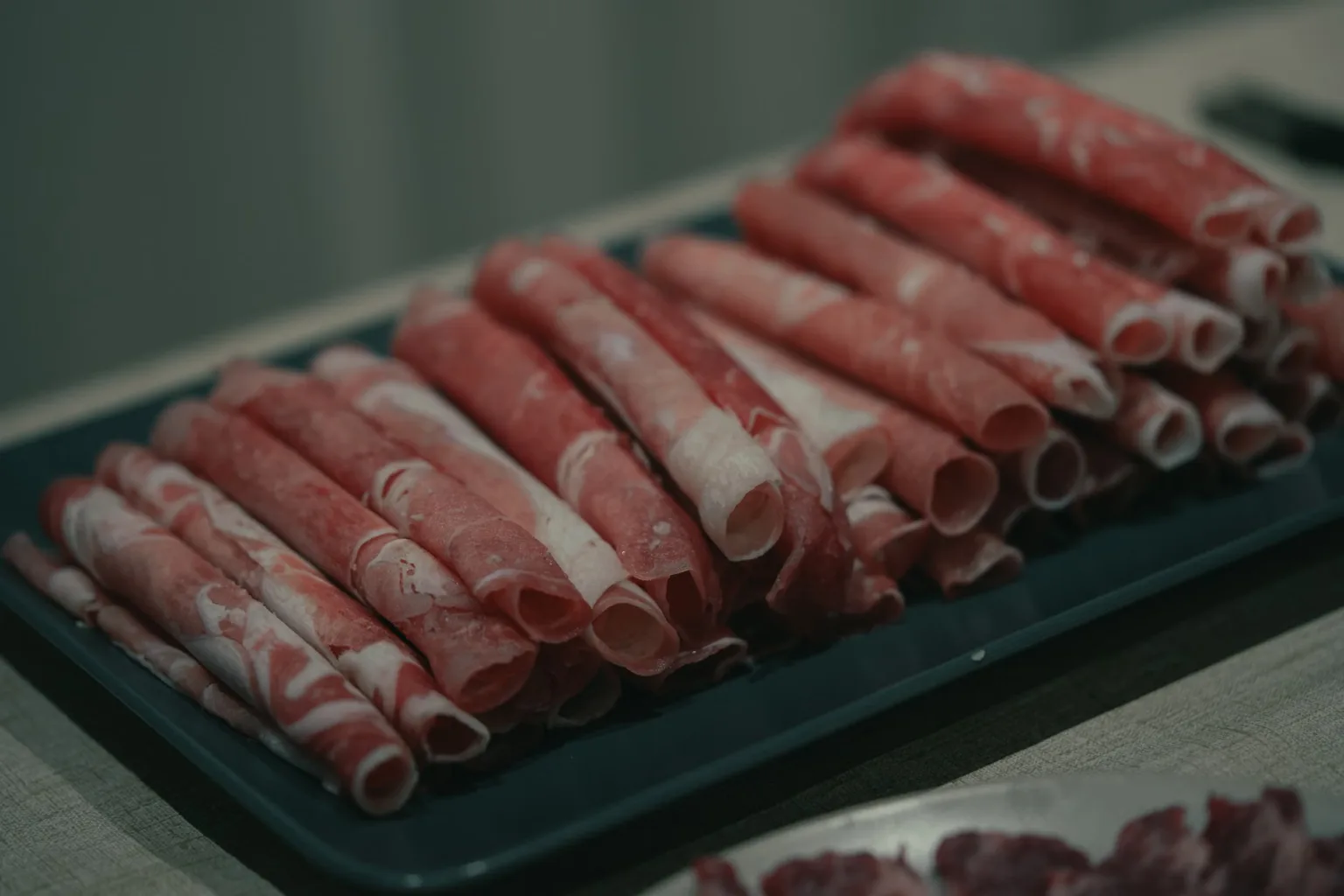
Boneless lamb is lamb meat from which the bone has been removed. The term does not identify one particular cut: it may refer, for example, to boneless leg or a boneless rack. Cut matters because different lamb pieces are used for different preparations; the recipes consulted use leg and shoulder for roasting and also describe diced pieces for stews. The animal’s age and lamb category can affect flavour intensity, so the generic name does not guarantee that every product tastes the same. Check which cut you are buying and how it has been prepared before choosing a cooking method.
When to use it
Choose boneless lamb when you want to portion, roll or slice the meat without removing bones at the table. A whole piece can be roasted and served in portions; diced meat is convenient for stews and braises. Boneless rack is also shown sliced and served with vegetables. Since “boneless” does not specify the cut, match the piece to the dish: ask whether it is leg, shoulder or another cut, and do not assume all pieces will cook in the same way.
How to use it
First identify the cut and format: a whole piece, a rack, slices or meat already diced. For a roast-style presentation, the recipes consulted use leg or rack; lamb is also roasted and served with vegetables or purée. For a one-pot dish, use diced lamb in a stew or braise. Griddling and grilling are other reported options for lamb, although the result depends on the cut and thickness. Pair it with potatoes, vegetable purées, aubergine or courgette, or add herbs such as thyme and rosemary. Follow the package directions and a reliable food-safety guide for handling and cooking; the available sources do not specify times or temperatures for this ingredient.
Flavour and texture
Flavour varies with the animal’s age: the culinary source consulted says meat from younger animals is more delicate and that flavour becomes more pronounced with age. There is no single flavour profile for all boneless lamb because the term covers different cuts. Tenderness also depends on the cut and cooking method; the available evidence describes cuts and preparations but does not establish a uniform texture for the product. Check the cut named by the seller rather than assuming every piece will be equally tender.
How to choose it
Ask which cut is in the package and whether it is a whole piece, sliced or diced; “boneless” only tells you that the bone has been removed. Leg, shoulder and rack appear as distinct cuts in the recipes consulted and should not be treated as interchangeable without considering the dish. If you plan to roast, choose a whole piece suited to that use; for a stew, ask whether it can be supplied diced. Check the package information and ask the butcher for guidance if the cut is not identified.
Storage
The available evidence does not establish storage times or temperatures for boneless lamb. Do not infer a safe storage period from this profile: follow the package instructions and the official recommendations that apply to fresh meat. Keep the meat in its packaging until use unless the label says otherwise, and contact the retailer or a food-safety authority if the package is damaged or information is missing. No refrigeration or freezing time is given here.
Substitutions
If the intended boneless cut is unavailable, ask for another boneless lamb cut that suits the preparation: the recipes consulted include leg, shoulder and rack. For a stew, the culinary source allows different lamb pieces cut into chunks. These options do not guarantee the same result; shape, size and possibly texture will differ. Confirm the cut and adapt the preparation rather than treating every piece as equivalent.
Common mistakes
A common mistake is assuming that “boneless lamb” names one particular cut; it may be leg, shoulder, rack or another format. Do not automatically use the same method for a whole piece and diced meat. Nor should you assume every product has the same flavour or tenderness: the source consulted notes that flavour intensity changes with the animal’s age. Finally, do not guess cooking times or temperatures; consult a reliable recipe and the package directions.
Safety and allergens
Handle the meat hygienically and follow the package directions and official food-safety recommendations. The official source included in the evidence is a general food-safety publications portal; it provides no warning or protocol specific to boneless lamb. No cooking times, temperatures or storage periods are supplied here.
Culinary uses
- Plato principal asado
- Base para guisos y estofados
- Carne para parrilla o plancha
Recommended techniques
- Asar al horno
- Guisar o estofar
- Cocinar a la plancha o a la parrilla
- Dorar la superficie tras una cocción previa
Pairs well with
- Patatas y purés de verduras
- Berenjena y calabacín
- Ajo, tomillo y romero
- Legumbres, incluido el hummus
Frequently asked questions
What does boneless lamb mean?
It means the bone has been removed, but it does not identify a particular cut. Check whether it is leg, shoulder, rack or another piece.
Can boneless lamb be used in stews?
Yes. The culinary evidence describes lamb stews and braises, including the use of diced meat. Check the cut and adapt the recipe.
Does young lamb taste the same as older lamb?
Not necessarily. The source consulted says meat from younger animals is more delicate and becomes more pronounced in flavour with age.
Estimated nutrition
- Fat
- 5.27 g
- Saturates
- 1.77 g
- Carbohydrate
- 0 g
- Sugars
- 0 g
- Fibre
- 0 g
- Protein
- 23.7 g
- Salt
- 0.15 g
Sources and review
Automatically researched, cross-checked and validated content. Sources consulted:
- elBulli: un nuevo lenguaje en la gastronomía repositorio.ucjc.edu
- EFECTOS SOBRE LA COMPOSICIÓN Y OXIDACIÓN LI diposit.ub.edu
- El cordero, base de nuestra cultura, gastronomía y economía | Cultura restaurantecain.es
- El cordero, un auténtico placer gastronómico - La Mesa Habla lamesahabla.com
- Publicaciones de Seguridad alimentaria aesan.gob.es
- Impacto del análisis sensorial y de la información sobre las ... is.upc.edu
- 75 CAPÍTULO IV CULMINACIÓN virtual.urbe.edu
- - YouTube youtube.com
- CORDERO ASADO DESHUESADO CON CREMA DE BERENJENAS | Raíz Culinaria Castilla-La Mancha raizculinaria.castillalamancha.es
- Carré deshuesado de cordero - Pedro Larumbe - Receta - Canal Cocina canalcocina.es
- El Cordero en el Mundo: 5 recetas internacionales grupopastores.coop
- Recetas Tradicionales con Cordero: Delicias de la Cocina Española - Cordero Serranía de Cuenca corderoserraniacuenca.com