- Category
- Grains, flour and pasta
- State
- Dry
- Usual unit
- g
What it is
Bulgur is a wheat product made by cooking or precooking the grain, drying it, and breaking or grinding it into pieces. It is then sorted by size and sold in fine, medium or coarse grades, among others. It is not the same as couscous: although both come from wheat, couscous is made from granulated semolina, while bulgur consists of pieces of grain. Because bulgur has already undergone a cooking process, it often needs less preparation than unprocessed wheat; however, not every grade is prepared in the same way. Grain size, package directions and the recipe determine whether it should be soaked or cooked.
When to use it
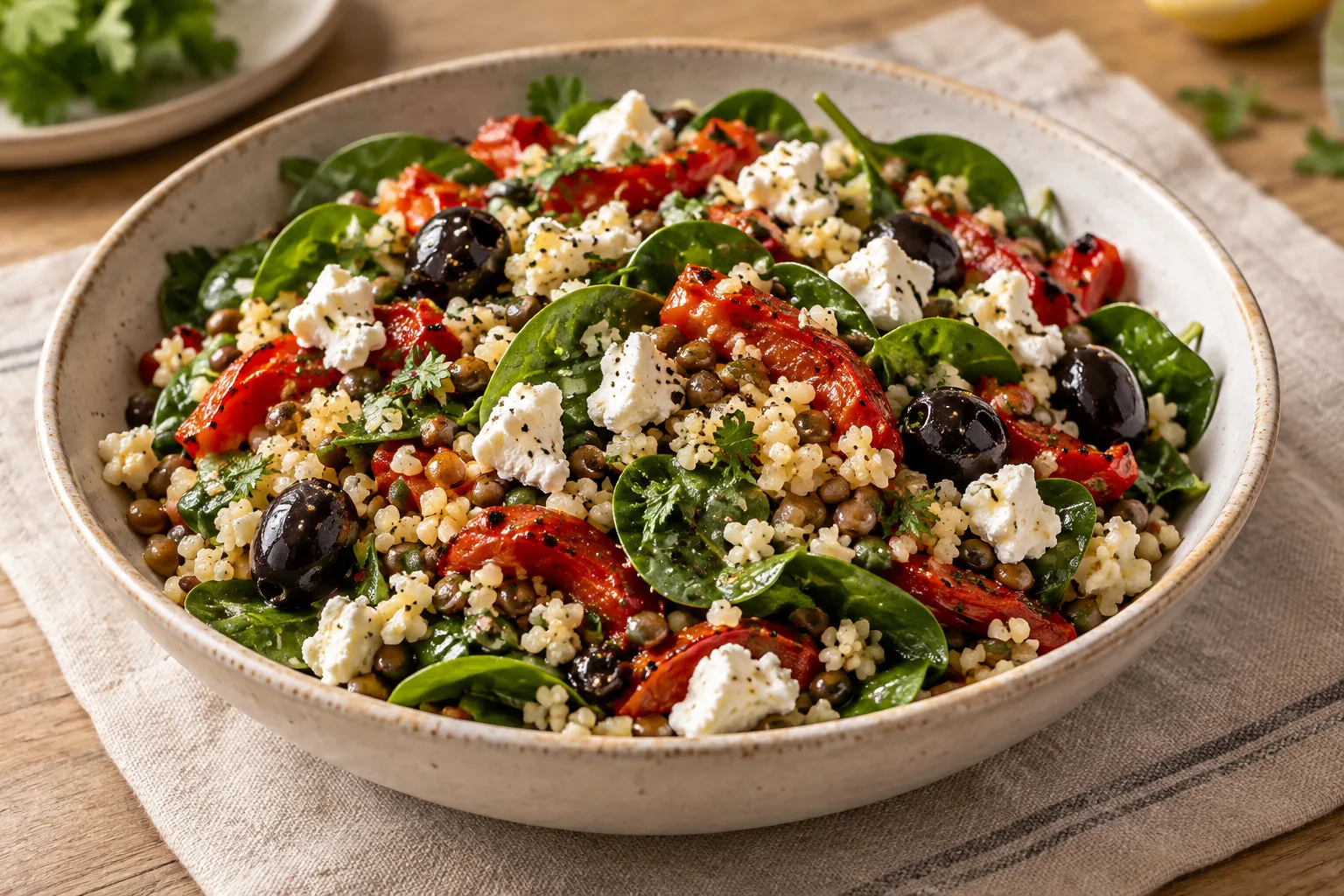
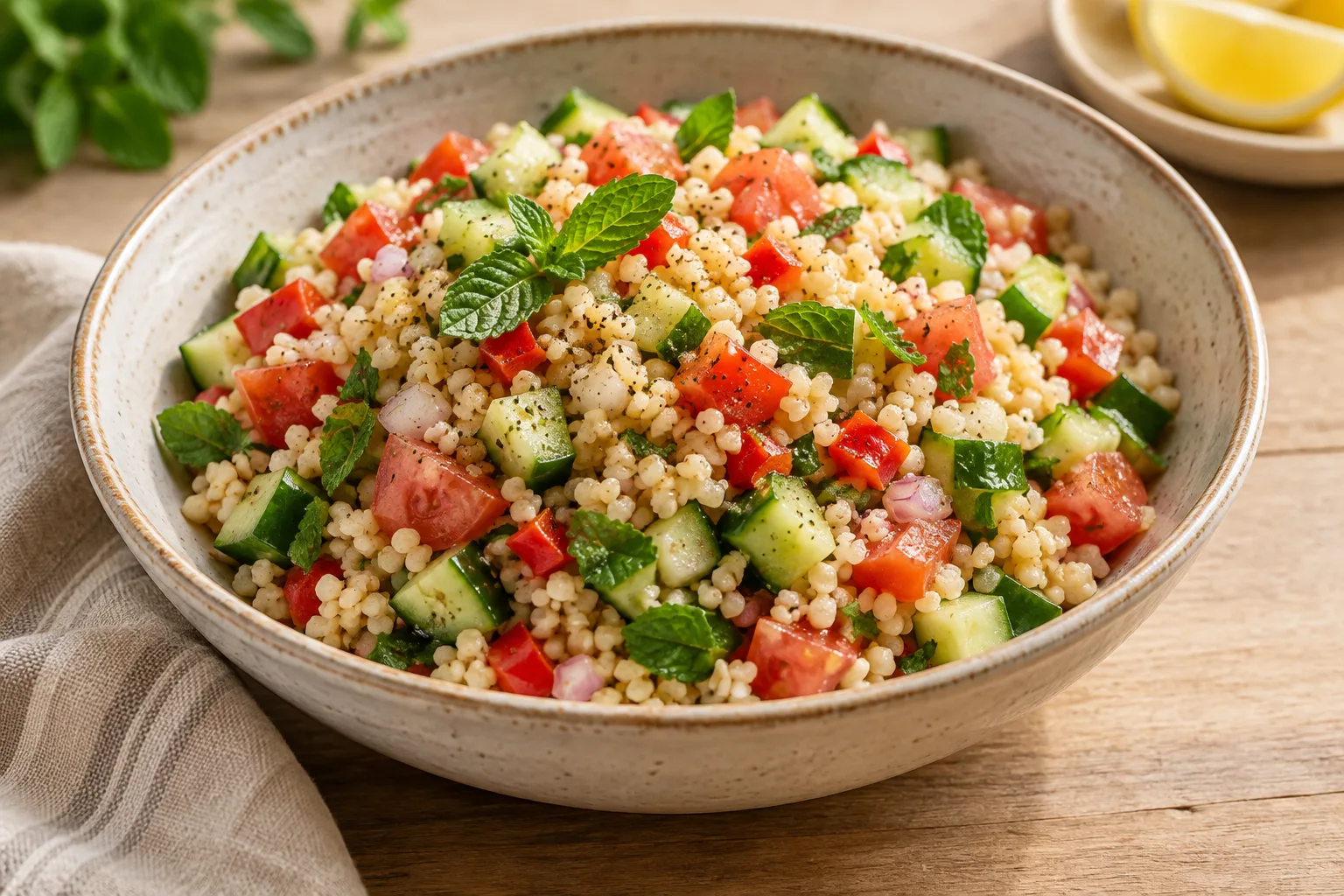
Choose fine bulgur for dishes where a delicate texture is useful, such as tabbouleh and other salads, or certain fillings. Medium and coarse grades add more body to pilafs, stews, soups and stuffed vegetables. Bulgur can also take the place of a grain base or serve as a side with vegetables, legumes, meat or fish. Before you begin, check the size and package directions: fine bulgur may be hydrated, while other grades need cooking. This avoids applying one method to every type of grain.
How to use it
First identify whether your bulgur is fine, medium or coarse, and check the package directions, since preparation varies by size and product. For a salad, hydrate fine bulgur if the package recommends it; once ready, let it cool or come to room temperature, then mix it with chopped vegetables, parsley or mint and a lemon dressing. For pilafs, soups, stews or fillings, choose a coarser grain when you want more texture and follow the manufacturer’s stated method and liquid ratio. You can also add it to a vegetable-burger mixture or serve it as a side. Do not assume every grade softens in the same way or that soaking always replaces cooking.
Flavour and texture
Bulgur has a mild, grain-like flavor with a lightly toasted note that can suggest nuts. Its understated taste pairs well with herbs, dressings, spices and stock without overpowering other ingredients. Grain size affects the eating texture: fine bulgur is more delicate, while coarse bulgur keeps a more pronounced bite. Properly prepared, it can be tender and separate, with a pleasant firmness; overcooking or overhydrating may make the grains lose definition.
How to choose it
Look on the package for the bulgur’s grain size or grade and the recommended preparation method. Fine grains are often chosen for salads and lighter dishes; coarser sizes are commonly used when a dish needs more body, such as a pilaf or stew. Check the ingredient list and allergen information, especially if you need to avoid wheat or gluten. Do not assume a product is gluten-free from its appearance or from the name of a dish: check the label and any specific statement made by the manufacturer.
Storage
Bulgur is commonly sold dry, but storage directions may depend on the product and package. Store it according to the label and reseal the pack after opening to protect the contents from moisture and contamination. If the manufacturer specifies particular conditions, follow those directions. Once prepared, treat it as cooked food and follow the package or applicable official food-storage guidance; the evidence available here does not establish a universal storage period for cooked bulgur.
Substitutions
Quinoa can replace bulgur when a gluten-free alternative is needed, but its preparation and texture differ. Rice can also work as a base or side, though the result will not be the same. Couscous can play a similar role in a dish, but it is made from wheat semolina and is not the same product; it is also not suitable when avoiding gluten. Adjust liquid and cooking to the directions for the substitute you choose.
Common mistakes
A common mistake is treating fine and coarse bulgur as interchangeable: grain size affects texture and preparation. It is also sometimes confused with couscous, although they are different wheat products. Do not follow a generic ratio or timing without checking the package, and avoid overcooking if you want the grains to remain distinct. Finally, do not consider bulgur gluten-free: it is a wheat product unless the specific product is reliably labelled otherwise.
Safety and allergens
Bulgur is made from wheat and contains gluten; it is not suitable for people who must avoid gluten unless advised otherwise by a professional and the product has been verified. Always check the label and allergen information. AESAN issued an alert about an organic wholegrain bulgur product incorrectly labelled gluten-free; use this as a reason to verify labels, not as evidence that all products are the same.
Culinary uses
- Base para ensaladas y platos de cereales
- Guarnición o ingrediente de sopas, guisos y rellenos
- Aglutinante para hamburguesas y albóndigas vegetales
Recommended techniques
- Hidratar con líquido caliente, según el tamaño del grano y las instrucciones del envase
- Cocer brevemente en agua o caldo cuando la variedad lo requiera
- Mezclar ya hidratado con hierbas, verduras y aliño
Pairs well with
- Tomate, pepino, perejil, menta y limón
- Verduras, lentejas, garbanzos y cebolla
- Caldo, especias y hierbas aromáticas
Frequently asked questions
Is bulgur the same as couscous?
No. Both come from wheat, but bulgur is made from cooked or precooked grains that are dried and cracked; couscous is made from granulated semolina.
Which bulgur size is best for salad?
Fine bulgur is commonly chosen for tabbouleh and other salads. Check the package, since preparation methods can vary between products.
Does bulgur contain gluten?
Yes. Bulgur is a wheat product. Check the label, and do not rely only on a front-of-pack claim if you need to avoid gluten.
Estimated nutrition
- Fat
- 0.24 g
- Saturates
- 0.04 g
- Carbohydrate
- 18.6 g
- Sugars
- 0.1 g
- Fibre
- 4.5 g
- Protein
- 3.08 g
- Salt
- 0.01 g
Sources and review
Automatically researched, cross-checked and validated content. Sources consulted:
- En el etiquetado alimentario hay algunas menciones que son obligatorias eletiquetadocuentamucho.aesan.gob.es
- Client Challenge doi.org
- Aesan - Agencia Española de Seguridad Alimentaria y Nutrición aesan.gob.es
- ¿Qué es el bulgur y cómo usarlo en recetas? | Recetas Nestlé recetasnestle.com.co
- Bulgur: qué es, propiedades y cómo cocinar este cereal integral hogarmania.com
- Redescubriendo el bulgur, el derivado del trigo favorito de Oriente Medio: propiedades, beneficios y recetas para cocinarlo directoalpaladar.com
- ¿Qué es el bulgur? descubriendo el derivado del trigo | El arte de comer bien | mentta mentta.com
- Bulgur - Wikipedia, la enciclopedia libre es.wikipedia.org
- Bulgur: qué es, propiedades y beneficios, usos en la cocina de este trigo bonviveur.com
- Bulgur: qué es, propiedades y beneficios, recetas... zonawod.com
- ▷ ¿Qué es el bulgur y para qué sirve? | Como Cocinar y Comer comococinarocomer.com
- ¿Qué es el bulgur? Tipos de cocción y recetas 20minutos.es
- Los 9 mejores sustitutos de bulgur para sus recetas - Cook & Logic cookandlogic.com
- Cuscús y Bulgur: Innovaciones en la Cocina | Actualizado 2026 lulat.es
- Bulgur: qué es, recetas y cómo se cocina fácilmente | Cocinatis cocinatis.com
- Cocina con bulgur #SinCocinar y #SinReceta | CocinaSinReceta.com cocinasinreceta.com
- 3 formas de cocinar bulgur - wikiHow es.wikihow.com
- 5 recetas con Bulgur (trigo Burgol) - Paulina Cocina paulinacocina.net