- Category
- Dairy and eggs
- State
- Fresh
- Usual unit
- g
What it is
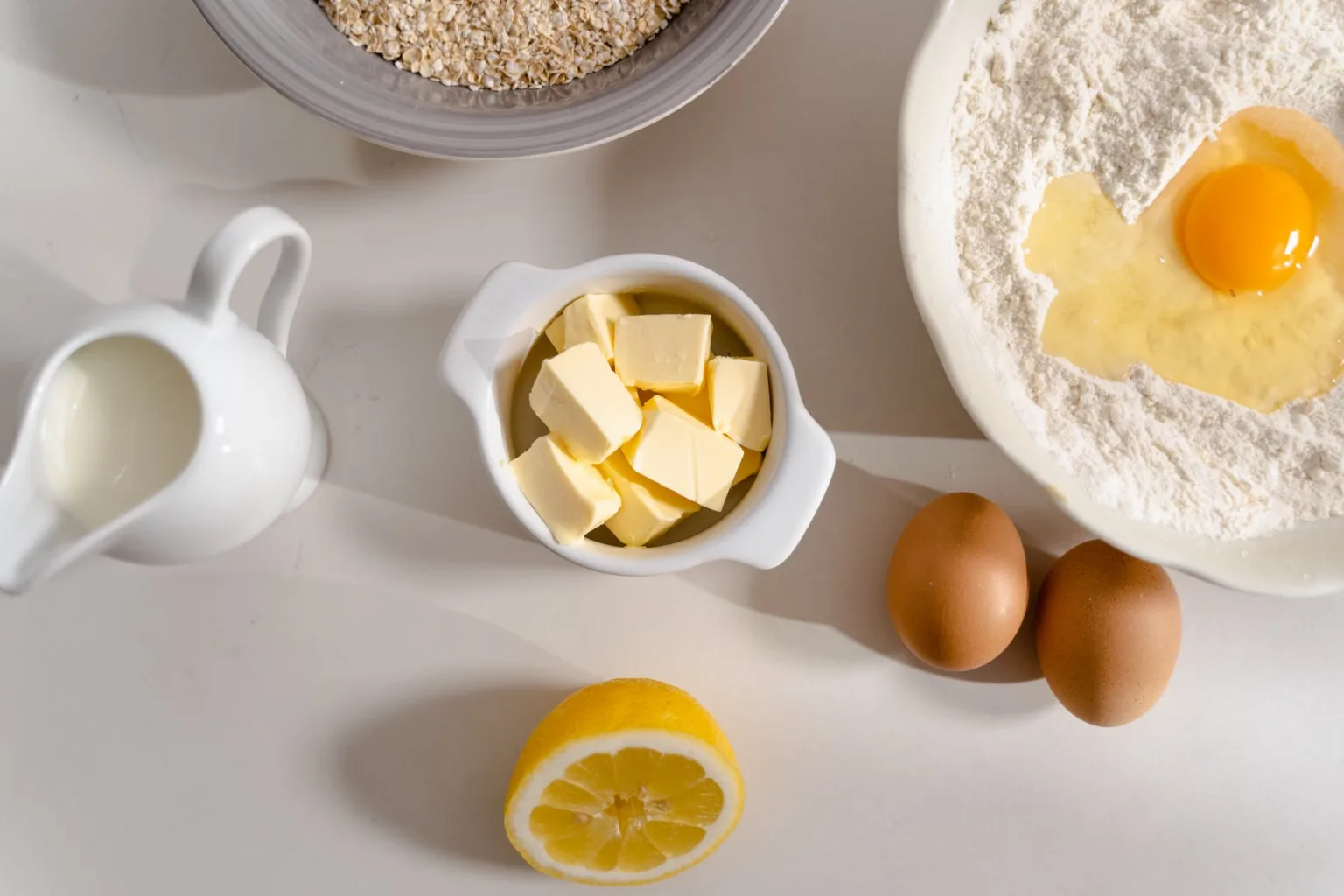
Butter is a dairy product made by churning cream and is described as an emulsion of milk fat and water. Butter for a filling is not a separate product; it is butter intended to be combined with other ingredients in a sweet preparation. A documented pastry recipe adds softened butter to a chocolate-and-cream mixture that has already been emulsified, then whips it until the texture changes and holds. Butter consistency can vary, and salted and unsalted varieties are available. Check what the recipe calls for. This profile retains the supplied reference unit: grams.
When to use it
Use it when a filling recipe calls for butter to add richness or form part of a creamy mixture. One documented example is a chocolate preparation for filled cookies, where softened butter is added after the chocolate and cream have been mixed. It may also be used in other fillings when the recipe specifies it. Do not automatically add it to every filling: the quantity, timing, and desired texture depend on the formula.
How to use it
Start by following the recipe’s quantities and order of operations. In the documented cookie filling, melted chocolate is combined gradually with cream while mixing to form an emulsion; softened butter is then added and whipped until the preparation changes texture and holds its shape. Softened butter is pliable, not liquid. Incorporate it as directed, and do not assume this method applies to every filling. The professional recipe documents one specific procedure, not a universal rule or a quantity suitable for every preparation.
Flavour and texture
Butter contributes a rich, fatty mouthfeel, and its consistency depends on the proportions of its components. The evidence describes both firmer and more spreadable butters; salted and unsalted varieties are also available. In a filling, the final texture also depends on the other ingredients and how the butter is incorporated. The available information does not establish one flavor profile for every product, so consider the specific variety and recipe.
How to choose it
Check that the product is butter rather than another fat, and see whether it is salted or unsalted before buying it for a recipe. Consistency can vary, so it is useful to choose a product that can be worked as the filling instructions require. The sources describe different consistencies and salted or unsalted varieties, but give no specific quality criteria or brand recommendations.
Storage
Keep butter in its original wrapper or container, protected from light and nearby odors, and also follow the package directions. A culinary source notes that butter can absorb odors and that light and heat may affect its flavor. This profile does not set a storage time or temperature: check the manufacturer’s instructions rather than inferring a storage period from this information.
Substitutions
The available information indicates that other fats are used in pastry, but it does not identify specific filling substitutes or establish equivalents. Before replacing butter, check that the recipe allows the change and assess the resulting texture. Do not assume another fat will work in the same amount or produce the same result; the choice should depend on the specific formula.
Common mistakes
Do not confuse softened butter with melted butter: the cited filling recipe calls for softened butter. Also check whether the recipe specifies salted or unsalted butter, and avoid changing the fat without reviewing the formula. Adding it at a different stage may change the preparation. The available recipe documents one method, not a universal procedure for every filling.
Safety and allergens
The supplied evidence contains no specific official warning for butter intended for fillings and sets no safety times or temperatures. Follow the package and manufacturer’s instructions; this profile does not set a storage period or replace that guidance.
Culinary uses
- Enriquecer rellenos de repostería
- Aportar grasa y textura a preparaciones dulces
Recommended techniques
- Incorporar mantequilla blanda según la receta
- Batir una mezcla de relleno después de añadir mantequilla
Pairs well with
- Chocolate y nata en una preparación de relleno
- Masa sablé y relleno de fruta en una elaboración de pastelería
Frequently asked questions
What does softened butter mean?
It means pliable butter, not liquid. In the documented recipe, it is added after the chocolate and cream have been emulsified.
Can I use salted butter?
Butter is available salted or unsalted. Check what the recipe specifies; the available information does not establish a universal equivalence between the two.
Can I replace it with another fat?
Other fats are used in pastry, but no specific filling substitutes or equivalents are provided. Make the change only if the recipe allows it.
Sources and review
Automatically researched, cross-checked and validated content. Sources consulted:
- Client Challenge doi.org
- The Essential Glossary of Cooking Terms for the Culinary Arts - Escoffier escoffier.edu
- Mantequilla - Wikipedia, la enciclopedia libre es.wikipedia.org
- La importancia de la mantequilla en la cocina friolisa.es
- educational content to support healthful lifestyle practices sjsu.edu
- Dictionary of Health Related Terms: English – Spanish hia.berkeley.edu
- Comité Científico aesan.gob.es
- Recetas del chef Benjamin Estienne cordonbleu.edu
- Usos culinarios de la mantequilla – Mantequilla Lorenzana mantequillalorenzana.com
- Vamos a Conservar Alimentos: Rellenos de fruta para tartas, tortas y pasteles extension.psu.edu
- Supervivencia Básica: Alimentos | Servicio de Extensión de OSU extension.oregonstate.edu
- Glimpses of an 18th century Colonial Kitchen in Manila archium.ateneo.edu
- End of Week Message: Celebrating CPS Champions | Chicago Public Schools cps.edu
- Mantequilla, nunca una grasa fue tan útil directoalpaladar.com