- Category
- Fish and seafood
- State
- Preserved
- Usual unit
- filet
What it is
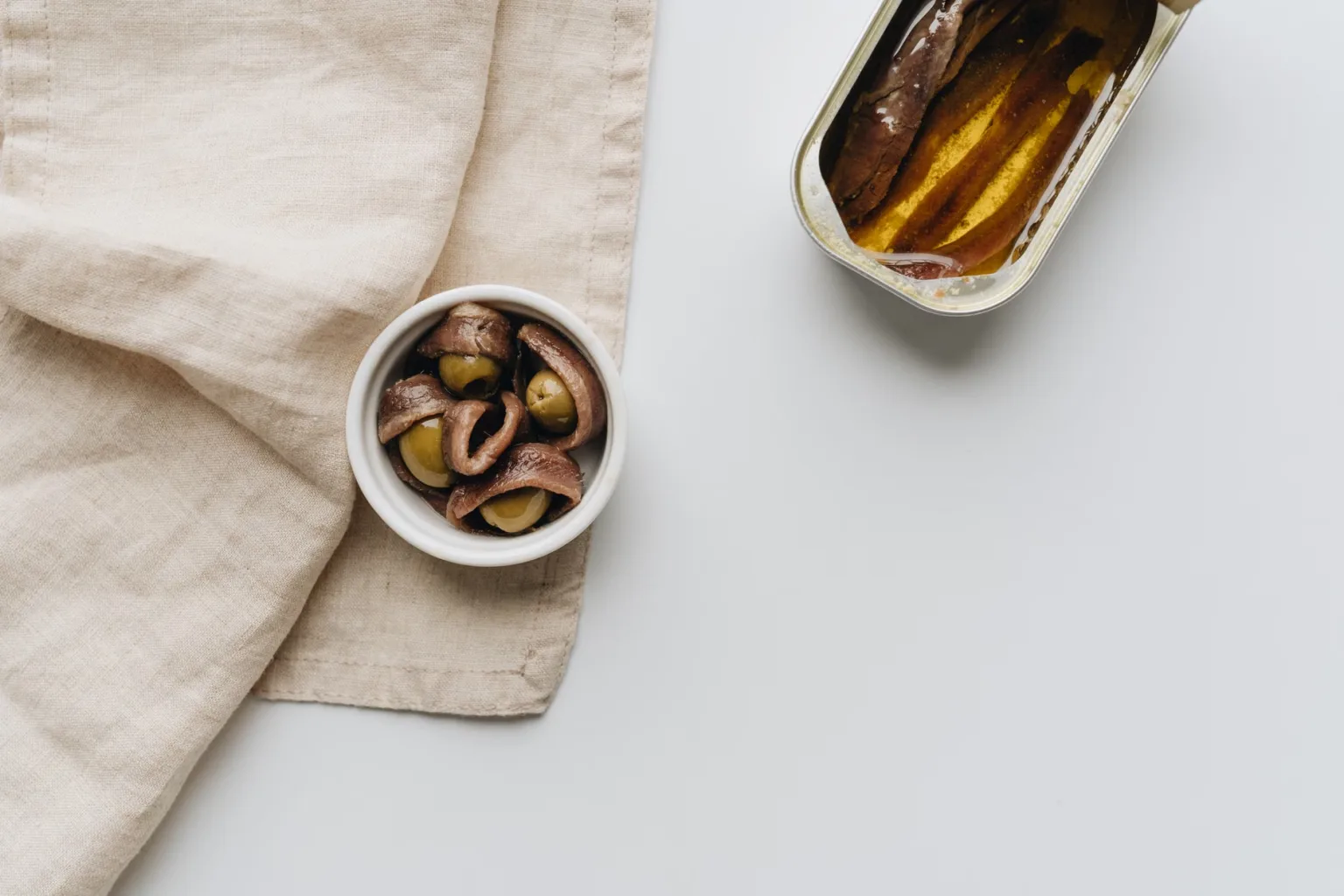
Canned anchovies are anchovies prepared and packaged for preservation; the name does not describe one single, uniform preparation. They may be sold as fillets in oil, salt-preserved anchovies or anchovies in escabeche. Salt-preserved anchovies commonly undergo maturation in salt before being made into fillets, while oil-packed products have a different presentation and preserving medium. The European anchovy species cited in the evidence is Engraulis encrasicolus, in the family Engraulidae. The exact flavor and texture depend on the product style and the preparation described on its label.
When to use it
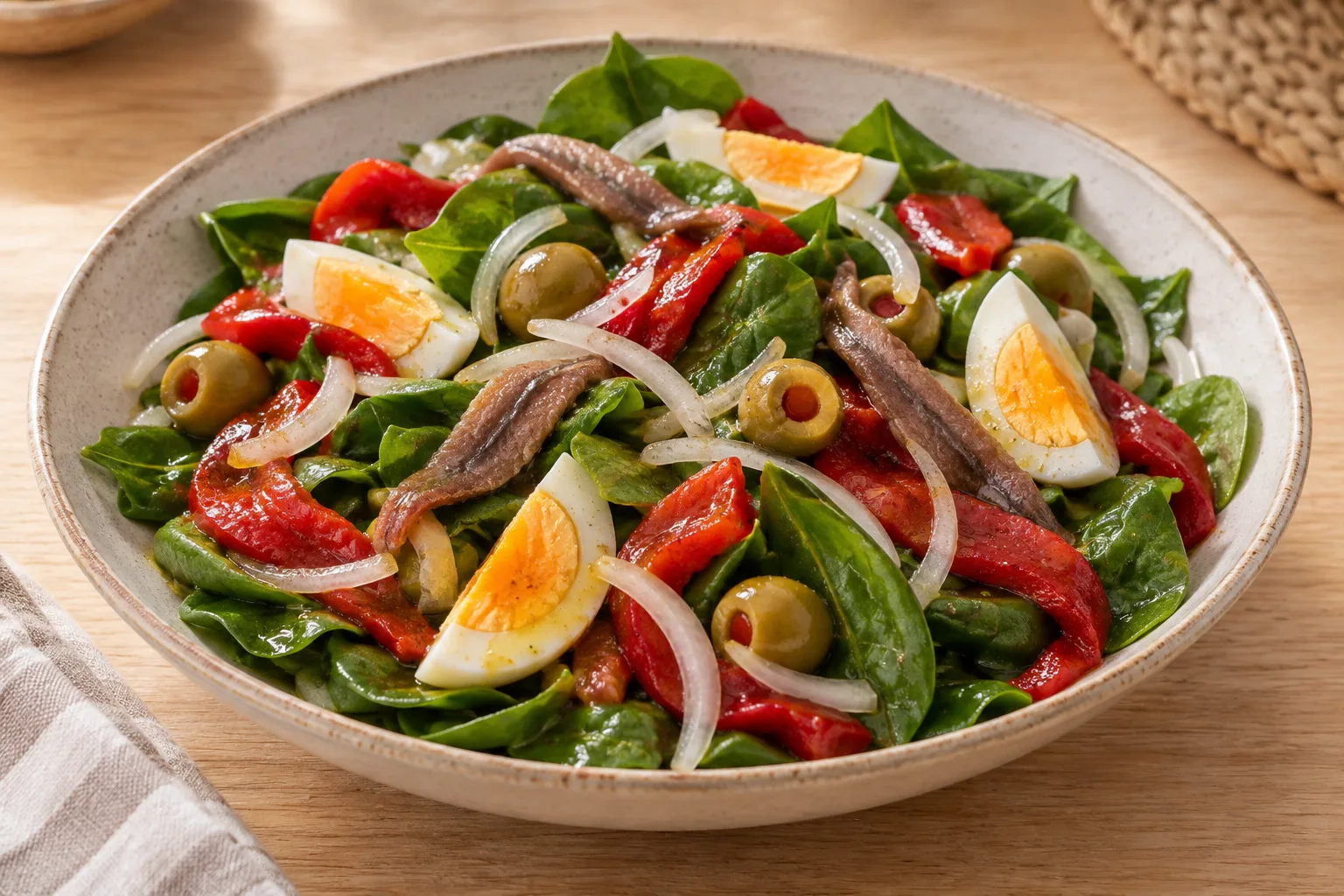
Use anchovies when you want to add an intense, savory, marine note to a dish, or when a fillet can be the centerpiece of a simple snack. They work on toast with tomato and can also be added to salads, pasta, pizza, sauces or vinaigrettes. Since intensity varies by product and style, start with a modest amount and taste before adding more salt. Choose the type of preserve that suits the dish, and follow the package directions.
How to use it
For a simple snack, place a fillet on a slice of toasted bread, with tomato if you like, and serve it as a small bite. You can also break up or stir anchovies into pasta, a sauce or a vinaigrette to spread their flavor throughout the dish. Add them as a topping or featured ingredient in salads and on pizza. Taste before seasoning: anchovies contribute saltiness and may mean that less added salt is needed. Salt-preserved anchovies are a different format from ready-to-use fillets and need preparation before use; follow the product directions.
Flavour and texture
Their flavor is generally savory, briny and intense, though it varies with the style: oil-packed, salt-preserved or escabeche. Oil-packed fillets can be meaty and firm; salt maturation is associated with a more intense taste and a redder color. When broken up or mixed into a sauce, anchovies spread flavor through the dish without needing to be served as whole fillets.
How to choose it
Read the product name and ingredient list to tell whether you are buying fillets in oil, salt-preserved anchovies or an escabeche preparation. Also check the net quantity, date marking and product-specific storage and use instructions. If you want to serve whole pieces, choose a fillet format; for a sauce or vinaigrette, you can break up the fillets or use anchovy paste.
Storage
Follow the storage directions printed on the package, both before and after opening. Storage information can differ by product style, so do not assume that every anchovy preserve should be stored in the same way. Also observe the date marking and any use instructions on the label.
Substitutions
Anchovy paste can serve a similar purpose in sauces or vinaigrettes, but its texture and format differ from a fillet. Salt-preserved anchovies can also provide anchovy flavor, but they are a different product format and require preparation before use. Adjust to taste and taste before adding salt; the available evidence does not establish a fixed quantity conversion.
Common mistakes
A common mistake is adding salt before tasting: anchovies bring a pronounced salty flavor. Do not treat oil-packed fillets, salt-preserved anchovies and escabeche preparations as interchangeable in every respect, since their formats and preserving media differ. Do not guess how to store a product after opening; check its label.
Safety and allergens
Anchovies are fish. Check the package for ingredient and allergen information, and follow the manufacturer’s specific storage, duration and safe-use instructions. If you do not have the product label, do not assume that its ingredients or storage needs are the same as those of another style.
Culinary uses
- Aportar sabor marino, salino e intenso a platos y salsas.
- Servir como ingrediente principal en aperitivos y tostadas.
Recommended techniques
- Añadir filetes enteros o desmenuzados sobre pan, ensaladas o pizza.
- Incorporar anchoas a salsas, pastas o vinagretas para distribuir su sabor.
Pairs well with
- Pan tostado y tomate.
- Pasta, aceitunas y alcaparras.
- Ensaladas y aceite de oliva.
Frequently asked questions
Are all canned anchovies packed in oil?
No. They may also be salt-preserved or packed in escabeche. Check the product name and ingredient list to identify the style.
How can I use canned anchovies?
Serve fillets on toast or add them to pasta, salads, pizza, sauces and vinaigrettes. Taste the dish before adding salt.
How should I store them after opening?
Follow the package directions. Guidance can depend on the product style, so do not assume that every product has the same storage requirements.
Sources and review
Automatically researched, cross-checked and validated content. Sources consulted:
- En el etiquetado alimentario hay algunas menciones que son obligatorias eletiquetadocuentamucho.aesan.gob.es
- Romanica Olomucensia : «¿Qué pinga es esto?». Usos disfemísticos en el español de Cuba doi.org
- Mayonesa - Wikipedia, la enciclopedia libre es.wikipedia.org
- Proceso de Elaboración de las Anchoas en Conserva anchoasdeluxe.com
- Las deliciosas anchoas: origen, variedades y recetas tradicionales solococinar.com
- Anchoas en conserva | Blog | Calidad Gourmet, alimentacion online calidadgourmet.com
- Anchoas del cantábrico: las mejores anchoas en conserva jamonarium.com
- Anchoas del Cantábrico en conserva | Conservas Ortiz conservasortiz.com
- La tradición de las conservas de anchoa: de Italia a Santoña y su impacto en las conservas gourmet - Conservas Hoya conservashoya.com
- Anchoas: beneficios y usos culinarios mercantilmx.com
- Cocinar con Anchoas: Sabores Delicados que Transforman tus Platos – Conservas Ana Maria conservasanamaria.com
- Chef Anchovy Tips: Pro Technique and Flavor Enhancement | Bacalalo bacalalo.com
- 9 mejores sustitutos de las anchoas - NewFoodHub nwfoodhub.com
- Recetas con conservas gourmet para sorprender a tus invitados estoyhechouncocinillas.com
- Tapas españolas con conservas: 10 Ideas | laalacena.com conservaslaalacena.com
- ¿Como hacer anchoas en conserva? | ConservasJuanjo conservasjuanjo.net