- Category
- Vegetables
- State
- Canned
- Usual unit
- unit
What it is
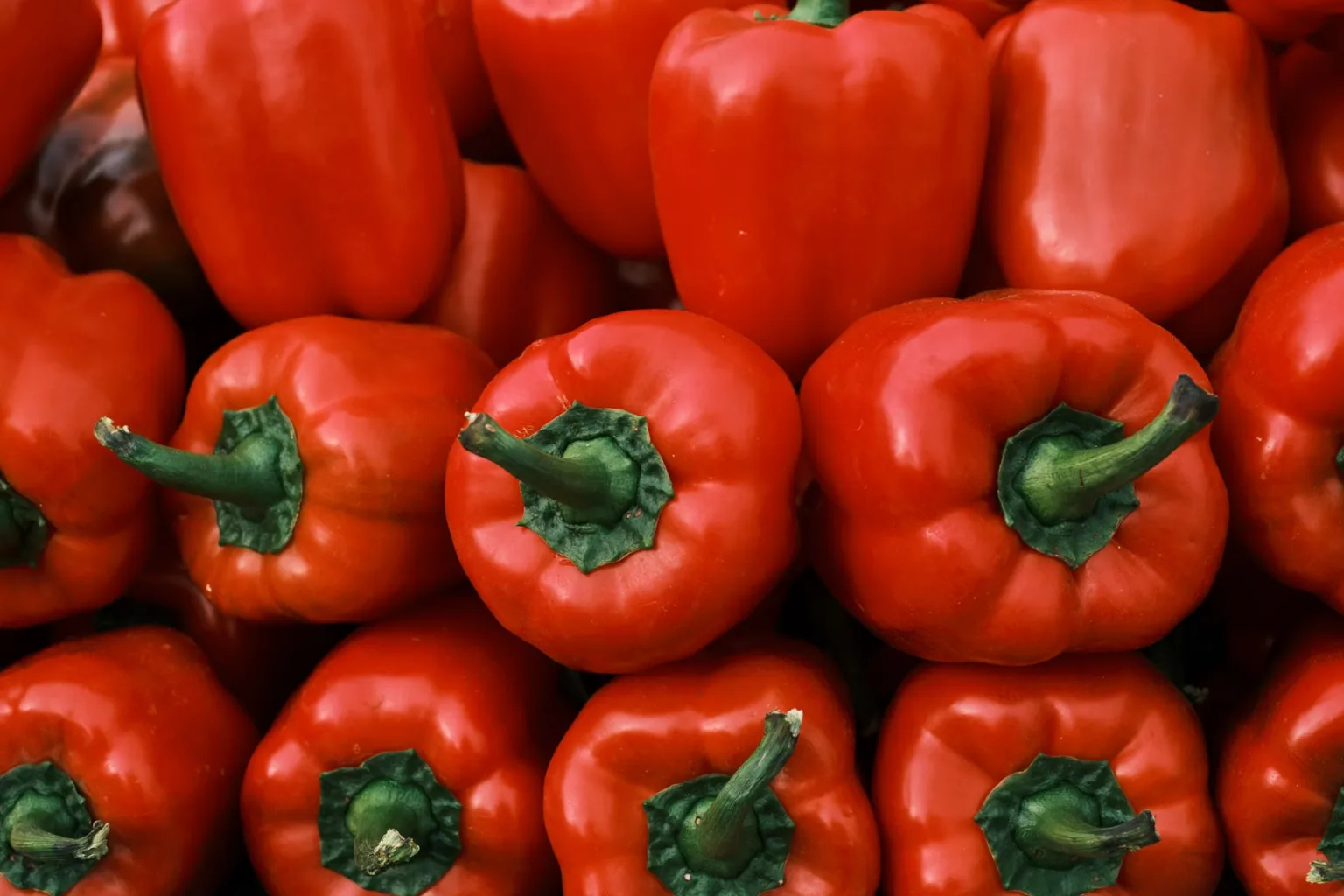
Canned piquillo pepper is a packaged vegetable sold whole or in strips, depending on the product. Piquillo peppers are commercially described as red, sweet and soft in texture, but the precise qualities can differ between brands and formats. The canned form makes the ingredient available without preparing peppers from scratch. Not every jar or tin necessarily contains the same ingredients or packing liquid, so check the label. This profile concerns the canned product, not fresh peppers or a home-canning recipe.
When to use it
Use canned piquillo peppers when you want a prepared vegetable component without roasting and peeling peppers at home. Whole pieces can provide a base for a filling, while strips are convenient for spreading over other ingredients or folding into a dish. They can also be served as part of a tapa. Before choosing how to use them, check whether the pack contains whole peppers or cut pieces and read the ingredient list: products can differ in preparation and in the liquid packed with them.
How to use it
Open the pack according to the manufacturer's directions and remove the peppers with a clean utensil. If you are stuffing them, drain them carefully and handle them gently to help keep their shape; tuna, cheese and meat are suggested filling options for this format. To serve strips, add them as a topping or fold them into a dish near the end of preparation. If you prefer them warm, add them to a dish that is already cooking and heat gently; there is no single cooking time established here. Check the label for product-specific ingredients and directions.
Flavour and texture
Piquillo peppers are described as sweet, red and soft in texture, although the experience can vary across brands and formats. Whole pieces provide a flexible shape for stuffing; strips are easy to distribute through a dish. Draining and the presence of packing liquid affect how the peppers fit into a recipe. Do not assume that every product has the same sweetness, firmness or seasoning: taste it and check the label before adjusting the other ingredients.
How to choose it
Choose the format for your intended use: whole pieces are handy for stuffing, while strips are easy to scatter or add to a dish. Check the product name, packaging condition, ingredient list and storage directions. If you want a particular origin or quality designation, verify that it is clearly stated on the label; the product name alone does not establish a specific region of origin. Also check whether the peppers are packed with liquid and what other ingredients the manufacturer has added.
Storage
Store an unopened pack according to the storage directions on its label. Packaged-food information may include storage and use conditions, so the product directions are the appropriate reference. After opening, check the pack for instructions on storage and how soon to use it; the available evidence does not support one universal time limit for every product. Keep the label available and do not automatically apply fresh-pepper storage guidance to a canned product.
Substitutions
A roasted sweet pepper can serve a similar role if you need a substitute, and a sweet bell pepper may work in some dishes. The result will not be identical: size, shape, texture and flavour can differ. For stuffing, choose whole pieces that hold their shape; for topping or mixing, cut peppers may be enough. Adapt the choice to the recipe and remember that canned products may include packing liquid or added ingredients.
Common mistakes
Do not assume every canned piquillo product has the same ingredients, format, origin or storage directions. Strips are not a like-for-like choice when a recipe needs whole pieces for stuffing, and packing liquid should not automatically be added to a dish: first decide whether it suits that use. Do not use general advice for fresh peppers to determine how to store an opened packaged product; follow its label.
Safety and allergens
Read the pack's ingredient and allergen information, as products can differ. Follow the manufacturer's storage and use directions, especially after opening. Where the label gives specific instructions, use those rather than general advice.
Culinary uses
- vegetable component
- stuffing and topping
Recommended techniques
- serve as is
- warm gently in a dish
Pairs well with
- tuna
- cheese
- meat
Frequently asked questions
Do canned piquillo peppers need cooking before serving?
Do not assume they need additional cooking: check the label and use the product as directed. You can add them to a dish if you want to warm them.
Which format is best for stuffing?
Whole peppers are the practical choice for stuffing; strips are better suited to toppings and mixed dishes.
How should I store the peppers after opening?
Follow the manufacturer's storage directions. There is no single evidence-backed time limit here for all brands and formats.
Sources and review
Automatically researched, cross-checked and validated content. Sources consulted:
- En el etiquetado alimentario hay algunas menciones que son obligatorias eletiquetadocuentamucho.aesan.gob.es
- Conservando los Coloridos Pimientos del Huerto extension.psu.edu
- Al conservar alimentos frescos en casa, siga las técnicas bookstore.ksre.ksu.edu
- Client Challenge doi.org
- Pimiento (chile dulce) | Postharvest Research and Extension Center postharvest.ucdavis.edu
- ▷ Historia del pimiento del piquillo: origen y tradición - DANTZA dantza.com
- Descubre los Increíbles Usos y Beneficios para la Salud de los Pimientos del Piquillo Frescos y sin Asar - Restaurante Marcos restaurantemarcos.es
- Variedades de pimientos más populares y algunas recetas con ellos hola.com
- Freezing Pimientos - National Center for Home Food Preservation nchfp.uga.edu
- Pimiento para conserva mapa.gob.es
- Conservación de alimentos en casa: Encurtidos | Extensión UMN es.extension.umn.edu
- Pimiento de Piquillo - Conservas la Gallega - Navarra y Extremadura conservaslagallega.es
- Pimientos del piquillo en conserva | Conservas El Juncal conservaseljuncal.com
- Pimientos del piquillo de Navarra en conserva conservasasensio.com