- Category
- Oils and fats
- State
- Liquid
- Usual unit
- tablespoon
What it is
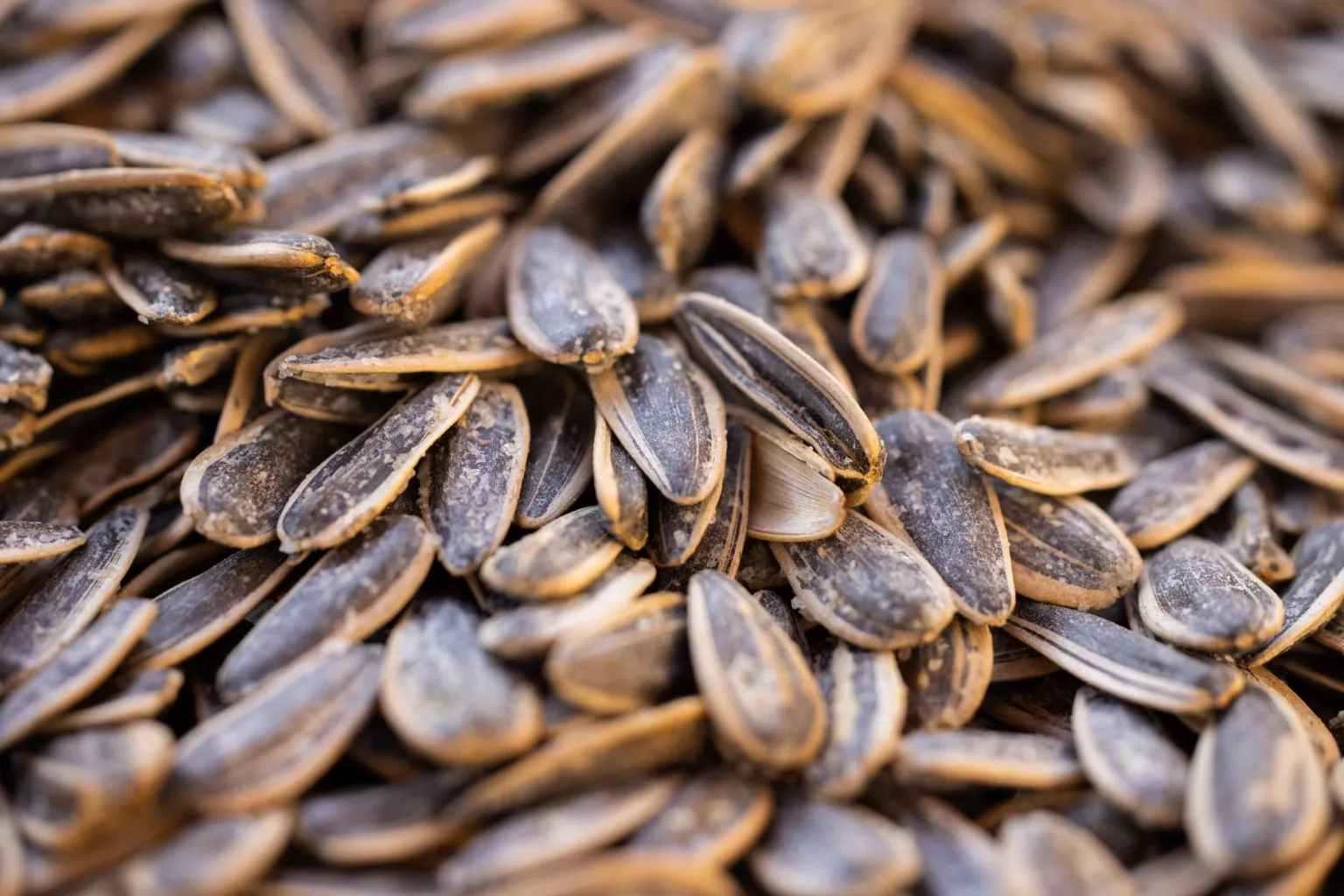
This profile covers two options, not a required blend: canola oil, also called rapeseed oil in some sources, and sunflower oil made from sunflower seeds. Both are edible plant oils, but they should not be treated as identical in flavor, composition or performance. Those features depend on the specific product and, for sunflower oil, on its type and processing. Refined sunflower oil is described as clear and mild or neutral in flavor. Cold-pressed sunflower oil can retain more of the seed’s characteristic flavor, while high-oleic sunflower oil is distinguished by a higher proportion of oleic acid and better resistance to oxidation and heat. The available evidence describes canola as mild and versatile but does not specify a particular processing label here. Check the product name and description on the bottle.
When to use it
Choose one of these oils when you want a liquid cooking fat with a restrained flavor for cooking, frying, sautéing, batters, baking or a sauce whose character should come from other ingredients. Conventional sunflower oil is mentioned for everyday uses such as frying, cakes and mayonnaise; high-oleic sunflower oil is described as more stable for higher-heat cooking. Canola is also described as versatile and mild. Do not assume that every product in either category behaves the same way: processing, oil type and the label matter, particularly when a recipe calls for substantial heat or a noticeable oil flavor.
How to use it
First check whether the bottle contains canola or sunflower oil and, where stated, whether it is refined, cold-pressed or high-oleic. For a restrained flavor, measure the oil as directed by the recipe and use it for sautéing, frying, batters, cakes, sauces or mayonnaise, all uses described for these oils. For dressings or finishing, remember that cold-pressed sunflower oil may contribute more of its own flavor than refined oil. When cooking with heat, do not infer a temperature limit from the generic oil name: the evidence provided does not set one universal temperature for both oils. Follow the product instructions and consider both flavor and intended use before substituting one type for another.
Flavour and texture
Some products of both kinds are described as mild, but they are not interchangeable in every situation. Refined sunflower oil is usually clear and fairly neutral; cold-pressed oil retains more characteristic flavor, while high-oleic oil is chiefly distinguished by its composition and stability. Canola is also described as mild and neutral. These are liquid oils, although the exact characteristics depend on the product.
How to choose it
Read the full product name: canola or rapeseed, conventional sunflower and high-oleic sunflower are not identical descriptions. For sunflower oil, check whether it is refined or cold-pressed, since flavor and suggested uses can differ. Choose according to the recipe: a neutral flavor when you do not want to mask other ingredients, or a more characteristic one if you want the oil to be noticeable. The available evidence does not support a brand or price recommendation.
Storage
The supplied evidence does not specify a storage temperature, duration or method for these oils. Check the instructions on the product you bought and keep its label information available. Do not infer shelf life or resistance to deterioration from the words canola or sunflower alone: oil type and processing can also affect its characteristics.
Substitutions
Canola and sunflower oil can replace one another in some recipes that call for a mild-flavored oil, but the result depends on the product and cooking method. High-oleic sunflower oil is not the same as conventional sunflower oil in stability, and cold-pressed sunflower oil can contribute more flavor. Olive oil is another option when its more pronounced profile suits the dish.
Common mistakes
Do not treat canola and sunflower as one oil with identical properties. Nor should you assume that every sunflower oil is neutral or that every type works equally well with high heat: cold-pressed and high-oleic oils are described differently. Do not assign a universal maximum temperature without checking the product.
Safety and allergens
Use oil labeled for food and follow the directions on its packaging. The supplied evidence does not establish universal maximum temperatures or specific safety and storage instructions for every product.
Culinary uses
- Cooking medium
- Fat for dressings, sauces and baking
Recommended techniques
- Sautéing
- Frying
Pairs well with
- Salads and dressings
- Baked goods and dishes where a neutral oil lets other flavors stand out
Frequently asked questions
Are canola and sunflower oil the same?
No. They come from different plants. Some culinary uses may overlap, but flavor and characteristics depend on the oil and its processing.
Which sunflower oil is described as more suitable for cooking with heat?
The evidence describes high-oleic sunflower oil as more stable under heat than conventional sunflower oil. Check the label and the manufacturer’s directions.
Can I use canola or sunflower oil in baking?
Mild oils are mentioned as options for cakes and batters. Choose one whose flavor fits the recipe and follow its product directions.
Sources and review
Automatically researched, cross-checked and validated content. Sources consulted:
- Aceite vegetal - Wikipedia, la enciclopedia libre es.wikipedia.org
- Aceite de girasol: propiedades nutricionales y usos academianutricionydietetica.org
- Aceite de Girasol doi.org
- Listado Aceites Vegetales: El aceite de oliva y otras variedades tiendaybarra.es
- - YouTube youtube.com
- Tipos de aceite: cuál elegir para cocinar, freír, aliñar o dar sabor abc.es
- Cuál es el aceite más sano para cocinar - BBC News Mundo bbc.com
- Aceite de canola para freír comercialmente: calidad y valor refinados. horusoil.com
- 5 alternativas al aceite de girasol + cómo cocinar sin aceite - Antojo en tu cocina antojoentucocina.com
- cocina para principiantes: tipos de aceites | CreatiVegan.net creativegan.net
- Las mejores alternativas para sustituir el aceite de girasol en la cocina hola.com