- Category
- Vegetables
- State
- Fresh
- Usual unit
- g
What it is
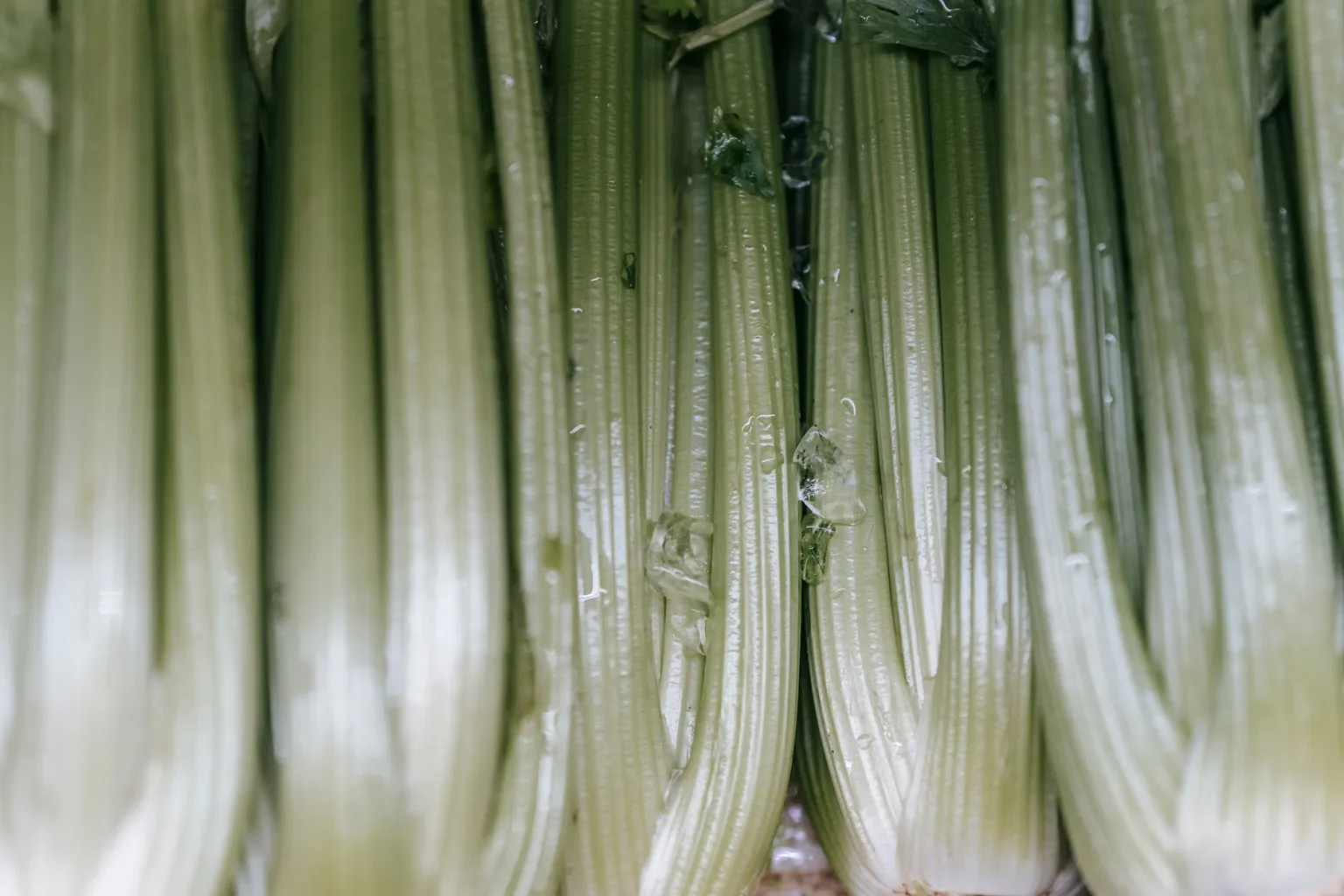
Celery is a vegetable with long, ridged stalks and leaves that are also used in cooking. The stalks are fleshy and crisp, while the leaves resemble parsley in appearance and have a distinctive aroma. Color can range from green to paler shades depending on the variety and growing method. This profile is for fresh stalk celery with leaves, not celeriac, which forms a large swollen root, or lovage, a different plant mainly used as a seasoning. Celery can be eaten raw or cooked, and both the stalks and leaves can be part of a dish.
When to use it
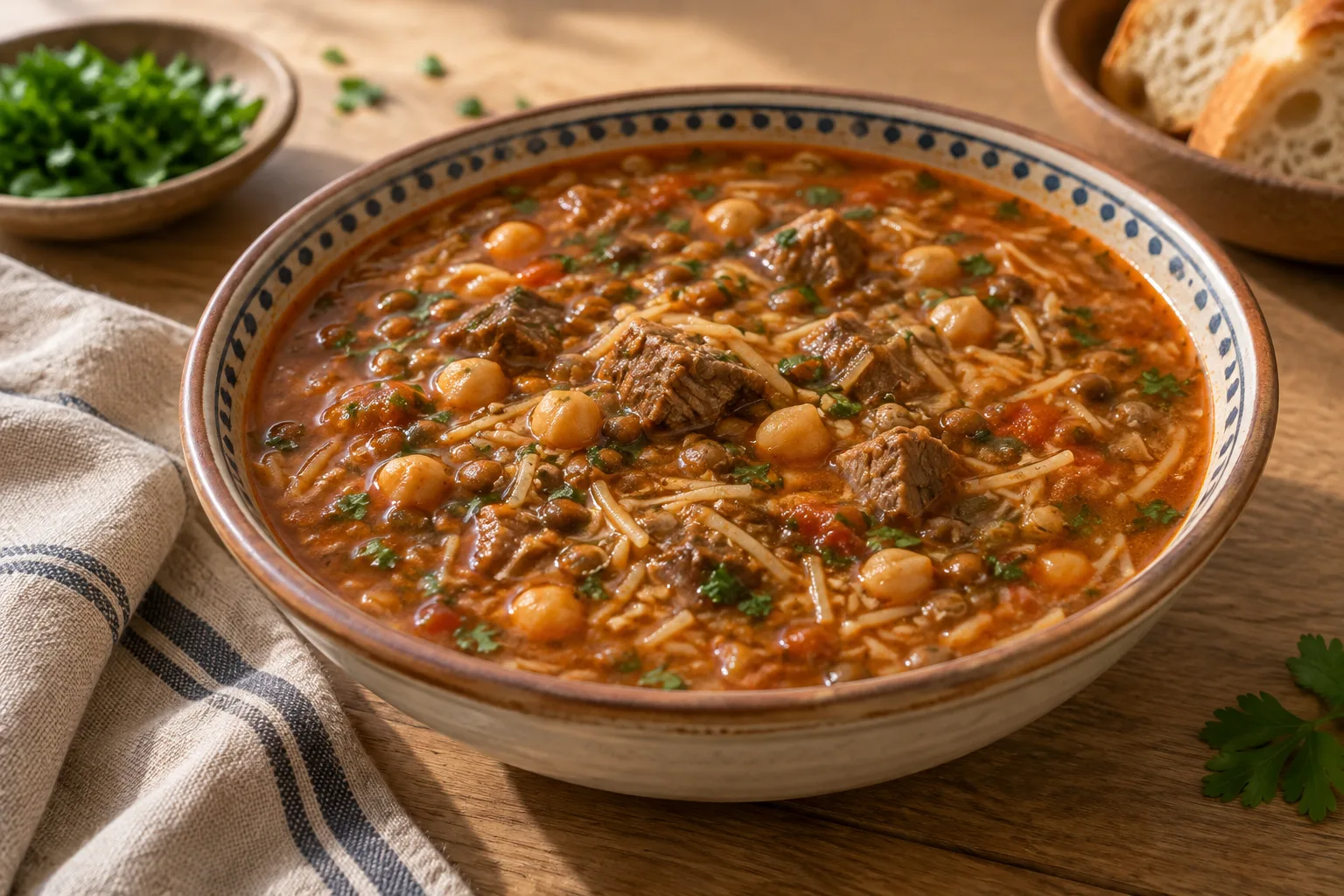
Use celery raw when you want a crisp element in a salad; it works in combinations with apple, chickpeas, or walnuts. For an aromatic base in a hot dish, add chopped stalks and, if you like, some leaves to soups, creamy soups, or stews. Chopped leaves can also provide a finishing touch. If you want celery to take a more prominent role, tempura is one way to serve it on its own or as a side. Adjust the amount to suit how pronounced you want its flavor to be.
How to use it
Separate the stalks and leaves, then rinse the celery under running water before preparing it. For a salad, cut the stalks into pieces or strips and add chopped leaves; try pairing them with apple, chickpeas, or walnuts. For soup or a purée, chop the celery and cook it with other ingredients such as onion and garlic before adding broth. You can also scatter chopped leaves over the dish when serving. For a crisp, hot preparation, small or medium shoots can be made into tempura. If the stalks are stringy and those fibers would bother you, remove them before adding the celery to the dish.
Flavour and texture
Celery has a fresh, distinctive flavor and an aromatic character that stands out both raw and cooked. The stalk is crisp when served raw; when cooked, it becomes part of soups and stews and contributes its aroma to the dish. The leaves are aromatic and can be chopped into a preparation or used as a finishing touch. Color, thickness, and firmness vary among varieties, so not every bunch looks the same.
How to choose it
Choose a bunch that looks fresh, with firm, compact stalks and leaves that appear fresh. Avoid celery that is wilted or shows obvious dryness or spots. Color and shape can vary by variety, so look for freshness and firmness rather than expecting one exact size or shade.
Storage
Keep fresh celery in good condition and use it before the stalks or leaves wilt or lose their freshness. The available evidence does not support a specific home-storage duration or condition for this product. If you cut celery for a dish, handle it cleanly and refrigerate cooked leftovers promptly.
Substitutions
There is no universal substitute that reproduces both celery’s aromatic flavor and crisp texture. In a soup, you can replace only part of the celery with sunchoke or bell pepper; either choice changes the character of the dish and is not an exact equivalent. In salads, it is best to treat celery as an ingredient with its own distinctive qualities.
Common mistakes
Do not confuse stalk celery with celeriac or lovage; they are different ingredients. Avoid treating the leaves as waste: they can be chopped into soups, stews, or finishing garnishes. If stringy fibers would make the texture unpleasant, remove them from the stalks before puréeing or serving.
Safety and allergens
Rinse fresh celery under running water before cutting or eating it. Handle food cleanly and refrigerate cooked leftovers promptly; no further official safety advice specific to fresh celery is available here.
Culinary uses
- Hortaliza crujiente para consumir cruda
- Base aromática para sopas y guisos
Recommended techniques
- Cortar o picar para ensaladas y platos crudos
- Cocinar en sopas, cremas y guisos
- Freír en tempura
Pairs well with
- Manzana y garbanzos en ensalada
- Nueces en ensaladas
- Cebolla, ajo y caldo en sopa
- Perejil o eneldo como acabado
Frequently asked questions
Can you eat celery leaves?
Yes. Chop the leaves into soups, stews, creamy soups, or salads, or use them as a finishing touch.
Can celery be eaten raw?
Yes. Cut the stalks for salads and other raw preparations; they have a crisp texture.
What can I use instead of celery in soup?
To replace only part of the celery in soup, try sunchoke or bell pepper. The finished soup will have a different flavor.
Sources and review
Automatically researched, cross-checked and validated content. Sources consulted:
- Client Challenge doi.org
- The Essential Glossary of Cooking Terms for the Culinary Arts - Escoffier escoffier.edu
- Apio: qué es, beneficios y usos culinarios bonviveur.com
- Washington State Food Access English-Spanish Glossary wpcdn.web.wsu.edu
- revista del - Comité Científico aesan.gob.es
- NUTRITION IN ACTION Beans & Peas • Frijoles & ... stonybrookmedicine.edu
- Sopa Cremosa de Apio receta | Servicio de Extensión de OSU extension.oregonstate.edu
- Ensalada de garbanzos – Food Smart Colorado foodsmartcolorado.colostate.edu
- El apio joseanalija.com
- Todo lo que necesitas saber sobre el apio lechepuleva.es