- Category
- Meat
- State
- Fresh
- Usual unit
- unit
What it is
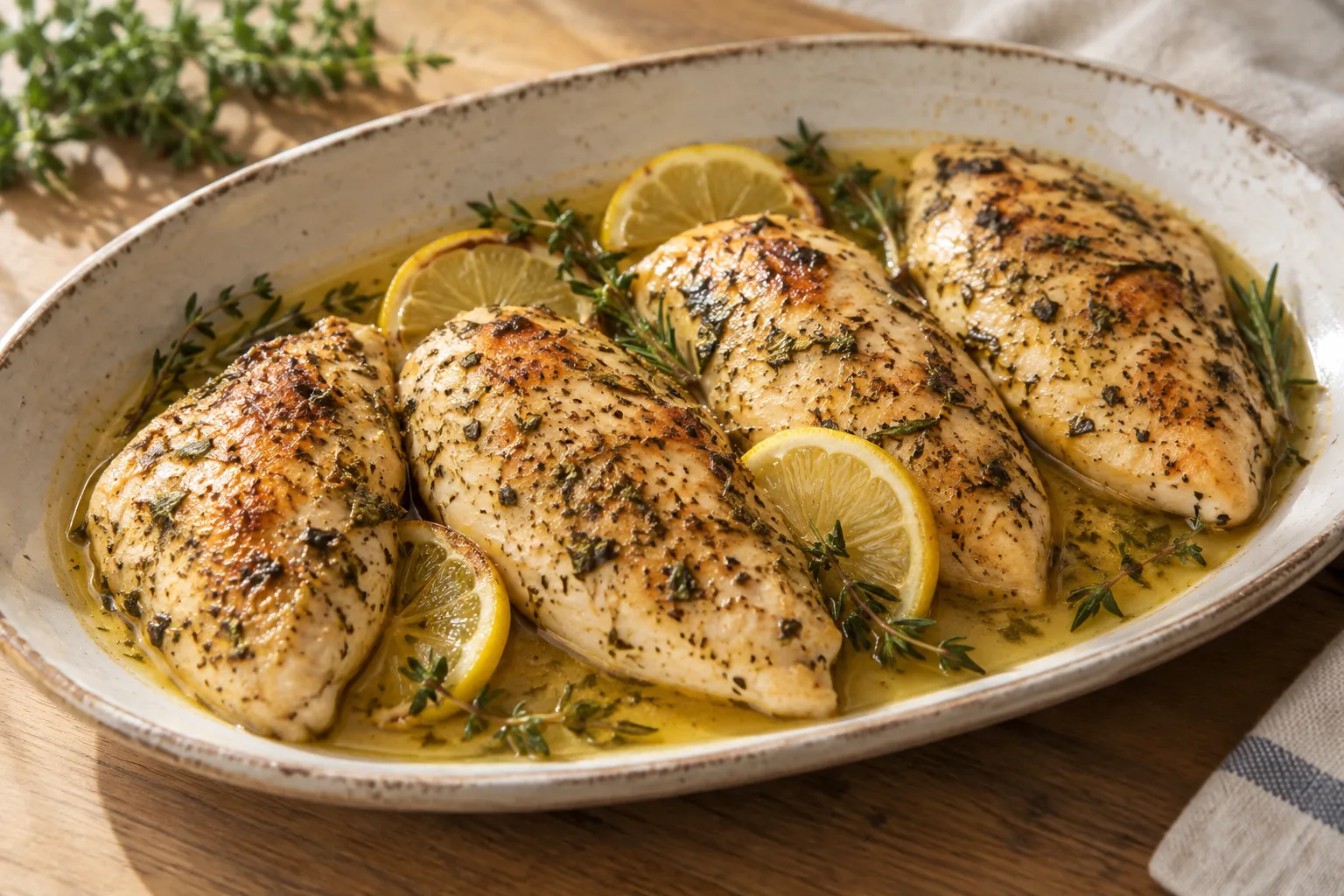
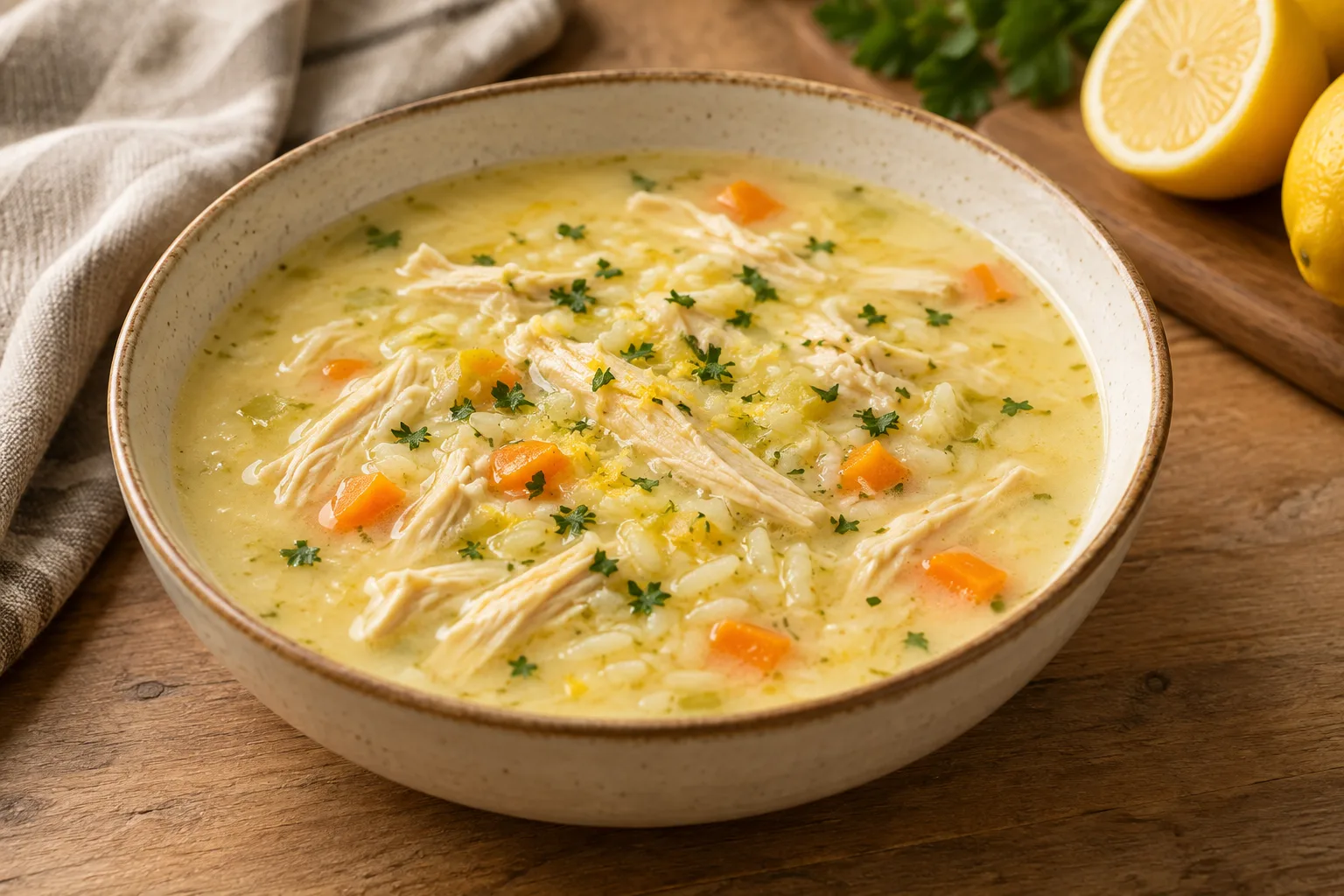
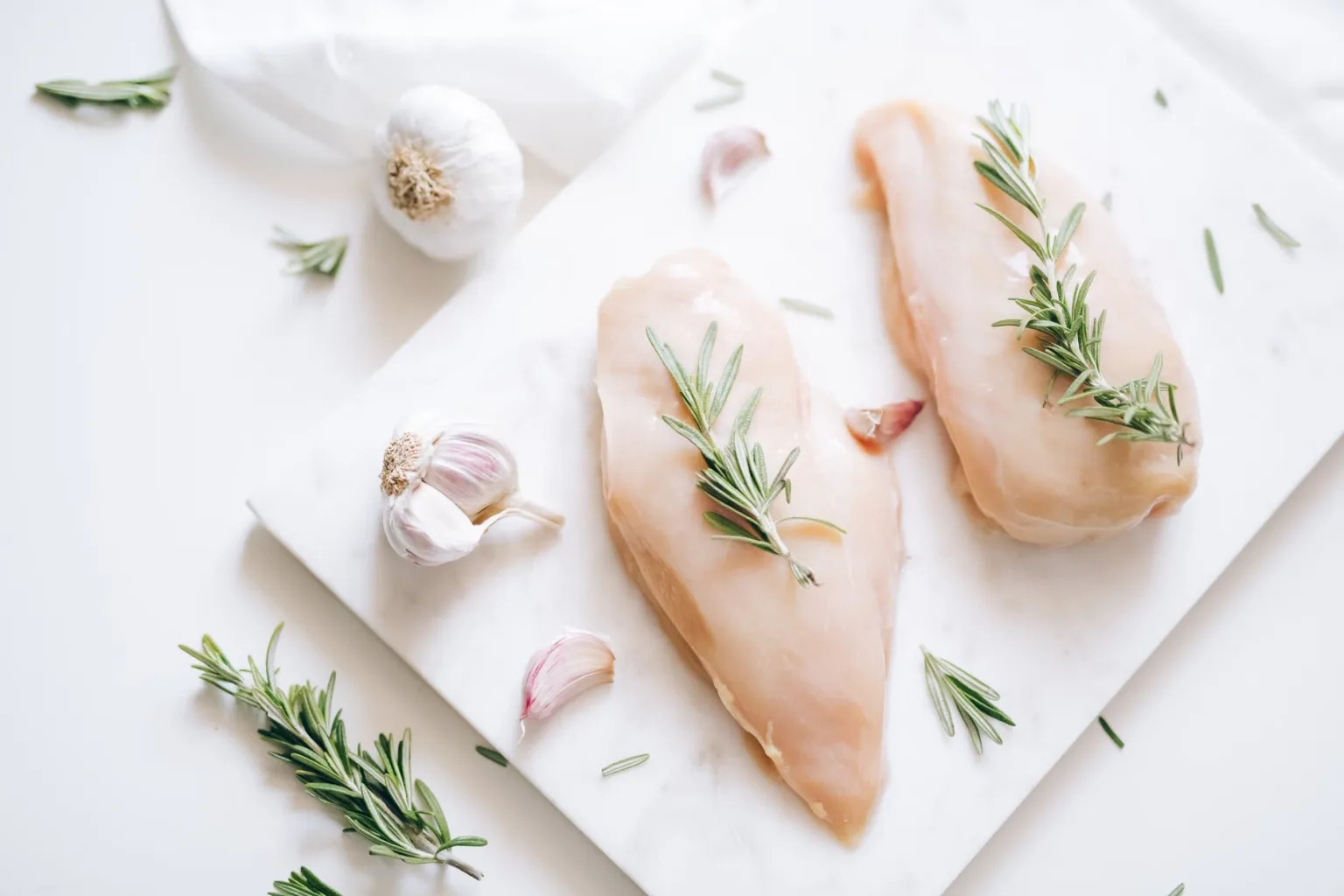
Chicken breast is a poultry cut commonly sold as a whole piece or portioned into fillets, strips, or cubes. Its mild flavor works with a wide range of seasonings, sauces, and accompaniments. The meat is lean and can become dry if overcooked, so the cut and thickness matter when choosing a method. It can be grilled or cooked on a griddle, baked, breaded, stuffed, poached, or simmered. Once cooked, it can be sliced or shredded for salads, pasta, rice dishes, and sandwiches. Bone-in and boneless breasts, as well as whole and sliced portions, are different formats; check which one you have before planning the preparation. Match the cooking approach to the piece rather than assuming that every breast will cook in the same way.
When to use it
Choose chicken breast when you want a mild-tasting poultry cut that can take on seasonings and pair with many accompaniments. Fillets are convenient for griddling or breading; whole pieces can be baked or stuffed, while strips or cubes suit quick sautés with vegetables, rice, or pasta. Cooked breast can also be sliced or shredded for salads and sandwiches, or served with sauce. Thickness and cut affect the result, so a thin fillet and a whole breast should not automatically be handled alike. Because breast meat can dry out when cooked for too long, take that tendency into account when choosing a recipe, especially one involving a longer cooking process.
How to use it
First decide whether to cook the breast whole, as fillets, or in pieces. For a more even result in a single dish, cut portions to a similar size. Season with herbs or spices, then grill or griddle, bake, poach, or simmer it. Bread it for a crisp coating, or stuff it and serve it with a sauce. Strips can be sautéed with vegetables; cooked breast can be sliced or shredded and added to salads, pasta, rice dishes, or sandwiches. Adapt the method to the thickness, and avoid overcooking because this cut can dry out. Cook poultry thoroughly and use a food thermometer to check doneness rather than relying only on the browned surface.
Flavour and texture
Chicken breast has a mild flavor that takes well to herbs, spices, and sauces without overwhelming them. When cooked suitably, its texture can be tender, but the meat tends to dry out if left on the heat or in the oven too long. Thickness and format matter: a thin fillet, cubes, and a whole piece call for different handling. Breading adds a crisp outer layer, while stuffing or serving the breast with sauce changes the texture and adds contrast.
How to choose it
Choose a format that suits the recipe: a whole piece for baking or stuffing, fillets for griddling or breading, and strips or cubes for sautés. Check the package label and condition, and follow the seller’s or package’s instructions. Breasts may be bone-in or boneless, whole or cut into portions; these formats do not automatically cook or prepare in the same way. The available evidence does not establish a particular season for buying chicken breast.
Storage
Follow the package storage instructions and keep the chicken breast refrigerated if you are not cooking it right away. If preparing it ahead as part of a recipe, refrigerate it before continuing with the cooking, as the chicken-packet recipe advises. The available evidence does not establish a general storage duration or freezing instructions; do not infer a safe time from appearance or smell, and consult the package or local official guidance.
Substitutions
In a salad, sandwich, pasta, or rice dish, cooked shredded breast can stand in for breast cut into pieces, though the texture will differ. Chicken thigh can be an alternative when the recipe can accommodate another cut; it has a more succulent texture, so the method may need adjusting. Do not swap cuts automatically without considering portion size, whether the meat is bone-in, and the cooking method.
Common mistakes
A common mistake is to cook breast for too long and expect it to stay juicy; this cut tends to dry out. Do not assume that a whole breast, a thin fillet, and cubes all need the same handling. Griddling is not the only option: breasts can also be baked, stuffed, breaded, poached, or simmered. Check that the chicken is fully cooked, rather than judging doneness only by the browned exterior.
Safety and allergens
Cook chicken thoroughly and check doneness with a food thermometer. Follow the package instructions and official food-safety guidance in your area.
Culinary uses
- Main protein in a meal
- Sliced or diced ingredient for salads, stir-fries, pasta, and rice dishes
- Filling for stuffed or breaded preparations
Recommended techniques
- Grilling or cooking on a griddle
- Baking
- Poaching or simmering
- Breaded frying
- Slicing or dicing for quick sautés
Pairs well with
- Vegetables such as sweet potatoes, carrots, and broccoli
- Rice or pasta
- Salad greens and salad ingredients
- Sauces, herbs, and seasonings such as mustard, garlic, or curry
Frequently asked questions
How can I cook chicken breast?
It can be grilled or griddled, baked, stuffed, breaded, poached, or simmered. Strips or cubes also work in sautés.
Can cooked chicken breast go in a salad?
Yes. Cook it thoroughly, then slice or shred it and add it to a salad. Cooked breast also works in sandwiches, pasta, and rice dishes.
Why does chicken breast sometimes turn dry?
Breast meat tends to dry out when overcooked. Take the thickness and format into account, and check that it is fully cooked without extending the cooking unnecessarily.
Estimated nutrition
- Fat
- 15.8 g
- Saturates
- 3.26 g
- Carbohydrate
- 15 g
- Sugars
- 0.37 g
- Fibre
- 1.1 g
- Protein
- 14.7 g
- Salt
- 1.34 g
Sources and review
Automatically researched, cross-checked and validated content. Sources consulted:
- ¿Por qué la muerte es origen de miedos y tabúes? doi.org
- 15 recetas con pechuga de pollo: disfruta de la carne blanca más fácil de cocinar bonviveur.com
- Problemas en la calidad de la canal de pollo (I) mapa.gob.es
- Evaluación física y sensorial de pechuga de pollo ( ... bdigital.zamorano.edu
- Paquetes de pollo, camotes, y zanahoria | University of Maryland Extension extension.umd.edu
- Family Food Cent$ En esta entrega: • La importancia de las extension.sdstate.edu
- Poultry, Meats, & Game - BFS 104: Basic Culinary Skills Theory - Research Guides at Sullivan University libguides.sullivan.edu
- Sabores de Nuestras Tierras ucanr.edu
- Comer bien por menos dinero Compre • Ahorre • Coma • ¡Disfrute! s3.wp.wsu.edu
- Mis 3 razones principales para asar un pollo - Spend Smart Eat Smart spendsmart.extension.iastate.edu
- Pechugas de pollo: recetas fáciles hola.com
- Las 13 recetas más fáciles y rápidas con pechuga de pollo para cualquier comida directoalpaladar.com
- pechugas de pollo - 23,870 recetas caseras- Cookpad cookpad.com
- Cortes del pollo: cuáles son y cómo cocinarlas finedininglovers.es
- Recetas con Pechugas de Pollo - Gallina Blanca gallinablanca.es