- Category
- Meat
- State
- Fresh
- Usual unit
- g
What it is
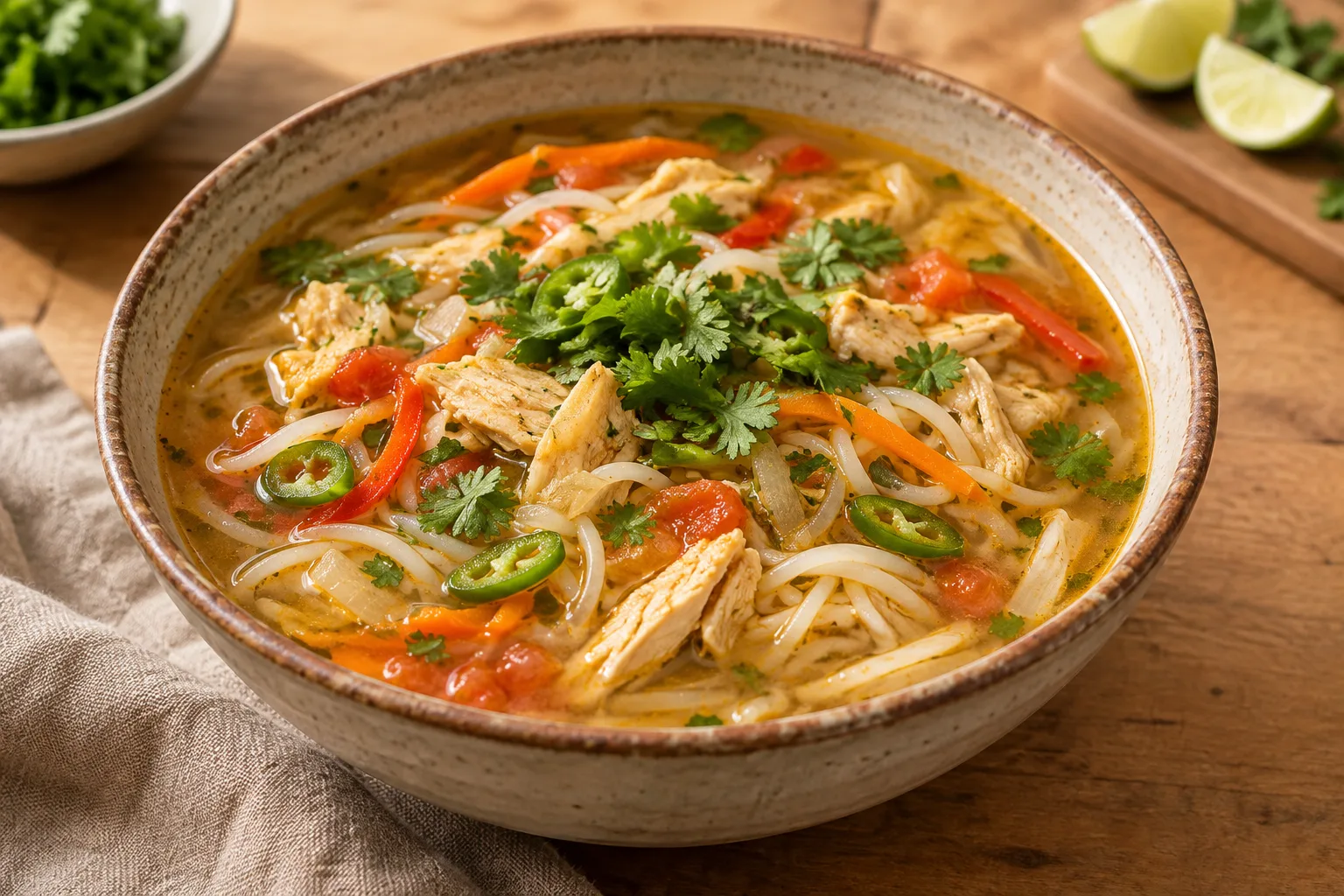
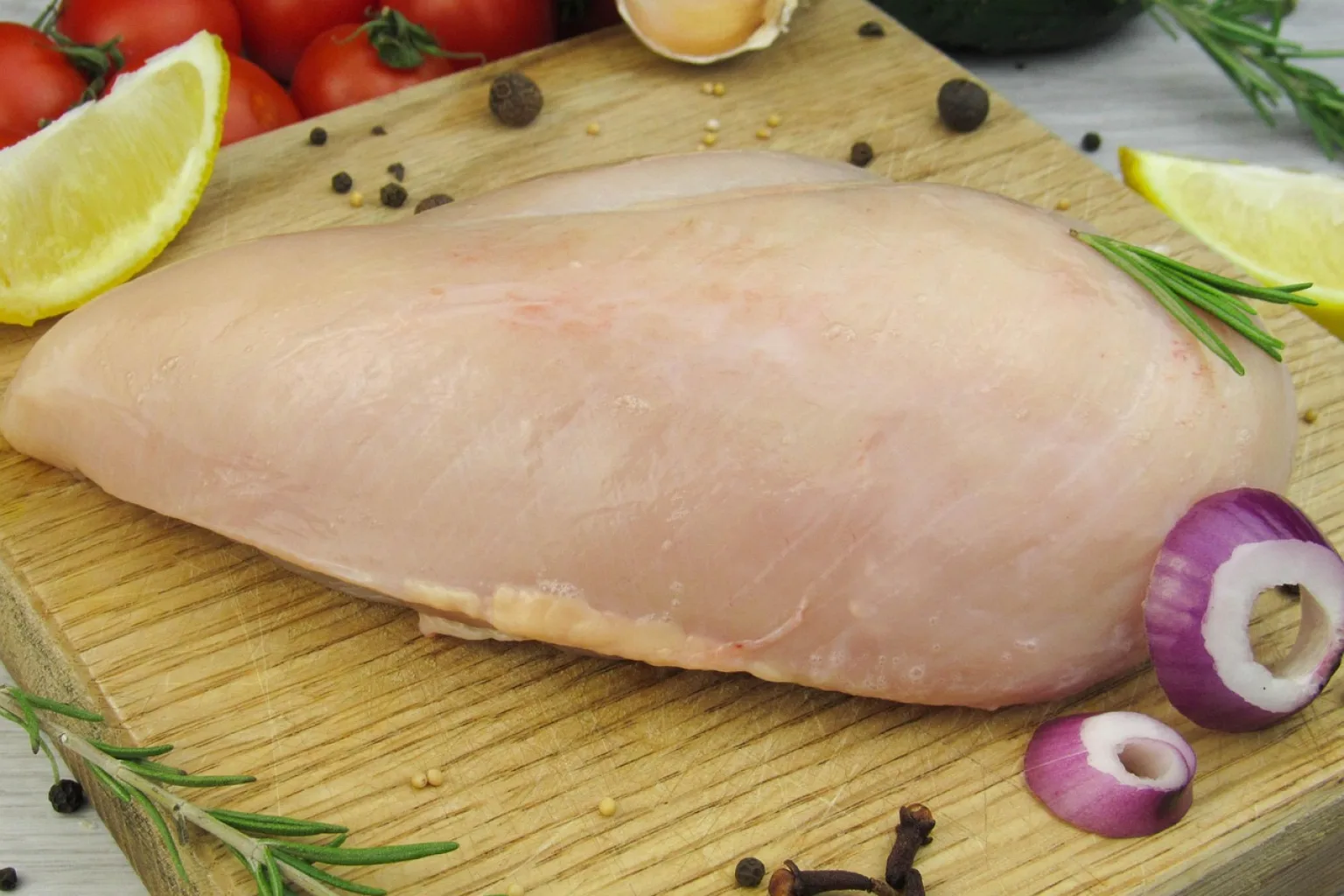
Chicken thigh fillet is a cut of chicken meat taken from the thigh area and presented as a fillet. The name identifies the bird and the general part, but the available evidence does not specify whether every product is skin-on, how it has been deboned, or how thick the pieces are. Check the label for the exact presentation. Thigh meat is described as juicy and higher in fat than breast meat; these general cut descriptions do not guarantee identical texture in every fillet. Chicken is used in a wide range of preparations, from main dishes to soups and broths.
When to use it
Choose this cut when you want chicken in a filleted portion and can match the cooking approach to its thickness and presentation. It suits roasted, grilled, or fried dishes, and can also be used in stews, soups, and broths. It can anchor a main dish or be served with rice, potatoes, or vegetables. If a recipe calls for a different cut, remember that breast, thigh, and other chicken portions are not interchangeable in every respect, so the result may differ. Check the package name before deciding how to use it.
How to use it
First check the package to see how the fillet is presented, then prepare it to suit the recipe. You can roast, grill, or fry it—methods used for chicken—or add it to a stew or soup. Pair it with rice, potatoes, or vegetables for a meal. Thickness and presentation can vary, so do not assume every piece cooks in the same way or apply a fixed cooking time that has not been established for the product. Follow the package directions and official food-safety advice applicable in your area.
Flavour and texture
Chicken is commonly described as mild and versatile. Compared with breast meat, thigh meat is described as juicier and higher in fat, which can affect its mouthfeel. The particular fillet may vary with its preparation and the exact portion used. The evidence does not support claims that every product has a stronger flavor, uniform texture, or a specific amount of fat.
How to choose it
Read the package to confirm that you are buying chicken thigh fillet and to check how the product is presented. The cut matters: it is not the same as breast or other chicken portions. The available evidence does not establish visual freshness tests, superior quality based on color, or a uniform composition across brands, so do not assume these. Use the label information to decide whether the product suits your planned recipe.
Storage
The available evidence does not establish storage times or temperatures for this product. Follow the package instructions and the applicable official guidance where you live; do not transfer directions from another cut or product without checking. If the package gives storage conditions or a date, consult them before using the chicken. This profile cannot determine how long it lasts after opening or set a freezing or thawing method.
Substitutions
You can replace it with another chicken thigh cut if the recipe allows a different presentation, though bone, skin, and format may change the result. Breast is another chicken option, but it is a different cut and is described as leaner than thigh. The evidence does not establish an exact conversion for quantities or cooking times; adapt the recipe to the actual cut and follow the relevant cooking directions.
Common mistakes
Do not treat thigh fillet as exactly equivalent to breast: they are different cuts and may produce different results. Do not assume every product labelled fillet has the same presentation, thickness, or skin; check the package. Avoid applying cooking times or storage instructions that have not been substantiated for the specific product.
Safety and allergens
The available evidence does not provide a specific official instruction for this cut. Consult your local food-safety authority and follow the product label; do not treat this profile as storage or cooking guidance with set times and temperatures.
Culinary uses
- Main ingredient in a cooked poultry dish
- Meat for soups and broths
Recommended techniques
- Roasting or grilling
- Pan-frying or frying
- Stewing
- Adding to soups and broths
Pairs well with
- Rice
- Potatoes
- Vegetables
Frequently asked questions
Which part of the chicken is this fillet?
It is a filleted cut from the thigh area. Check the package to confirm the exact presentation.
Can I grill it or use it in a stew?
Yes. Sources describe chicken grilled and stewed, as well as roasted, fried, and used in soups.
Can I substitute chicken breast?
Breast is another chicken option, but it is a different cut and may not give the same result.
Estimated nutrition
- Fat
- 42.8 g
- Saturates
- 11.9 g
- Carbohydrate
- 0 g
- Sugars
- 0 g
- Fibre
- 0 g
- Protein
- 14.6 g
- Salt
- 0.19 g
Sources and review
Automatically researched, cross-checked and validated content. Sources consulted:
- The Essential Glossary of Cooking Terms for the Culinary Arts - Escoffier escoffier.edu
- Carne de pollo - Wikipedia, la enciclopedia libre es.wikipedia.org
- Muslos de pollo - Gastronomía Vasca: Escuela de Hostelería Leioa gastronomiavasca.net
- Free Standing, Slide In, and Drop In Electric housing.illinoisstate.edu
- El muslo de pollo y otras mentiras biológicas de la gastronomía doi.org
- Trabajo electrónico aesan.gob.es
- Todo lo que debes saber sobre la carne de pollo - Estudia Hostelería estudiahosteleria.com
- Educación sobre la diabetes healthsystem.osumc.edu
- Efecto de la incusion de LFIA en dietas para pollos parrilleros scholar.uprm.edu
- DAM texashistory.unt.edu
- SAN BENIGNO, MARTIN p-w-islandoraweb01.library.ucla.edu
- Ulises people.duke.edu