- Category
- Herbs and spices
- State
- Dry
- Usual unit
- teaspoon
What it is
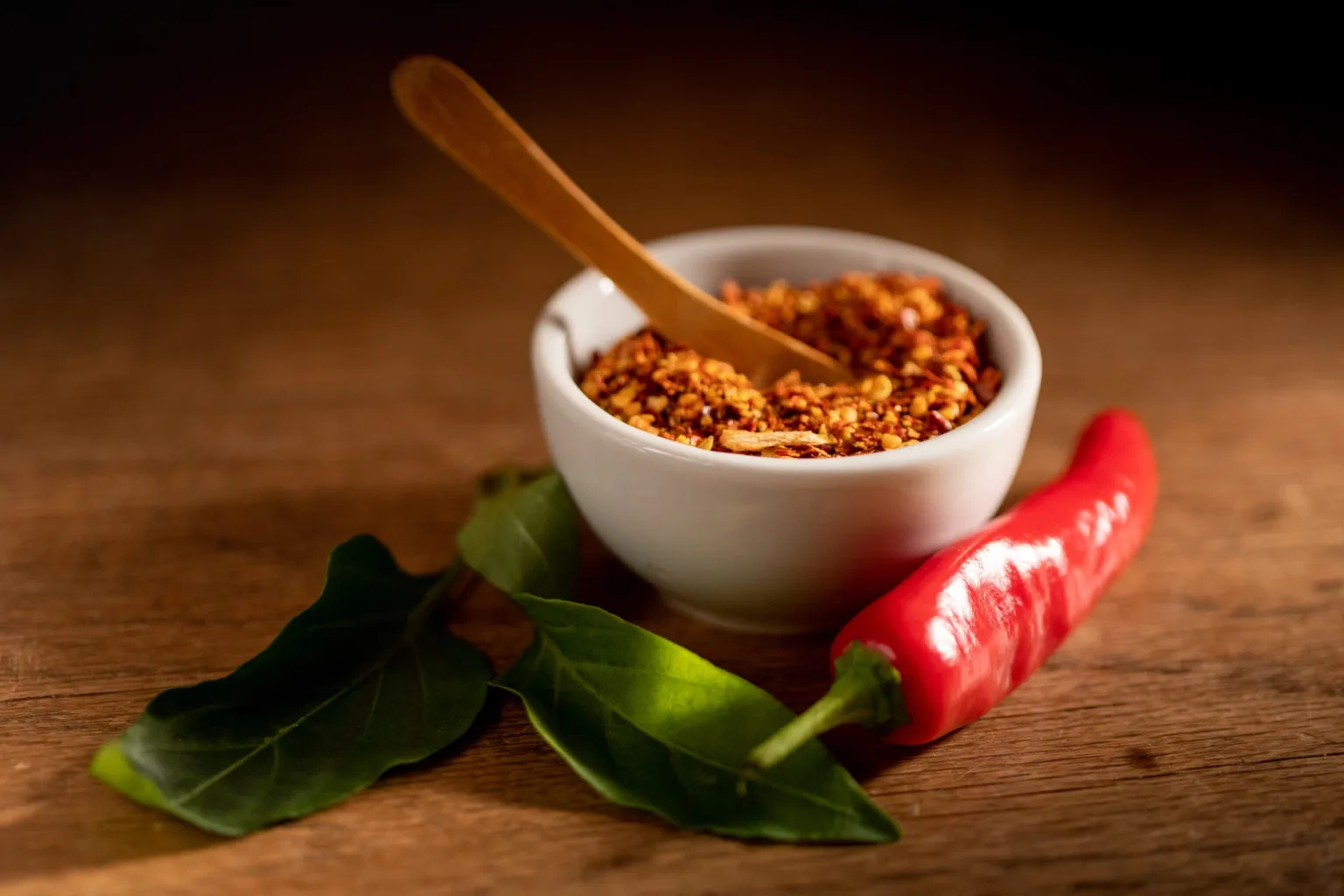
Chili flakes are dried chilies broken into pieces rather than ground into a fine powder. Depending on how they are made, a product may contain skin, seeds and pieces of flesh, so its appearance and texture can vary. Flakes are made from different chilies, including cayenne, jalapeño and chile de árbol; they therefore do not all have the same heat level or aroma. Some products may be made from smoked chilies. They are used as a seasoning to add heat and flavor, and should not be treated as one particular chili variety or as a product with a uniform level of pungency.
When to use it
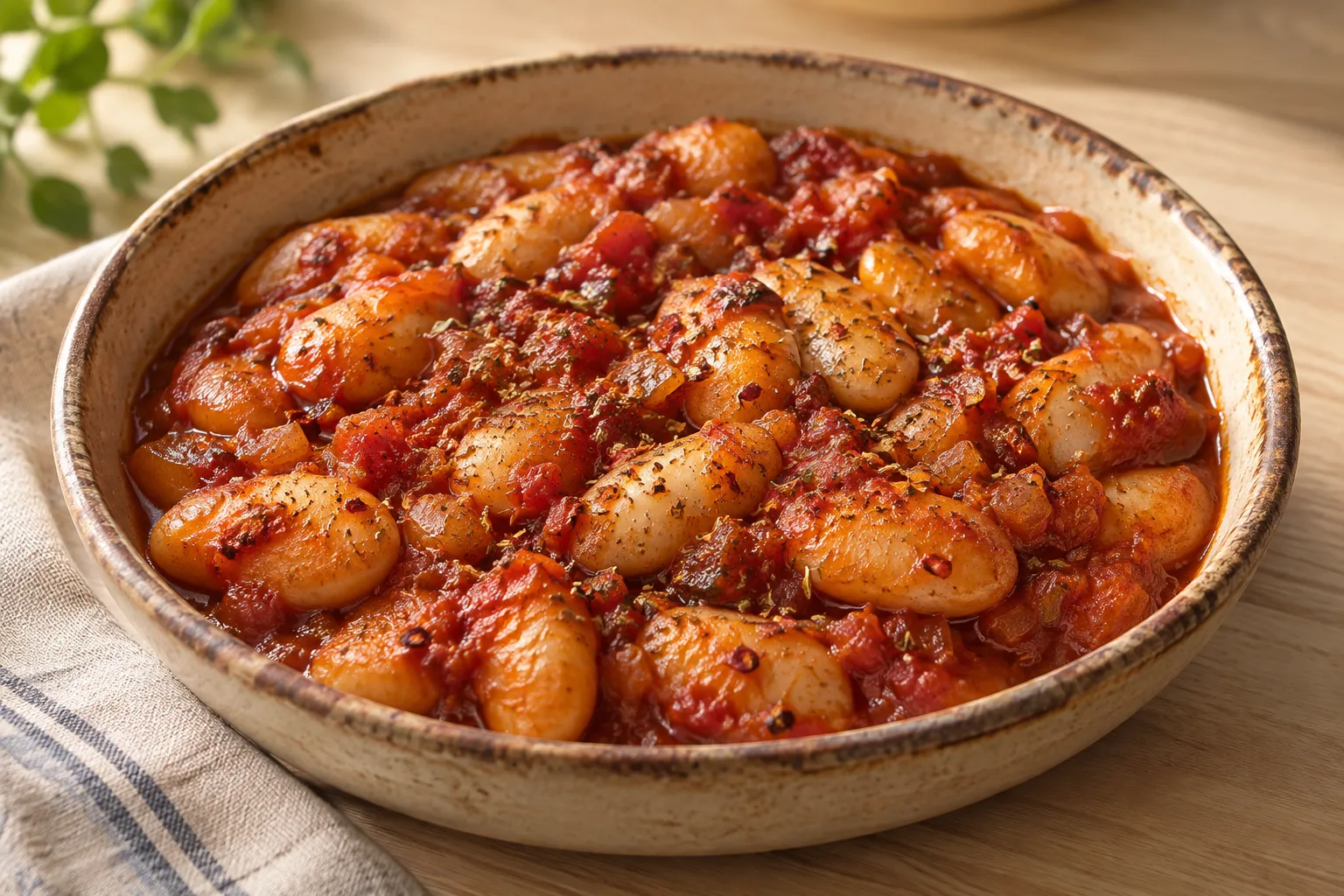
Use chili flakes when you want to add heat gradually and want small pieces of chili to remain noticeable in a dish. They work in pasta, pizza, soups, stews, curries, sauces and dressings, and can also contrast with fruity or sweet flavors. Since both the chili variety and the product’s intensity can vary, start with a small amount and taste before adding more. If you want a smoky note, check that the label says the product is smoked; not all flakes have that flavor.
How to use it
Add a small pinch during cooking or sprinkle the flakes over the dish just before serving, then taste before adding more: heat varies by chili type and product. To use them in a sauce or stew, stir them in with the other ingredients and let the flavors combine as the dish cooks. You can also briefly heat them in oil as part of a preparation, or use them to flavor oil. Pair them with garlic or ginger in savory food; in sweet dishes, a small amount can accompany fruit, chocolate or honey. Their pieces give a dish a different texture from finely ground chili, so do not expect the two forms to distribute in the same way.
Flavour and texture
Heat is the most recognizable feature, but its intensity depends on the chili variety. Flakes can have fruity aromas, and products made from smoked chilies may add a smoky note. Their visible pieces create a less uniform texture than finely ground chili. The exact flavor cannot be inferred from the name alone: check the package and taste a small amount before seasoning a whole dish.
How to choose it
Check that the package identifies the product as chili flakes and look for information about the variety or a smoky flavor. The chili used affects both heat and flavor, so do not assume all flakes are equally hot. Piece size and the presence of seeds or skin may also differ. If you want more control over heat, choose a product whose label clearly describes the chili or its intensity.
Storage
Chili flakes are a dry seasoning, but the available evidence does not establish a universal shelf life or storage method. Follow the package directions rather than assuming every product lasts the same length of time. Do not use the product if it changes in appearance or shows signs of moisture. To help preserve its aroma, avoid unnecessary exposure to air and moisture, without overriding the manufacturer's instructions.
Substitutions
Chili powder can provide heat as an alternative, but it is finer and distributes differently. Ground cayenne is another related option, although its intensity may not match the flakes you have. In either case, begin with less, taste, and adjust. Neither substitute exactly reproduces the pieces and texture of chili flakes.
Common mistakes
A common mistake is assuming all chili flakes have the same heat: intensity depends on the chili variety and the product. Adding a large amount at once can overpower a dish, so add a little and taste. Do not assume flakes and chili powder have the same texture or distribute in the same way. A smoky note is present only in products made from smoked chilies.
Safety and allergens
Heat can vary considerably. Add flakes gradually and taste the dish before serving, especially when you are unfamiliar with the product. Follow the package directions.
Culinary uses
- Condimento picante para añadir intensidad y sabor
- Acabado o aderezo para platos ya preparados
Recommended techniques
- Espolvorear durante la cocción o justo antes de servir
- Calentar brevemente en aceite para aromatizarlo
Pairs well with
- Ajo y jengibre
- Pasta, pizza y guisos
- Frutas y preparaciones dulces con chocolate o miel
Frequently asked questions
Do chili flakes always have the same heat?
No. Heat depends on the chili variety and product; start with a little and adjust after tasting.
How are chili flakes different from chili powder?
Flakes are pieces with a more noticeable texture, while chili powder is finer and distributes differently.
Can I use chili flakes to flavor oil?
Yes. They are used to make flavored oil, but follow the recipe or product directions and do not assume a particular storage life.
Sources and review
Automatically researched, cross-checked and validated content. Sources consulted:
- ¿Por qué la muerte es origen de miedos y tabúes? doi.org
- The Essential Glossary of Cooking Terms for the Culinary Arts - Escoffier escoffier.edu
- El chile, ingrediente esencial en la cocina de México - Formacion en Gastronomia formacionengastronomia.com
- filling gender gaps: determining how traditional knowledge of experts.esf.edu
- Tipos de Chiles Secos Mexicanos: Características y Usos abarrotes.es
- Le Chef Club | Culinary Institute Lenotre culinaryinstitute.edu
- Usos del chile y sus variedades en la cocina | Recetas Nestlé recetasnestle.com.mx
- Hojuelas de chile (¿crudas?, ¿orgánicas?) | Fundación G+E diet-health.info
- SUNY Delhi Students Win International Culinary Competition delhi.edu
- WDI - Home libguides.library.drexel.edu
- Chili flakes: Beneficios y recetas | Gastronosfera gastronosfera.com