- Category
- Herbs and spices
- State
- Fresh
- Usual unit
- Variable
What it is
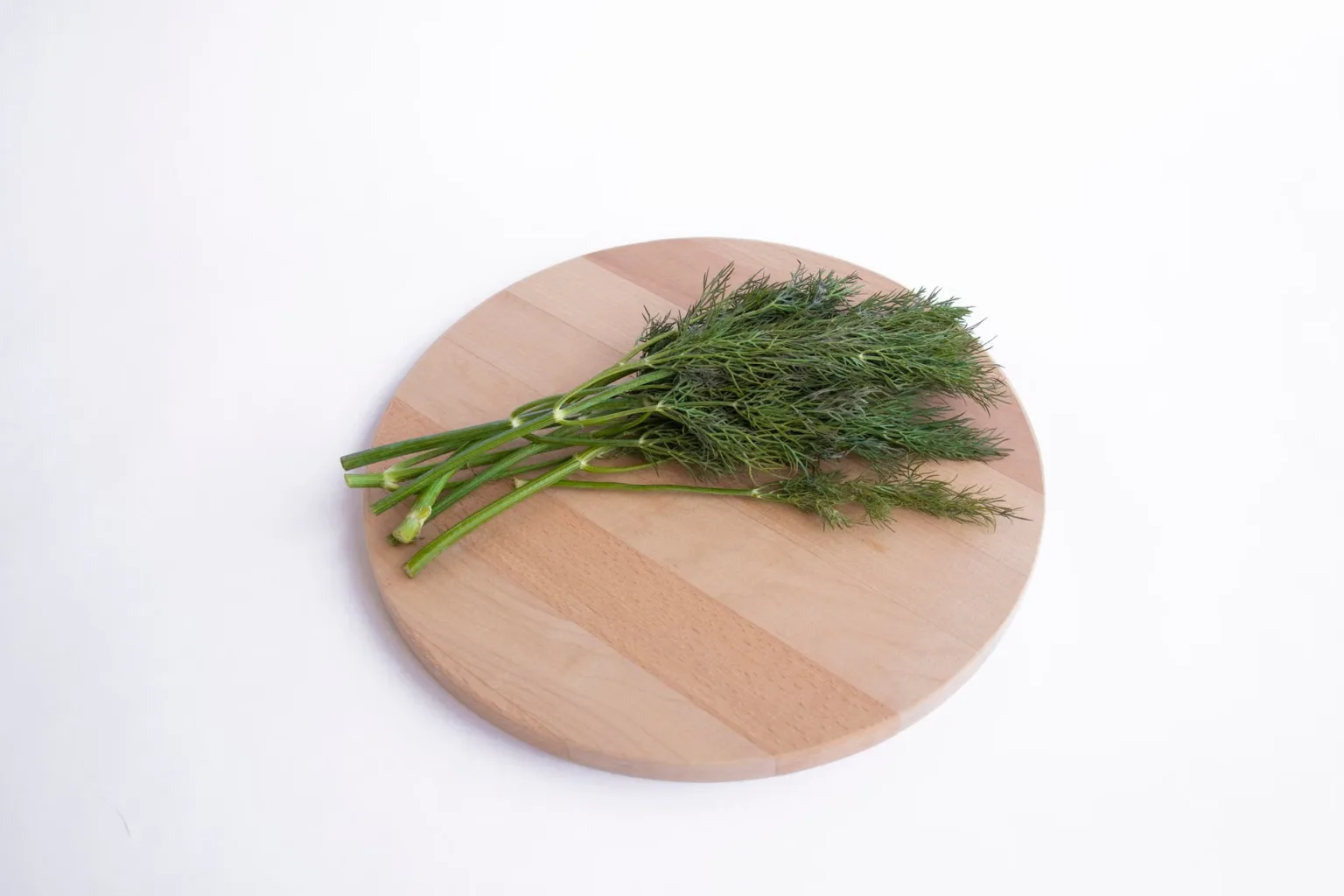
Chopped dill is the cut fresh foliage of the aromatic plant Anethum graveolens, a member of the Apiaceae family. Its fine, feathery leaves are used as a culinary herb; they are not the same ingredient as dill seeds, which are another part of the plant with a different character. Here, “chopped” describes the preparation of the leaves, not a dried product or seasoning blend. Fresh dill has a distinctive fragrance with green, herbaceous and anise-like notes, and is used to season savory food. Its delicate aroma can fade during prolonged cooking, so it is particularly useful in cold dishes or when added close to the end of cooking.
When to use it
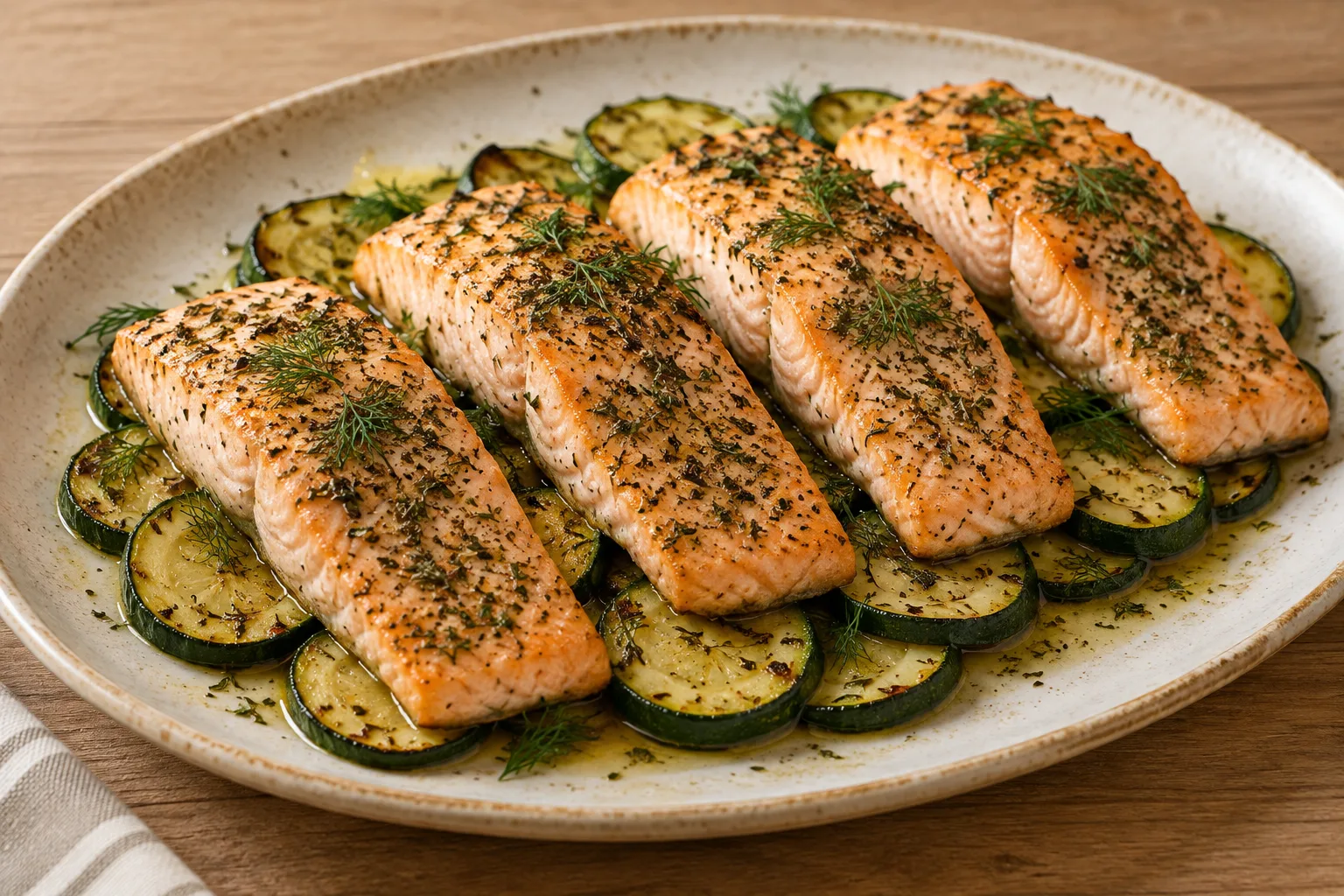
Use it when you want a fresh aromatic lift without adding a coarse or dominant texture. Dill works especially well with fish, including rich fish such as salmon, and also with cucumber, potatoes, eggs, salads and yogurt- or cream-based sauces. It can add a green counterpoint to creamy dishes and is commonly used with pickles. If a dish will cook for a long time, save the dill for the end or for serving so its delicate aroma remains more noticeable. Start with a modest amount and taste before adding more, as its fragrance can stand out readily.
How to use it
Finely chop the fresh leaves and mix them into salads, yogurt or cream sauces, marinades and dressings. You can also scatter them over fish, potatoes, eggs or vegetables just before serving. In soups, stews and other hot dishes, stir the leaves in near the end rather than keeping them at a prolonged simmer, since sustained heat can weaken their aroma. Pair them with cucumber for a fresh salad or sauce, or with fish for an aromatic contrast. Begin with a small amount, taste the dish and add more only if needed. These suggestions are for chopped leaves; dill seeds are not an identical substitute and are generally used differently.
Flavour and texture
Fresh dill leaves have a pronounced green aroma with anise-like notes and a fresh, slightly sweet character. Once chopped, they are fine and tender, so they blend readily into sauces, salads and other moist dishes. Their fragrance is delicate and can become less noticeable with prolonged cooking. Fresh leaves, seeds and dried dill do not have exactly the same profile, so they should not be treated as identical forms of the ingredient.
How to choose it
Choose dill with green leaves that are not wilted, yellowing or spotted. Fresh-looking leaves suit dishes where the herb's aroma is meant to be noticeable. Handle the delicate foliage gently, as it can bruise. If buying dill already chopped, check its appearance and the package storage directions; the available evidence does not establish a universal shelf life for this format.
Storage
Keep fresh dill refrigerated and follow any storage directions on the package. One described approach for fresh leaves is to wrap them in paper towel and place them in a bag; removing wilted or spotted leaves before storage is also suggested. Handle the herb gently to avoid bruising. There is no single storage life that can be recommended for every product, since formats and conditions can vary.
Substitutions
Chervil, tarragon and parsley can stand in for dill when it is unavailable, but each changes the result. Chervil and parsley give a milder herbal profile, while tarragon provides a different anise-like note. Fennel or fennel seeds may echo some of dill's aromatic qualities, but they do not reproduce the exact character of dill leaves. Adjust gradually and taste before serving.
Common mistakes
Do not confuse chopped dill leaves with dill seeds: they come from the same plant but differ in texture and use. Avoid cooking the chopped leaves for a long time if you want to retain their fresh aroma. Do not add a large amount all at once either; the fragrance can overwhelm a delicate dish. Taste and adjust near the end.
Safety and allergens
The available evidence identifies no specific safety warning for dill leaves. Follow package storage and use directions where provided, and check the allergen information for the food or prepared dish when relevant.
Culinary uses
- Hierba aromática fresca para sazonar
- Toque final para aportar frescor
Recommended techniques
- Picar finamente
- Añadir crudo o al final de la cocción
- Mezclar en salsas y marinadas
Pairs well with
- Pescados grasos, como el salmón
- Pepino y encurtidos
- Yogur y salsas cremosas
- Patatas, huevos y ensaladas
Frequently asked questions
When should I add chopped dill to a hot dish?
Add it near the end of cooking or just before serving so prolonged heat does not mute its aroma as much.
What foods pair well with fresh dill?
It pairs particularly well with fish, cucumber, potatoes, eggs and yogurt- or cream-based sauces.
Is chopped dill the same as dill seed?
No. Chopped dill usually means cut fresh leaves; seeds are another part of the plant with different uses and flavor characteristics.
Estimated nutrition
- Fat
- 0 g
- Saturates
- 0 g
- Carbohydrate
- 0 g
- Sugars
- 0 g
- Protein
- 0 g
- Salt
- 1.07 g
Sources and review
Automatically researched, cross-checked and validated content. Sources consulted:
- En el etiquetado alimentario hay algunas menciones que son obligatorias eletiquetadocuentamucho.aesan.gob.es
- Client Challenge doi.org
- Eneldo | www.cocinista.es cocinista.es
- Eneldo: propiedades, beneficios y usos en cocina de una hierba que sirve más que para aderezar salmón directoalpaladar.com
- El eneldo: planta aromática y protagonista en la cocina - Plantamus blog.plantamus.com
- Eneldo. ¿Qué es? Propiedades y usos en la cocina abc.es
- Qué es el eneldo y cómo usarlo en la cocina | JUST SPICES ® justspices.es
- Eneldo: beneficios, propiedades, usos en la cocina y valor nutricional lavanguardia.com
- Eneldo condimento delicioso revelando los delicados sabores del eneldo - FasterCapital fastercapital.com
- Revista del comité científico de la aecosan número 24 aesan.gob.es
- Eneldo: propiedades y usos en la cocina - Ingredientes Culinarios cocinaycome.com
- Eneldo picante – ITALPEPE italpepe.com
- Cómo usar eneldo (con imágenes) - wikiHow es.wikihow.com
- Eneldo: qué es, propiedades y usos en cocina bonviveur.com
- Eneldo: propiedades, beneficios y usos, para qué sirve ecoinventos.com
- Condimento - Wikipedia, la enciclopedia libre es.wikipedia.org
- Salsa de eneldo - Gallina Blanca gallinablanca.es
- Sustitutos del eneldo y reemplazo alternativo - Food Champs - Restaurante Gele restaurantegele.es