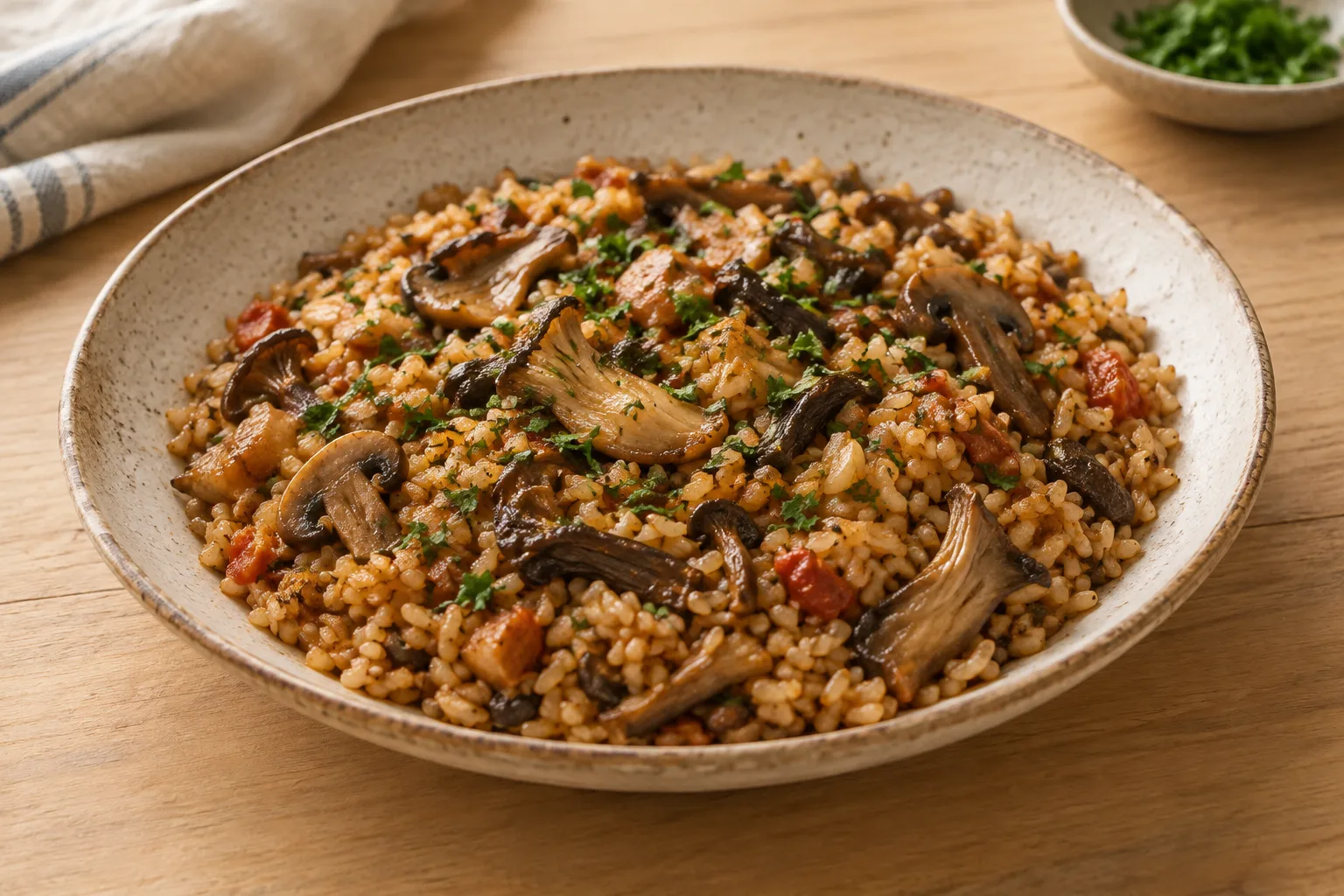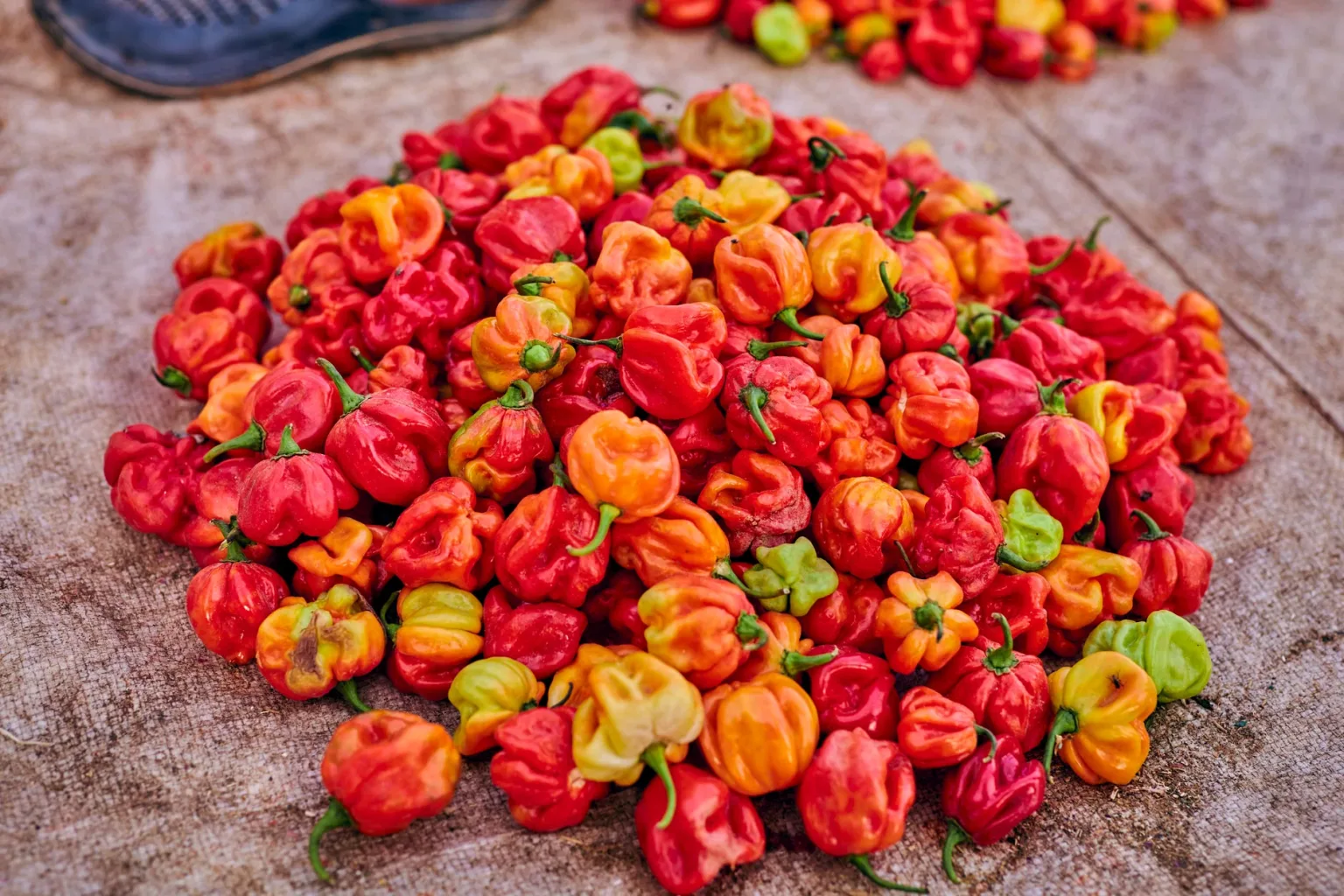
- Category
- Sauces and condiments
- State
- Paste
- Usual unit
- tablespoon
What it is
This is the edible flesh of ripe, dried peppers, sold either ready prepared or extracted at home. Choricero peppers and ñoras are pepper varieties commonly used in dried form. To prepare a whole dried pepper, hydrate it, open it, and scrape out the flesh, leaving the skin and seeds behind. Ready-to-use pulp is a concentrated paste, not a fresh pepper. The two varieties can be used in similar kinds of cooking, but they do not have exactly the same flavor profile: ñora is often described as rounder and sweeter, while choricero has a different character. The variety named on the product therefore matters when choosing it for a recipe.
When to use it
Use this pulp when you want concentrated pepper flavor and a red hue in a sauce, stew, rice dish, or sofrito. It is useful in fish dishes, including preparations with cod, and can also be used with vegetables, potatoes, meat, or legumes. Jarred pulp is convenient when you do not want to hydrate and scrape dried peppers. Choose choricero or ñora according to the flavor intended by the recipe: although they serve similar culinary roles, they are not exact substitutes, and changing varieties can alter the dish.
How to use it
If using jarred pulp, add it to the recipe and mix it thoroughly with the other ingredients. Because it is a concentrated paste, begin with the amount called for and taste before adding more. It can be mixed into a sauce, sofrito, or stew, and used alongside fish, vegetables, or potatoes. To extract pulp from a whole dried pepper, hydrate it, open it, and scrape out the flesh; set aside the skin and seeds, then add the flesh to the dish. Do not treat ñora and choricero as exact equivalents: use the variety specified, or expect a different flavor profile.
Flavour and texture
The pulp has concentrated pepper flavor and a paste-like texture that blends readily into sauces and stews. Its main culinary contributions are flavor and color; the exact intensity depends on the variety and product. Ñora is often described as sweet, while choricero has a different profile. Do not assume the two taste alike or that every product is hot: the available evidence does not establish the heat level of all versions.
How to choose it
Check that the label clearly identifies the pulp as choricero or ñora, since the flavors are not identical. Read the ingredient list, allergen information, and manufacturer directions, especially if the product contains additional ingredients. If you prefer to extract the pulp yourself, look for whole dried peppers in good condition and confirm that the variety matches the recipe. Do not rely only on color or packaging appearance; the product name helps you identify what you are buying.
Storage
Store the product according to the conditions on its label; jars and other formats may not all have the same storage requirements. After opening, check the manufacturer’s directions for how to close it, where to keep it, and how long to use it. Keep the container closed between uses and use clean utensils to serve the pulp. If the label does not give clear storage instructions, ask the manufacturer or seller rather than guessing a temperature or use-by period.
Substitutions
Ñora and choricero pulp have similar culinary functions, but their flavors differ; replacing one with the other can change the result and should not be treated as an automatic one-for-one swap. For the closest match, use the variety specified in the recipe. If it is unavailable, you can leave the pulp out and adjust the dish, bearing in mind that some of its characteristic flavor and color will be missing. There is no universal substitution ratio supported for every product.
Common mistakes
A common mistake is assuming ñora and choricero peppers are identical and swapping them without considering their different flavors. Avoid adding a large amount all at once: the pulp is concentrated and can dominate the dish. When extracting pulp from a dried pepper, do not accidentally include the skin or seeds; scrape out the flesh and follow the recipe’s preparation method.
Safety and allergens
Read the product label and follow its storage and use directions, since products and ingredients can vary. Check the package’s allergen information, especially for preparations containing other ingredients. No specific official warning for this pulp is available here; do not consume it if the product looks or smells abnormal or its packaging is damaged.
Culinary uses
- Aportar sabor concentrado y color rojo a guisos y salsas
- Servir de base o condimento para preparaciones de pescado, verduras, carne y embutidos
Recommended techniques
- Incorporar la pulpa directamente a guisos, salsas o sofritos
- Para obtenerla de un pimiento seco, hidratarlo, abrirlo y raspar la pulpa, retirando piel y semillas
Pairs well with
- Pescado, incluido el bacalao
- Patatas, verduras y legumbres
- Arroces y salsas
Frequently asked questions
Are ñora and choricero pepper pulp the same?
Not exactly. They are used in similar ways, but their flavor profiles differ, so swapping one for the other can change a recipe.
How do I get pulp from a dried pepper?
Hydrate the pepper, open it, and scrape out the fleshy part. Set aside the skin and seeds before adding the pulp to the dish.
What dishes can use this pulp?
It can be added to sauces, stews, rice dishes, and sofritos, and used with fish, vegetables, potatoes, meat, or legumes.
Sources and review
Automatically researched, cross-checked and validated content. Sources consulted:
- En el etiquetado alimentario hay algunas menciones que son obligatorias eletiquetadocuentamucho.aesan.gob.es
- Conservando los Coloridos Pimientos del Huerto extension.psu.edu
- ¿Por qué la muerte es origen de miedos y tabúes? doi.org
- Informe del Comité Científico de la Agencia Española de ... aesan.gob.es
- Pimientos | Center for Community Health communityhealth.ucsd.edu
- Pimiento choricero - Wikipedia, la enciclopedia libre es.wikipedia.org
- Pimiento choricero: qué es, propiedades y usos en cocina bonviveur.com
- Diferencia entre pimiento choricero y ñora anchoasdeluxe.com
- Diferencias entre ñora y pimiento choricero: dos joyas culinarias | El arte de comer bien | mentta mentta.com
- Pimiento choricero: características, usos, propiedades y cultivo en detalle jardineriaon.com
- Ñora: qué es, para qué sirve y su diferencia con el pimiento choricero uncomo.com
- Variedades de pimientos más populares y algunas recetas con ellos hola.com
- Pienso...luego cocino: Ñoras, pimientos choriceros y pimentón pienso-luego-cocino.blogspot.com
- Pimiento choricero, el rey de los guisos de norte: qué es, cómo utilizarlo y 16 recetas para cocinar con él directoalpaladar.com
- ¿Conoces la diferencia entre ñora y pimiento choricero? - RAJOPE rajope.es
- Pimiento Choricero: Usos, ¿Qué es? y su Carne para Cocinar donsabores.com
- PULPA PIMIENTO CHORICERO 12X140 jetextramar.com