- Category
- Other
- State
- Fresh
- Usual unit
- unit
What it is
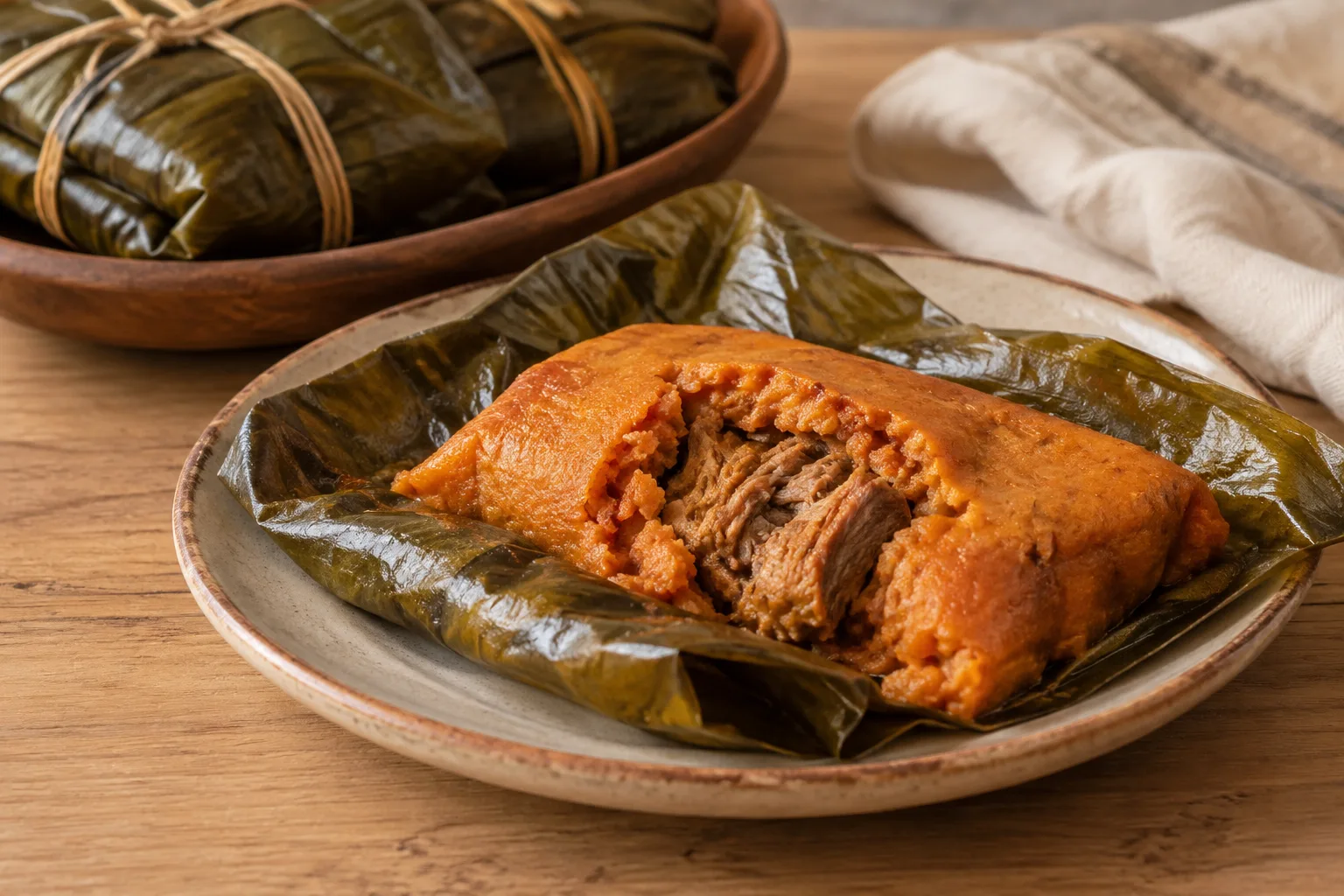
The product is supplied under the name “Cibaque” and is also described as strips for tying. However, the evidence provided does not identify the material, plant, or product from which it comes, nor confirm its composition or culinary purpose. The available sources concern other topics and do not corroborate cibaque as an ingredient, utensil, or material suitable for food contact. It is therefore not possible to describe its manufacture, characteristics, or kitchen function reliably. This profile retains the broad category “other” and treats the supplied name as unverified. The lack of information does not prove that the product is unsuitable; it means there is no basis for claiming that it is safe or appropriate for cooking.
When to use it
There is not enough evidence to recommend when cibaque should be used in a preparation. In particular, it has not been confirmed that the strips are suitable for food contact or can be exposed to heat, moisture, or cooking. Do not use them to tie, wrap, or secure food based only on the name or appearance. Before considering that use, confirm the exact product identity and seek reliable information that expressly authorizes food contact and describes the intended use. If you cannot verify those details, culinary use cannot be recommended.
How to use it
The available evidence does not support a responsible cooking procedure: the material’s composition, strength, treatment, and suitability for contact with food are unknown. It has also not been established whether it should be soaked, washed, cut, heated, or removed after use; recommending any of these actions would invent instructions. Before using the product, confirm its identity and that the manufacturer’s information expressly authorizes food use. If you cannot verify this, do not use it to tie or wrap food. Do not replace that verification with a home test, which would not establish the material’s composition or suitability.
Flavour and texture
There is no verified information about cibaque’s flavor, aroma, texture, or behavior. Do not assume that it is flavorless, flexible, heat-resistant, or suitable for chewing. The description “tying strips” does not confirm these characteristics or clarify whether the product should be removed before serving. Until the material is identified, it cannot reliably be described as an ingredient or an edible item.
How to choose it
The evidence does not support recommendations about cibaque varieties, appearance, origin, or format. If you are considering a product for cooking, check that its identity is clear and that the manufacturer’s information expressly authorizes food contact and the use you need. Do not infer suitability from the name, plant-like appearance, or strip shape. If the product does not provide information that confirms what it is and what it is authorized for, do not choose it for preparing food.
Storage
No storage methods or durations have been documented for this product. Refrigeration, freezing, dry storage, or a specific shelf life cannot be recommended. Follow only directions provided by the manufacturer for the identified product. Keep it separate from food until its suitability for food use is confirmed. Do not assign it a shelf life or storage conditions that have not been specified.
Substitutions
There is no basis for suggesting a direct substitute because both cibaque’s material and its intended culinary task are unknown. If you need to tie a preparation, choose a product identified and labeled for the specific food use you have in mind. Do not assume that string, plant fiber, or a similar-looking strip is equivalent: appearance does not confirm composition or suitability for cooking.
Common mistakes
The main mistake would be treating the name “cibaque” as proof that the product is an ingredient or a cooking-safe tie. It would also be unjustified to assume that it withstands heat, transfers no substances, or can touch food because it looks like a plant strip. The available evidence confirms none of these properties. Verify the identity and stated use first; if you cannot do so, do not recommend it for preparing, wrapping, or securing food.
Safety and allergens
The supplied evidence contains no specific official warning about cibaque. As a proportionate precaution, do not let it contact food until the product is identified and its suitability for the intended food use is confirmed. Follow the directions available for the identified product.
Culinary uses
- Función culinaria no verificada; no se recomienda como ingrediente.
- Uso para atar alimentos no confirmado.
Recommended techniques
- No hay técnicas culinarias verificables para este producto.
- No usar para envolver, atar o calentar alimentos sin confirmar su aptitud para ese uso.
Pairs well with
- No hay combinaciones con alimentos verificadas.
- No se puede recomendar un alimento para atar o envolver con este material.
Frequently asked questions
What is cibaque?
The name is associated with tying strips, but the available sources do not verify what material they are made from or how they are used. Their identity and culinary function are unconfirmed.
Can I use these strips to tie food?
The evidence does not confirm that they are suitable for food contact, heat, or cooking. Do not use them with food without reliable information expressly authorizing that use.
What can I use instead?
No equivalent substitute has been established. For tying, choose a product identified and labeled as suitable for the specific food use you need.
Sources and review
Automatically researched, cross-checked and validated content. Sources consulted:
- ¿Por qué la muerte es origen de miedos y tabúes? doi.org
- Client Challenge doi.org
- ¿Qué es el maridaje de sabores? - Hostelería Benidorm hosteleriabenidorm.com
- Tipos de Maridaje: de afinidad o contraste | Bartalent Lab bartalentlab.com
- Cuscús: origen, variedades, recetas y otras curiosidades sientemarruecos.viajes
- Qué es el maridaje: El arte de lograr la armonía perfecta entre gastronomía y bebida | Grupo Dani García grupodanigarcia.com
- Zumaque o sumac, la especia imprescindible de Oriente Medio: qué es, a qué sabe y cómo usarla en la cocina directoalpaladar.com
- Maridajes poco habituales perfectos para winelovers - CestaShop cestashop.com
- ¿Cómo hacer un maridaje perfecto? | SumiVin sumivin.com
- Qué es el Cuscus: ingrediente arabe | Recetas Nestlé recetasnestle.com.ec
- Especias y condimentos en la cocina de al-Ándalus I - FUNCI - Fundación de Cultura Islámica funci.org
- Gastroteca: diccionario de gastronomía, cocina y alimentación bonviveur.com
- Zumaque | Gastronomía & Cía gastronomiaycia.com
- Elementos del maridaje. La textura. – Terroaristas, el Blog del VINO terroaristas.com
- Maridaje sin alcohol: guía sensorial para combinarlo bien – Aflamas Restaurant aflamas.com
- Tipos de Maridaje y cómo hacerlos – Tamaral tamaral.com
- Maridaje Cócteles y Tapas: Guía Completa 2026 | Stillroom Madrid stillroom.co