- Category
- Fish and seafood
- State
- Fresh
- Usual unit
- kg
What it is
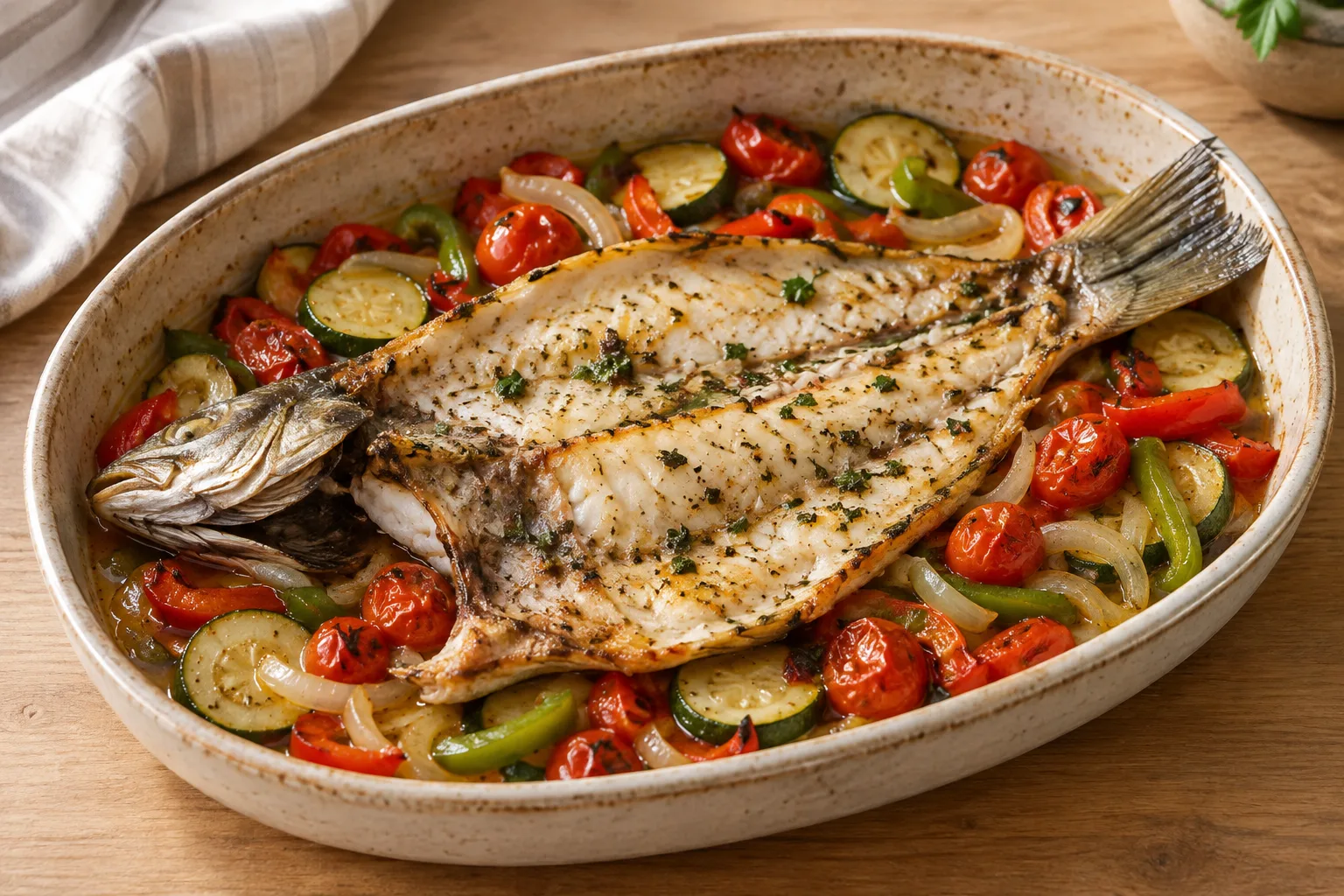
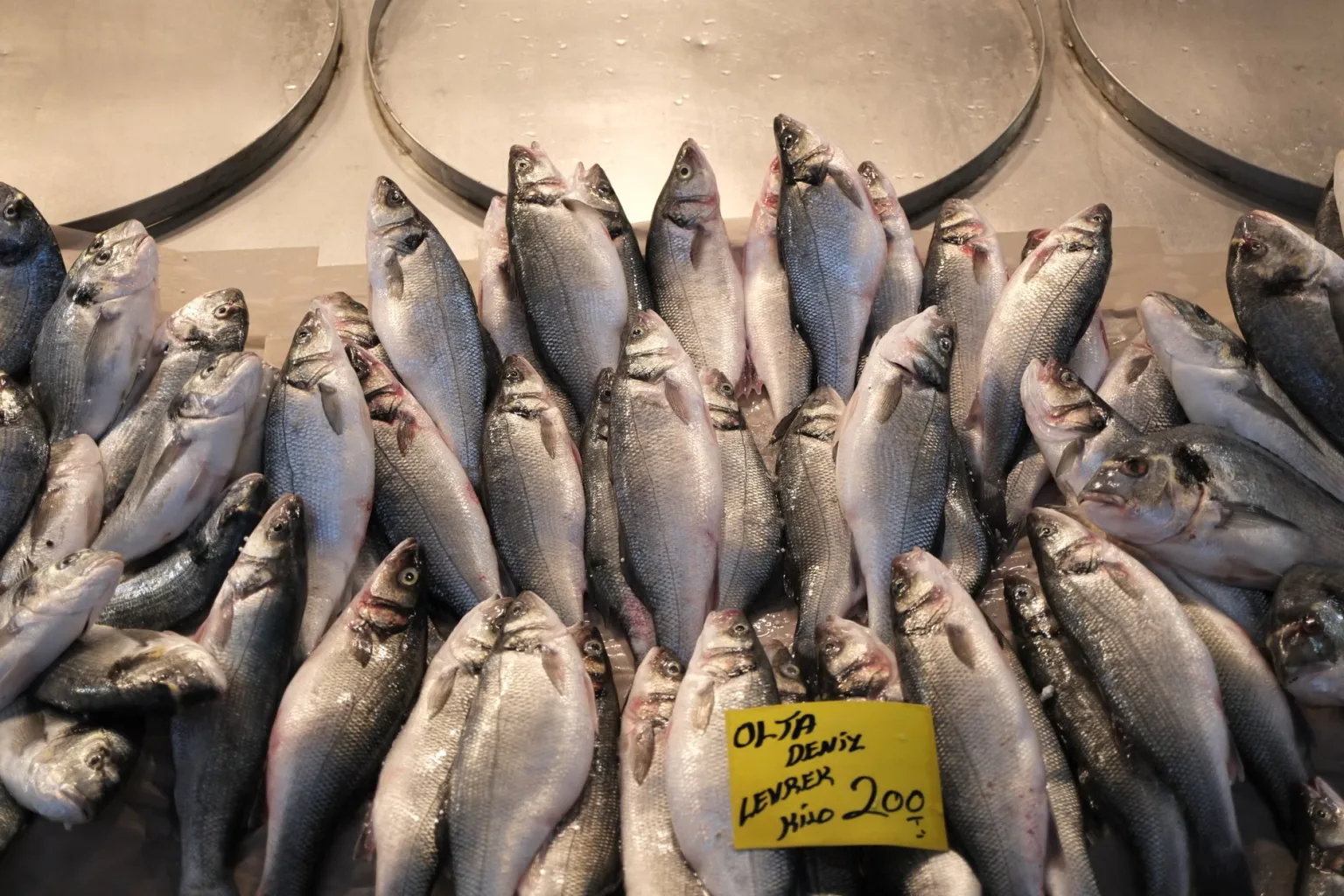
This is fresh sea bass that has been cleaned and split lengthwise so it opens out like a book. The shape makes it convenient to lay flat on a griddle, baking tray or grill. Culinary sources describe sea bass as having a delicate flavour and firm flesh, and include preparations for butterflied fish as well as fillets and whole fish. A common market name alone does not confirm the exact species or provenance, so check the product information or ask the fishmonger if those details matter to your purchase.
When to use it
Choose this cut when you want to cook the fish spread out and serve it as a main course, for example on a griddle, in the oven or on a grill. It can also be cooked in papillote with vegetables and herbs. Because it is already opened, it is practical for seasoning the exposed surface and cooking the fish as one piece. If a recipe calls for separate fillets, you may need to cut the flesh away first; if it calls for a whole fish, buy that presentation instead.
How to use it
Check the seller’s or package’s storage information before cooking; the sale format can affect which use and storage details are supplied. Keep the fish opened out and season it simply. Cook it on a griddle, in the oven or on a grill, or wrap it in papillote with vegetables and aromatic herbs. Lemon, olive oil, garlic and herbs are documented accompaniments for sea bass. Do not assume a fixed cooking time: thickness and recipe affect cooking. If your recipe needs fillets, separate them before you begin or choose that cut. Check carefully for any bones when serving.
Flavour and texture
Sea bass is described as having a mild, delicate flavour and firm flesh; careful cooking can leave it juicy. The butterflied presentation exposes more of the flesh than a whole fish, but the available evidence does not establish a different flavour because of the cut. Lemon, garlic and herbs can accompany its profile, but they are not inherent characteristics of the fish.
How to choose it
Look for a label or sales description that clearly identifies the fish and states that it is cleaned and butterflied. If you need the exact species, origin, production method or use-by date, check the product information or ask the seller: the common name and preparation alone cannot confirm them. For packaged fish, also read any storage and use instructions on the label.
Storage
Follow the storage instructions and date supplied on the package or by the seller, since requirements can depend on how the fish is sold. Keep the product information with the fish, and do not infer a specific shelf life from the fact that it is cleaned or butterflied. If you do not have storage guidance, ask the retailer before storing or using it.
Substitutions
The closest substitutes are other sea bass presentations: separate fillets or a cleaned whole fish. They are the same fish, but shape and thickness change how the fish sits in a pan or tray and can affect cooking. The available evidence does not support naming another species as an exact equivalent; if you use a different fish, check that it suits the recipe and ask the seller if needed.
Common mistakes
Do not assume that “butterflied” means the fish has been divided into boneless fillets: the halves may remain joined and bones may still be present. Nor does the market name confirm exact origin, species or a standard cooking time. Check the label for storage guidance and match the method to the fish’s actual shape and thickness.
Safety and allergens
Fish is an allergen to take into account. Read the product’s allergen information and storage and use instructions; ask the seller if necessary information is missing. This guide does not specify a shelf life or a particular storage method.
Culinary uses
- Plato principal de pescado
- Pieza lista para asar o cocinar a la plancha
Recommended techniques
- A la plancha
- Al horno
- A la parrilla
- En papillote
Pairs well with
- Limón y hierbas aromáticas
- Hinojo y verduras
- Aceite de oliva y ajo
Frequently asked questions
What does butterflied sea bass mean?
It means the fish has been opened lengthwise and laid out like a book, as well as cleaned. Check whether the halves remain joined and whether bones are present before choosing a recipe.
Which cooking methods can I use?
The culinary evidence includes griddling, baking, grilling and cooking in papillote. Choose a method that suits the recipe and the fish’s shape; there is no single cooking time for every size.
Can I use sea bass fillets instead?
Yes. Fillets are another presentation of the same fish. Arrange them differently and adjust cooking to their thickness rather than automatically following directions for a butterflied piece.
Sources and review
Automatically researched, cross-checked and validated content. Sources consulted:
- En el etiquetado alimentario hay algunas menciones que son obligatorias eletiquetadocuentamucho.aesan.gob.es
- La lubina y sus secretos culinarios friolisa.es
- Todo lo que debes saber sobre la Lubina: origen, recetas y beneficios para la salud - Recetario Global recetarioglobal.com
- Lubina: Origen, Beneficios y Preparación. - Harry's harrys.com.mx
- Lubina es.openfoodfacts.org
- Lubina, hinojo y salsa tártara | El Diario Montañés eldiariomontanes.es
- La lubina en inglés: comparativa de los mejores productos para preparar este delicioso pescado en tu cocina napai.es
- Las 35 recetas con lubina más saludables y ligeras nuevoestilo.es
- Recetas de lubina irresistibles: frescas y deliciosas cookpad.com
- Lubina, preparaciones sencillas | Consumer consumer.es
- ¿Qué es la ciencia abierta? doi.org
- Cómo cocinar una lubina fácilmente y sin complicaciones crianzamaresyriosdespana.es