- Category
- Grains, flour and pasta
- State
- Dry
- Usual unit
- g
What it is
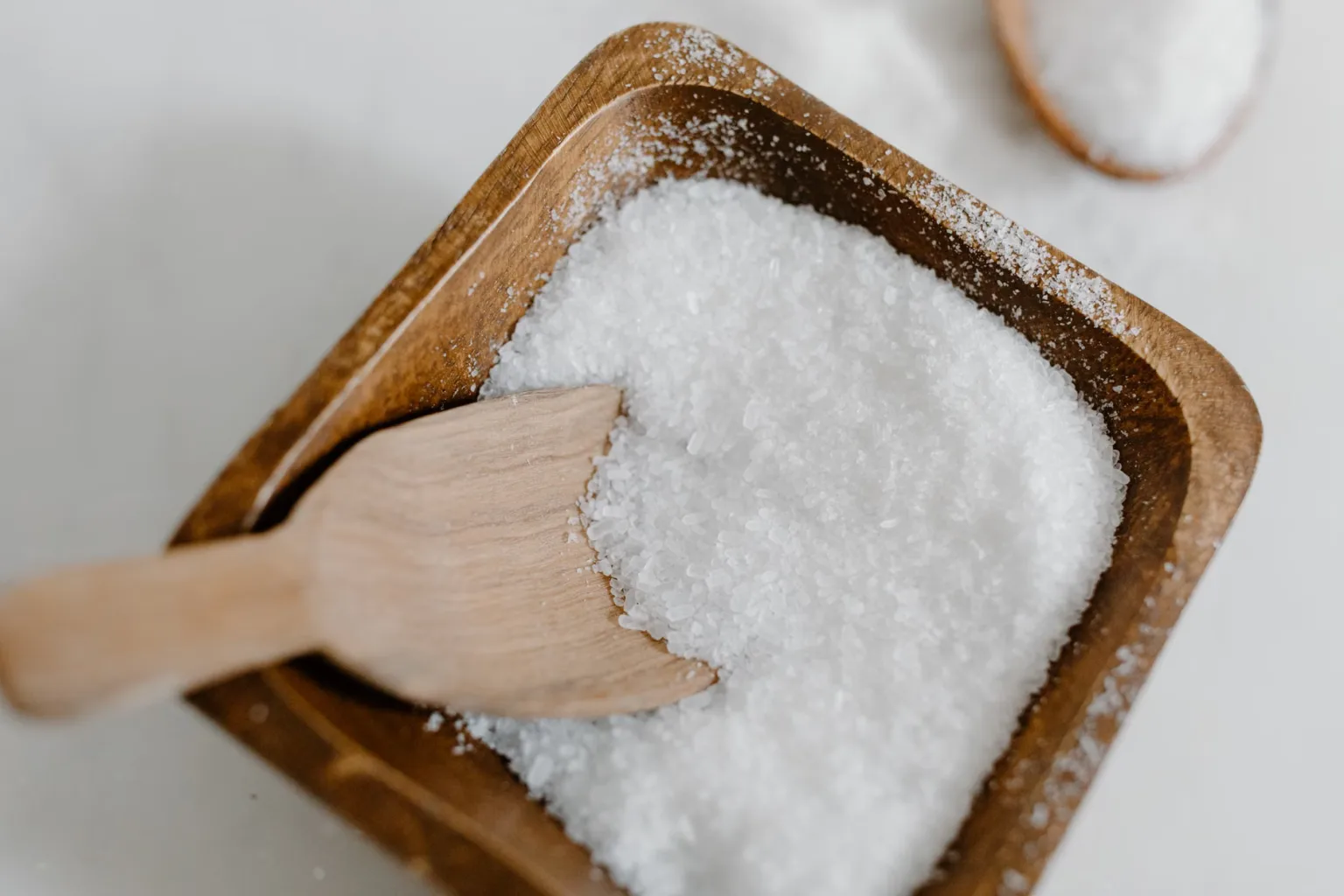
Semolina is a milled product with a coarser texture than fine flour. It can be made from different grains, including wheat, corn or rice, and is sold in different particle sizes. For that reason, “coarse semolina” mainly describes texture, not necessarily a specific grain or a single culinary use. The grain, milling size and parts of the grain retained affect how it behaves when cooked. Durum wheat semolina is used for pasta and savory preparations, among other things; soft wheat semolina can produce creamier porridge, while corn semolina is used for polenta. Read the full product name and ingredient list to identify what you have.
When to use it
Use coarse semolina when you want a granular texture or body in a dish, provided the grain and particle size suit the recipe. Depending on the variety, it may be used in soups, porridge, doughs, pasta or polenta-style dishes. Do not assume every coarse semolina works alike: recipes may specify durum wheat, soft wheat, corn or another grain, and those differences affect the finished texture. If a recipe does not name the variety, check the package and choose a preparation suited to that grain.
How to use it
First identify the grain and particle size on the package; instructions for one variety do not automatically apply to another. For a cooked preparation, add the semolina to liquid as directed by the recipe and stir as needed to distribute the grains. Soft wheat semolina is associated with creamy porridge; corn semolina can be cooked as polenta, which may be served soft or firm. Semolina can also be used in doughs, pasta and baked goods when a recipe is designed for that variety. Adjust liquid and consistency according to the product or recipe instructions instead of relying on universal cooking times.
Flavour and texture
Semolina is generally mild in flavor, though the grain affects its character. Its defining feature is a granular texture, which feels more or less pronounced depending on particle size and cooking. Durum wheat semolina is associated with preparations that hold their shape, while soft wheat semolina can make porridge creamier. Corn semolina has its own uses, including polenta. Color also varies with the grain and product, so do not use color alone to identify what is in the package.
How to choose it
Read the full product name and ingredient list: semolina may be made from wheat, corn, rice or other grains. Check the particle size and any suggested use, such as polenta, porridge or pasta. If you need a particular texture, make sure the product is coarse rather than fine semolina or flour. When the grain matters for a recipe or dietary needs, do not rely on appearance or color alone; verify the label.
Storage
Store the product according to the package directions and reseal it after opening. Dry semolina should not be treated as a fresh ingredient simply because a product record labels it that way: it is a milled cereal product. If the package gives no special instructions, keep it away from moisture and protected from contamination in the pantry. No shelf life is specified here because it depends on the product and its labeling.
Substitutions
There is no universal substitute: switching from wheat to corn or rice changes how the product behaves and the final result. A finer grind may work in some recipes, but the dish may be less granular and may need liquid adjustments. Corn semolina is an option for polenta-style dishes, not an identical replacement in every wheat recipe. Match the grain and texture specified by the recipe whenever possible.
Common mistakes
Do not assume all semolina is made from durum wheat or that coarse and fine semolina cook in the same way. Another common mistake is changing grains without adapting the recipe: texture changes, and dough structure may change too. Also check whether the product is semolina or prepared couscous; they are not the same product.
Safety and allergens
Check the grain listed on the package, especially if you need to avoid an ingredient because of an allergy or intolerance. The word “semolina” alone does not confirm that a product is wheat-based or gluten-free. Prepare and handle the product according to its package instructions.
Culinary uses
- Base granulada para gachas y preparaciones cocidas
- Ingrediente para masas, pasta y productos horneados
- Acompañamiento o guarnición en preparaciones de cereal
Recommended techniques
- Cocer en líquido, removiendo según la preparación
- Hidratar para formar una preparación granulada
- Incorporar a masas o mezclas antes de cocinar u hornear
Pairs well with
- Sopas y preparaciones caldosas
- Verduras y salsa de tomate en preparaciones con sémola de maíz
- Ingredientes dulces en gachas y postres
Frequently asked questions
Is coarse semolina always made from wheat?
No. Semolina can be made from different grains. Check the ingredient list to identify the grain in your product.
Can I use it to make polenta?
Polenta is made with corn semolina. Check that your product is corn-based and follow the recipe or package directions.
Is coarse semolina the same as couscous?
Not necessarily. Semolina is a milled product; couscous is made by moistening and agglomerating semolina into small granules and preparing it.
Sources and review
Automatically researched, cross-checked and validated content. Sources consulted:
- Client Challenge doi.org
- The Essential Glossary of Cooking Terms for the Culinary Arts - Escoffier escoffier.edu
- Dictionary of Health Related Terms: English – Spanish hia.berkeley.edu
- Qué es la sémola: usos, tipos y diferencias legumbresmiau.es
- ¿Qué es la sémola? Todo lo que necesitas saber | Garofalo pasta-garofalo.com
- Sémola cruda (¿orgánica?) | Fundación G+E diet-health.info
- Desarrollo de harina a base de arroz (Oryza sativa), ... bdigital.zamorano.edu
- Colonoscopy: How to prepare with GoLytely - Health Online healthonline.washington.edu
- MEJORAMIENTO DE LA CALIDAD NUTRICIONAL Y ... vtechworks.lib.vt.edu
- Descontaminación de efluentes de la industria cervecera ... repositorio.ucam.edu
- 21411279 CAMPUS: SAN PEDRO SULA; ENERO, 2021 repositorio.unitec.edu
- de la republica bolivariana de venezuela virtual.urbe.edu
- Todo lo que necesitas saber sobre la sémola | LÉKUÉ lekue.com
- Conocé todo sobre la sémola de trigo | Recetas Nestlé recetasnestle.com.ar
- Cuscús ecológico (sémola de trigo): qué es, propiedades y recetas distribucionesballester.es