- Category
- Drinks
- State
- Liquid
- Usual unit
- ml
What it is
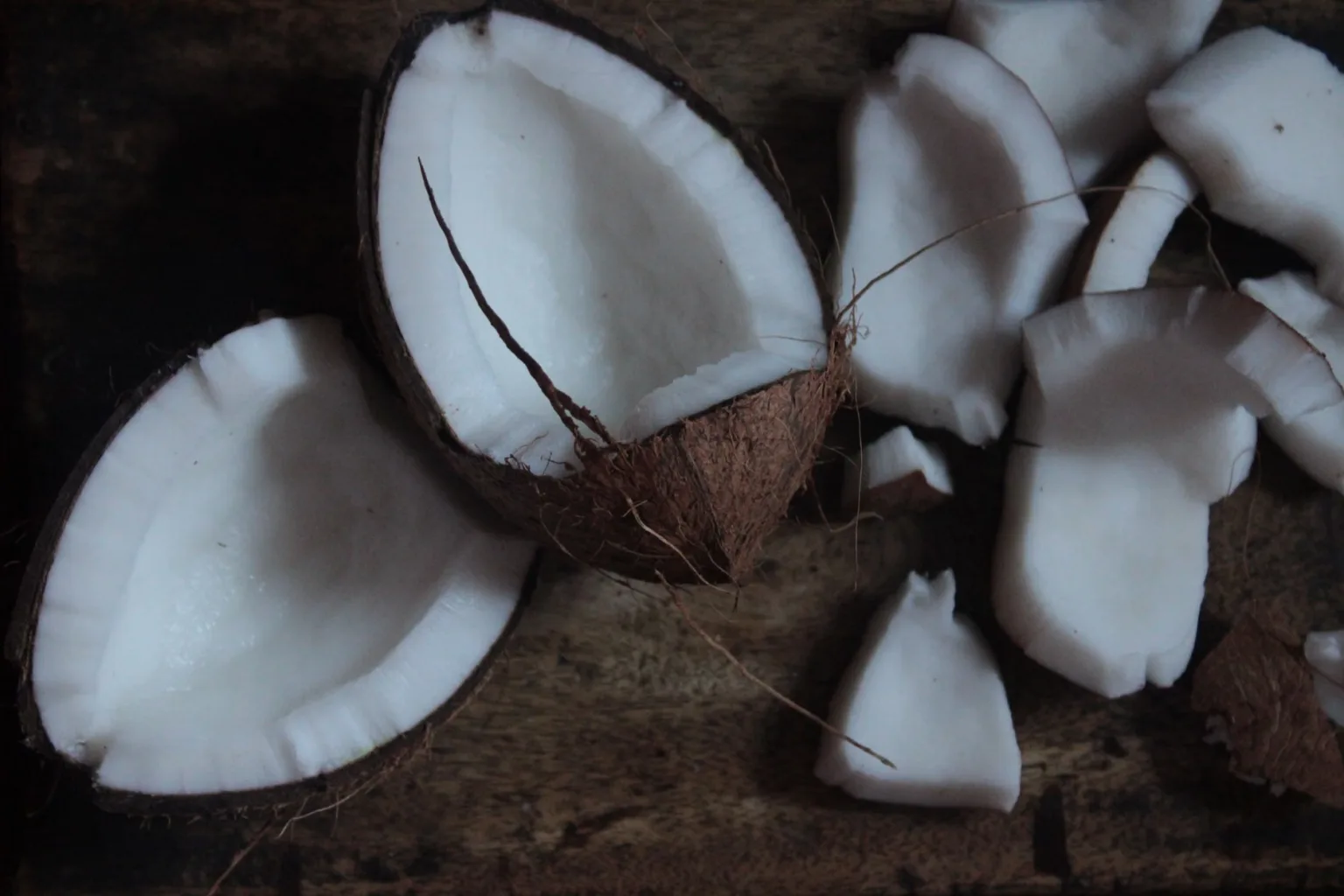
Coconut water is the clear or slightly cloudy liquid naturally found inside a coconut. It is not the same as coconut milk, which is made by blending coconut flesh with water, or a plant-based coconut drink, which may combine water, coconut, and other ingredients. It is available fresh inside the fruit and in packaged forms. Flavor and composition can vary with the fruit and processing, so check the label of the product you choose.
When to use it
Use it when you want a mild, refreshing drink, either on its own or as an occasional alternative to your usual beverages. It can also be used in cocktails. There is no need to reserve it for after exercise or treat it as superior to water for everyday hydration: the supplied evidence does not establish a clear advantage over water or other rehydration solutions. If you choose it for its taste, check whether the product contains added sugar or sweeteners.
How to use it
Serve coconut water on its own or use it as part of the liquid in a cocktail. Before using a packaged version, check the ingredient list and product information: some products may be made from concentrate or include added ingredients, and composition is not identical across brands. Do not confuse it with coconut milk, which contains blended coconut flesh and has a creamier texture, or with a plant-based coconut drink. In recipes, use it where the light character and distinctive flavor of coconut water are wanted; the available evidence does not provide preparation ratios or timings.
Flavour and texture
Coconut water has a mild, slightly sweet flavor and a light, fluid texture. It can be clear or somewhat cloudy. Flavor and composition vary among coconuts and packaged products, so one brand may not taste exactly like another. It is not as creamy as coconut milk, which is made by blending coconut flesh with water.
How to choose it
Read the product name and ingredient list to make sure you are buying coconut water rather than coconut milk or a plant-based coconut drink. Check whether it is pure coconut water or made from concentrate, and whether it contains added sugars or sweeteners. Composition can differ by brand and processing method, so the label is the best guide to the particular product rather than assuming all cartons or bottles are alike.
Storage
The supplied material does not establish storage times or temperatures that apply to every format. Follow the instructions on the product you buy, since coconut water is sold fresh inside the fruit as well as in packaged forms. After opening a packaged product, consult its label for specific directions and do not assume that handling instructions for one format apply to another.
Substitutions
For a neutral-tasting everyday drink, choose water instead of coconut water. They are not interchangeable when the specific flavor of coconut is wanted. Coconut milk and plant-based coconut drinks are not equivalent substitutes either: they are different products with different textures and compositions. In cocktails, another refreshing drink may work as an alternative only if you are happy to change the flavor.
Common mistakes
Do not confuse coconut water with coconut milk or a plant-based coconut drink: they are different products and do not have the same texture. Another mistake is assuming all packaged versions are alike; check whether the product is made from concentrate and whether it contains added sugars or sweeteners. Do not describe it as better at hydrating than water: the available evidence does not support that superiority.
Safety and allergens
The available evidence indicates that some people may have a specific coconut allergy, although a tree-nut allergy does not automatically mean a reaction to coconut. The supplied material does not include a product-specific official safety warning. If you have a known allergy, check the label and follow advice from a healthcare professional.
Culinary uses
- Bebida refrescante para tomar sola
- Base líquida para cócteles y otras bebidas
Recommended techniques
- Servir como bebida, fría o a la temperatura deseada
- Incorporar como líquido en cócteles
Pairs well with
- Cócteles
- Otras bebidas refrescantes
Frequently asked questions
Is coconut water the same as coconut milk?
No. Coconut water is the liquid found inside the fruit. Coconut milk is made by blending coconut flesh with water and is creamier.
Is all packaged coconut water the same?
Not necessarily. Products can vary with processing and ingredients; check the label to see whether it is made from concentrate or contains added sugars or sweeteners.
Can I use coconut water in cocktails?
Yes. The available evidence mentions its use in cocktails. Use it when you want to add coconut water’s light, distinctive flavor.
Does it hydrate better than water?
The available evidence does not establish a clear advantage over water for everyday hydration.
Estimated nutrition
- Fat
- 0 g
- Saturates
- 0 g
- Carbohydrate
- 4.62 g
- Sugars
- 4.23 g
- Fibre
- 0 g
- Protein
- 0 g
- Salt
- 0.03 g
Sources and review
Automatically researched, cross-checked and validated content. Sources consulted:
- The Essential Glossary of Cooking Terms for the Culinary Arts - Escoffier escoffier.edu
- Nutrition After Your Transplant - Health Online healthonline.washington.edu
- USDA FoodData Central libguides.marist.edu
- opinión científica aesan.gob.es
- Qué es la leche de coco, cómo utilizarla en cocina y siete recetas en la que brilla directoalpaladar.com
- News Archives - Nutrition Coordinating Center (NCC) ncc.umn.edu
- EFNEP Puerto Rican Foods Substitution Guide ucanr.edu
- Is coconut water ‘healthy’? | Ohio State Health & Discovery health.osu.edu
- The Control of Hypertension by use of Coconut Water and ... mona.uwi.edu
- Agua de coco: 10 beneficios - Formacion en Gastronomia formacionengastronomia.com
- Agua de coco: beneficios reales, mitos y precauciones inesalud.com
- Agua de Coco: el origen - Goya Europa - Cocina Latina goya.es
- Procesamiento, elaboración y producción de agua de coco | Tetra Pak Spain tetrapak.com