- Category
- Drinks
- State
- Liquid
- Usual unit
- ml
What it is
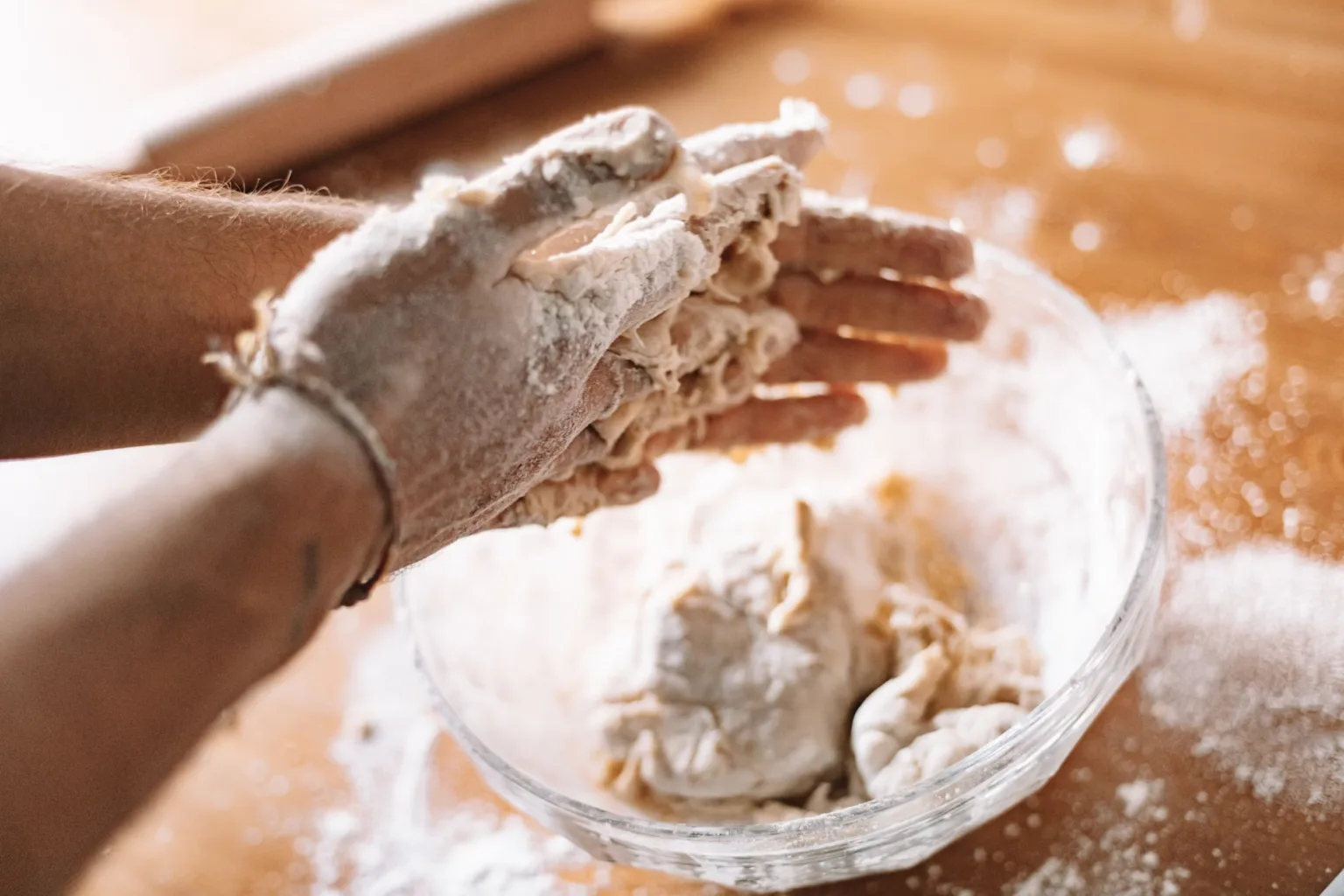
Cold water for dough is water used as the liquid in a flour mixture. Its temperature can be a process variable: a baking source says cold water can help limit the temperature rise caused by friction during kneading. It is not a special ingredient distinct from water, nor a guarantee of a particular result. Whether to use it depends on the recipe and process; the available evidence gives no numerical temperature, universal quantity, or rule that applies to every kind of dough.
When to use it
Consider it when you want to manage dough temperature during kneading, particularly if the process tends to warm the dough. The available culinary source links cold water with more controlled warming and slower or more controlled fermentation, but it gives no target temperature or direction that can be applied to every recipe. Do not choose it expecting it to shorten a refrigerated rest on its own: the same source says cold water does not directly reduce that rest time.
How to use it
Use cold water as the dough liquid when the recipe or process calls for it, and bear in mind that its temperature affects the dough temperature during mixing and kneading. The available evidence describes its use to limit friction-related warming and support more controlled fermentation, but provides no quantities, temperatures, or universal adjustment method. Do not treat cold water as a substitute for a refrigerated rest: the source consulted says it does not directly shorten that rest. If a recipe permits other liquids, sourdough may be made with liquids other than water, although the evidence does not establish that they are interchangeable in all doughs.
Flavour and texture
The evidence supplied does not describe a distinctive flavor or texture for cold water, or quantify how it changes a finished bake. The baking source focuses on temperature management during kneading and fermentation, rather than promising a specific texture. It would therefore be unsupported to claim that cold water alone creates a lighter crumb, a different crust, or a particular flavor; the outcome depends on the recipe and other process variables.
How to choose it
No recommendation is supplied about brand, mineral content, packaging, or a particular type of water for dough. This evidence gives no reason to seek a special culinary product: check what water and temperature the recipe specifies. If using bottled water, the supplied material does not establish that one kind is better. Follow local guidance on drinking-water suitability.
Storage
The available sources do not give a storage period or a special method for keeping water intended for dough. Do not infer a storage duration from advice to use cold water during kneading. Follow applicable local drinking-water guidance and keep the container clean; the supplied evidence does not support more specific storage instructions.
Substitutions
The sourdough source mentions that liquids such as milk, juice, or yogurt may be used in addition to water. This does not establish them as direct substitutes for cold water in every dough recipe. Changing the liquid may also change the mixture’s consistency or behavior; substitute only when the recipe allows it and follow its directions.
Common mistakes
Do not assume that cold water removes or shortens a refrigerated rest: the consulted source says it does not directly do so. Do not apply a universal temperature or quantity that the sources do not provide. Also avoid treating milk, yogurt, or other liquids as identical replacements in every dough; suitability depends on the recipe.
Safety and allergens
Use water suitable for drinking and follow any local water advisories. The supplied sources contain no specific warning about cold water for dough and establish no special storage rule.
Culinary uses
- Liquid for dough mixtures
- Temperature control during mixing and kneading
Recommended techniques
- Use cold water when mixing or kneading dough if temperature control is desired
- Account for water temperature when managing the dough’s temperature
Pairs well with
- Flour
- Sourdough starter
Frequently asked questions
Why use cold water in dough?
It may help manage dough warming during kneading. The available evidence gives no specific target temperature and does not guarantee a particular result.
Does cold water shorten a refrigerator rest?
Not directly. The culinary source consulted distinguishes using cold water during kneading from the duration of a refrigerated rest.
Can I replace the water with milk or yogurt?
Some sourdough preparations allow other liquids, including milk or yogurt, but that does not make them interchangeable in every recipe. Check the dough instructions.
Sources and review
Automatically researched, cross-checked and validated content. Sources consulted:
- Como Utilizar el Calabacin | CSU Extension extension.colostate.edu
- Agencia Española de Seguridad Alimentaria y Nutrición aesan.gob.es
- Términos culinarios piruletasdejamon.es
- Free Standing, Slide In, and Drop In Electric housing.illinoisstate.edu
- UCCE efforts improve quality of and demand for fresh ... ucanr.edu
- Qué es eso llamado epistemología, para qué sirve, por qué es inexcusable para la universidad y para la paz | Reencuentro. Análisis de problemas universitarios doi.org
- Todo lo que necesitas saber sobre la masa madre - Puratos puratos.es
- Su Propio Cultivo | Servicio de Extensión de OSU extension.oregonstate.edu
- Cocinar y Congelar Artículos de la Despensa de Alimentos extension.psu.edu
- USO DE AGUA FRIA - Scoolinary scoolinary.com