- Category
- Grains, flour and pasta
- State
- Fresh
- Usual unit
- g
What it is
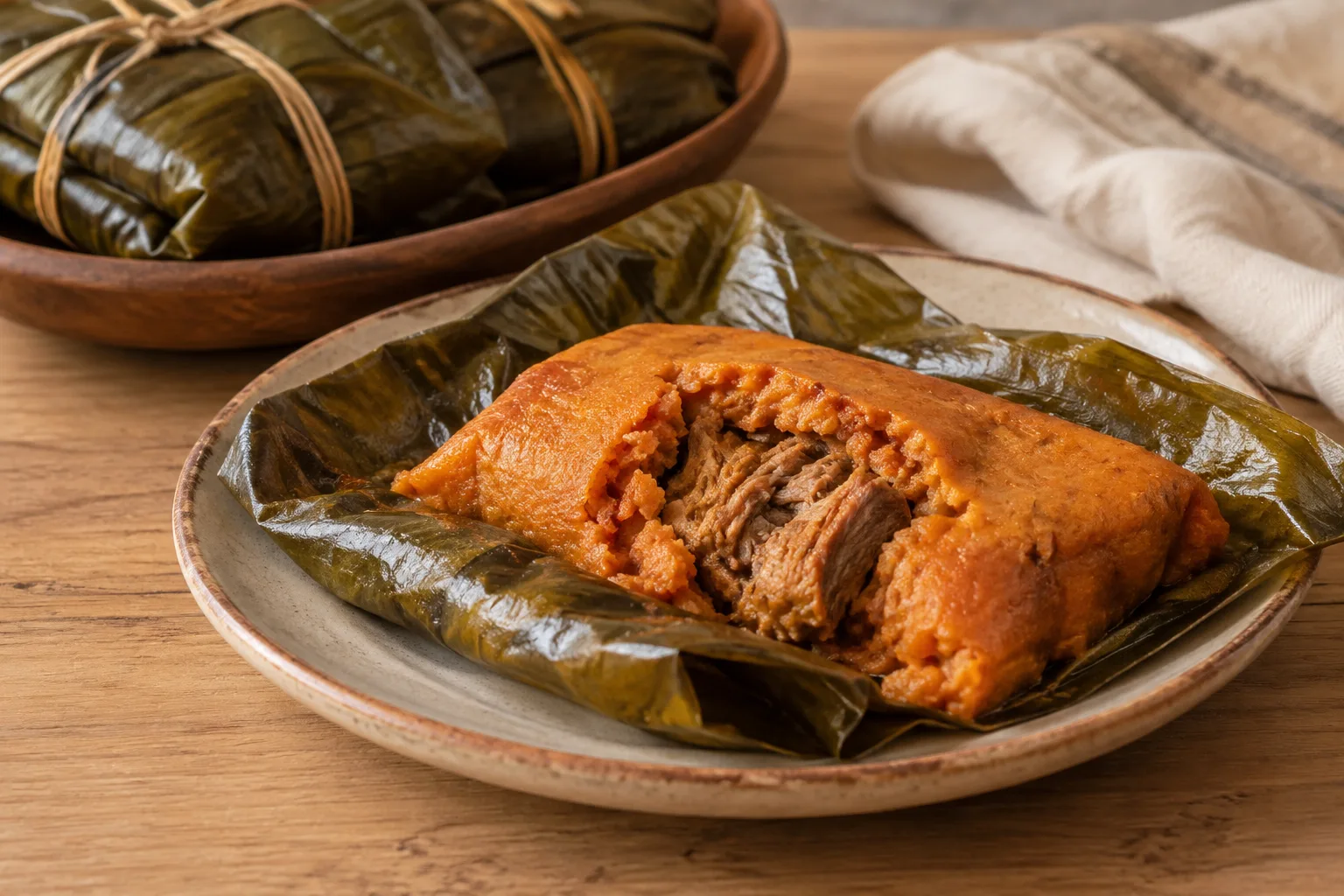
Corn dough is a moist, workable preparation made from ground corn. In the traditional tortilla process described by the sources, corn is first treated with an alkaline solution in a process called nixtamalization, rinsed, and then ground into masa. The term can also be used broadly for doughs made from corn products, so check the package to see whether you have fresh masa, dry masa harina, or a prepared mixture. Masa harina mixed with water is a different route from grinding nixtamalized kernels, though it can be used to make dough at home. Corn dough is used for tortillas and preparations such as tamales, gorditas, sopes, pupusas, arepas and atoles.
When to use it
Use it when you need a corn-based mixture that can be shaped, pressed or worked into tortillas and other preparations. It also suits filled dough dishes such as pupusas and traditional cooked preparations such as tamales and atoles. Choose the form that matches the recipe: ready-to-use moist masa and dry masa harina are not the same product and may need different handling. If a recipe depends on a flexible, workable dough, do not automatically substitute ordinary corn flour; the culinary source connects nixtamalization with a more flexible, pliable tortilla.
How to use it
When starting with kernels, the sources describe the general sequence of nixtamalizing the corn, rinsing it and grinding it into dough; details vary, so use a tested recipe for proportions and handling. With prepared dough, portion it and shape it; for tortillas, portions can be rolled into balls and pressed. Cook the finished preparation according to the recipe. Corn dough can also be used for filled dishes such as pupusas, or for tamales, gorditas and sopes. Check the consistency as you work: the sources describe workable dough but do not provide one universal water ratio for every commercial product. If using masa harina, mix it with water according to the package rather than assuming it behaves exactly like fresh masa.
Flavour and texture
Its defining flavor is corn, and freshly made corn tortillas are described as having a toasted-corn aroma. Properly prepared dough can be shaped and pressed. Nixtamalization is associated in the sources with tortillas that are flexible and pliable, although the result depends on the corn and process. Fresh masa is not the same as dry flour: moisture and degree of grinding affect how it handles. The available sources do not establish one flavor profile for every variety or commercial product.
How to choose it
Check the product name and ingredient information to distinguish fresh masa, masa harina and ordinary corn flour. These products are related but are not automatically interchangeable: masa harina is mixed with water, while the traditional masa described in the sources is made by grinding nixtamalized corn. Choose a product whose form and intended use suit the recipe, and follow the maker’s directions. The available evidence does not set universal appearance, smell or shelf-life criteria for selecting fresh masa.
Storage
The supplied sources do not state how long fresh corn dough keeps or specify a storage temperature or method for it. Follow the package or seller’s directions, and do not transfer advice given for other products, such as tortillas or dry grain, to fresh masa. If clear storage instructions are not available, ask the supplier before keeping the product for later use.
Substitutions
A practical alternative may be to make dough from masa harina and water, following the product directions. This is not identical to fresh masa made by grinding nixtamalized corn. Ordinary corn flour is used in some recipes, but it can produce a different result, particularly when a flexible, workable dough is needed. Match the substitute to the specific preparation rather than assuming all corn flours behave alike.
Common mistakes
Confusing fresh masa with dry masa harina or ordinary corn flour can change the texture and outcome of a recipe. Another mistake is assuming that there is one universal water ratio or method: the sources describe variation in both process and raw material. For tortillas, choose a product intended for that use and follow a recipe or package directions instead of substituting without checking the dough’s consistency.
Safety and allergens
The supplied official sources do not describe a specific hazard for corn dough. Follow the product’s handling and storage directions, and check applicable official food alerts if you have concerns about a particular product.
Culinary uses
- Base moldeable para tortillas y otras preparaciones de maíz
- Masa para preparaciones rellenas o cocidas, como pupusas y tamales
Recommended techniques
- Moler maíz nixtamalizado para obtener masa
- Formar y prensar porciones para tortillas
- Cocinar preparaciones elaboradas con masa
Pairs well with
- Queso como relleno o ingrediente
- Cebolla y jamón como ingredientes para preparaciones de masa
Frequently asked questions
Is corn dough the same as corn flour?
Not necessarily. Dough is a moist, workable preparation; masa harina is a dry product mixed with water. Ordinary corn flour may also behave differently.
What is nixtamalization?
It is the treatment of corn with an alkaline solution before the corn is rinsed and ground. The sources describe it as part of the traditional process for making tortilla masa.
What can I make with corn dough?
Documented uses include tortillas, tamales, gorditas, sopes, pupusas, arepas and atoles. The best use depends on the type of dough and the recipe.
Sources and review
Automatically researched, cross-checked and validated content. Sources consulted:
- The Essential Glossary of Cooking Terms for the Culinary Arts - Escoffier escoffier.edu
- La harina de maíz y sus diferentes usos en la cocina | masymas supermercados supermasymas.com
- Agencia Española de Seguridad Alimentaria y Nutrición aesan.gob.es
- How to Cook Corn Tortillas | Institute of Culinary Education ice.edu
- Women, Tortillas, and Mexican Economic History: A Conversation with Aurora Gómez americas.georgetown.edu
- Maíz: qué es, tipos y beneficios bonviveur.com
- informe anual de indicadores - agricultura, pesca y alimentación servicio.mapa.gob.es
- ¡Manos en la masa! - Berkeley Food Institute food.berkeley.edu
- Maize History rilab.ucdavis.edu
- Maize Mexican Grill — Authentic Mexican food in Champaign-Urbana i-links.illinois.edu
- Farmer's use of improved seed selection practices in mexican ... ageconsearch.umn.edu
- Ingredientes para la receta: El maíz — Cuaderno de Cultura Científica culturacientifica.com