- Category
- Bread and dough
- State
- Fresh
- Usual unit
- unit
What it is
A corn tortilla is a flat disc made from corn masa or, in some versions, corn flour prepared to form a dough. The traditional tortilla described in the sources uses corn treated through nixtamalization; a simple masa harina preparation can contain nixtamalized corn flour and water. Commercial formulas can differ, so the package is the guide to a particular product’s ingredients. Tortillas vary in color, thickness, and size according to the corn and the method used. They may be eaten warm and soft, or changed by baking or frying into crisp strips, tostadas, or totopos.
When to use it
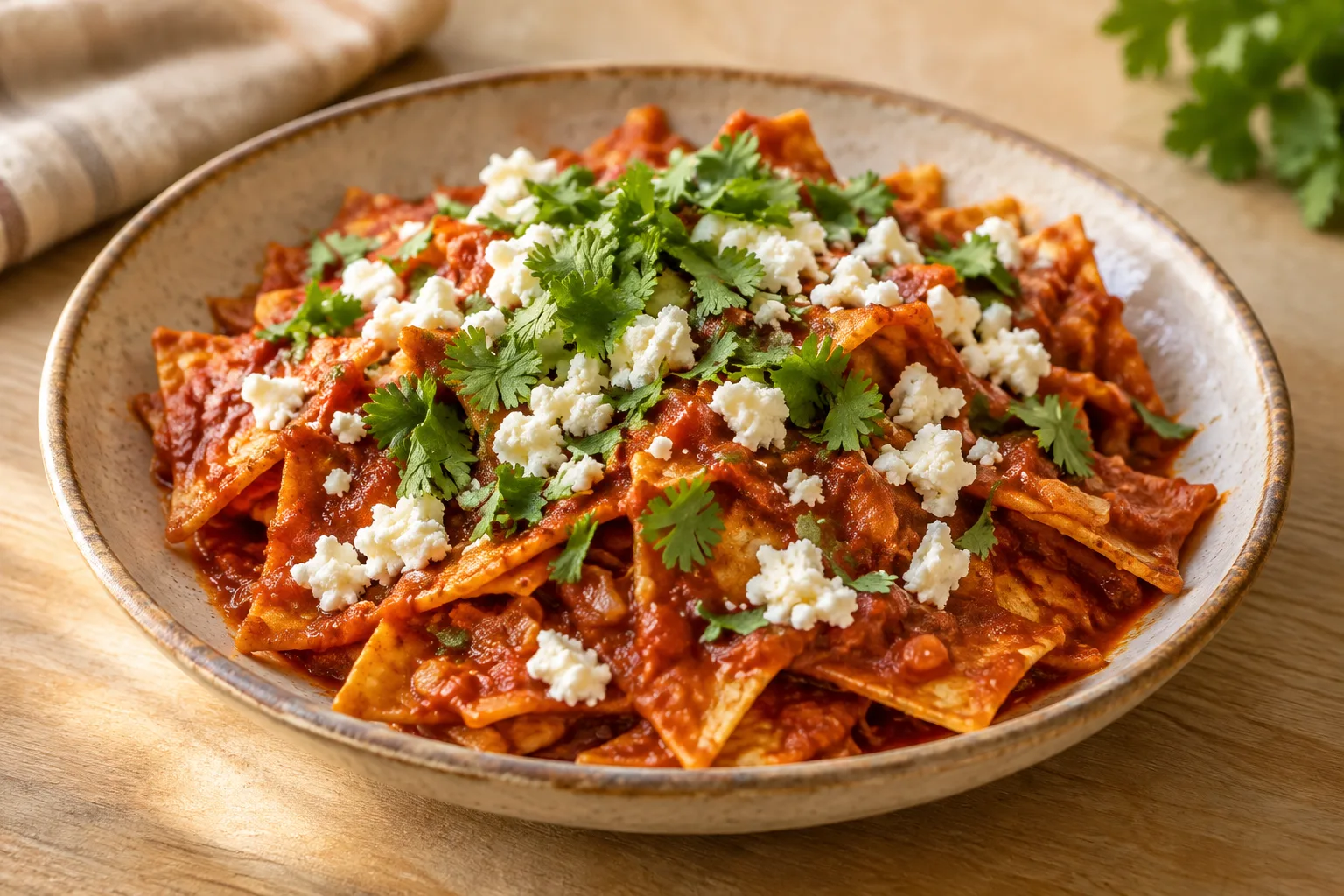
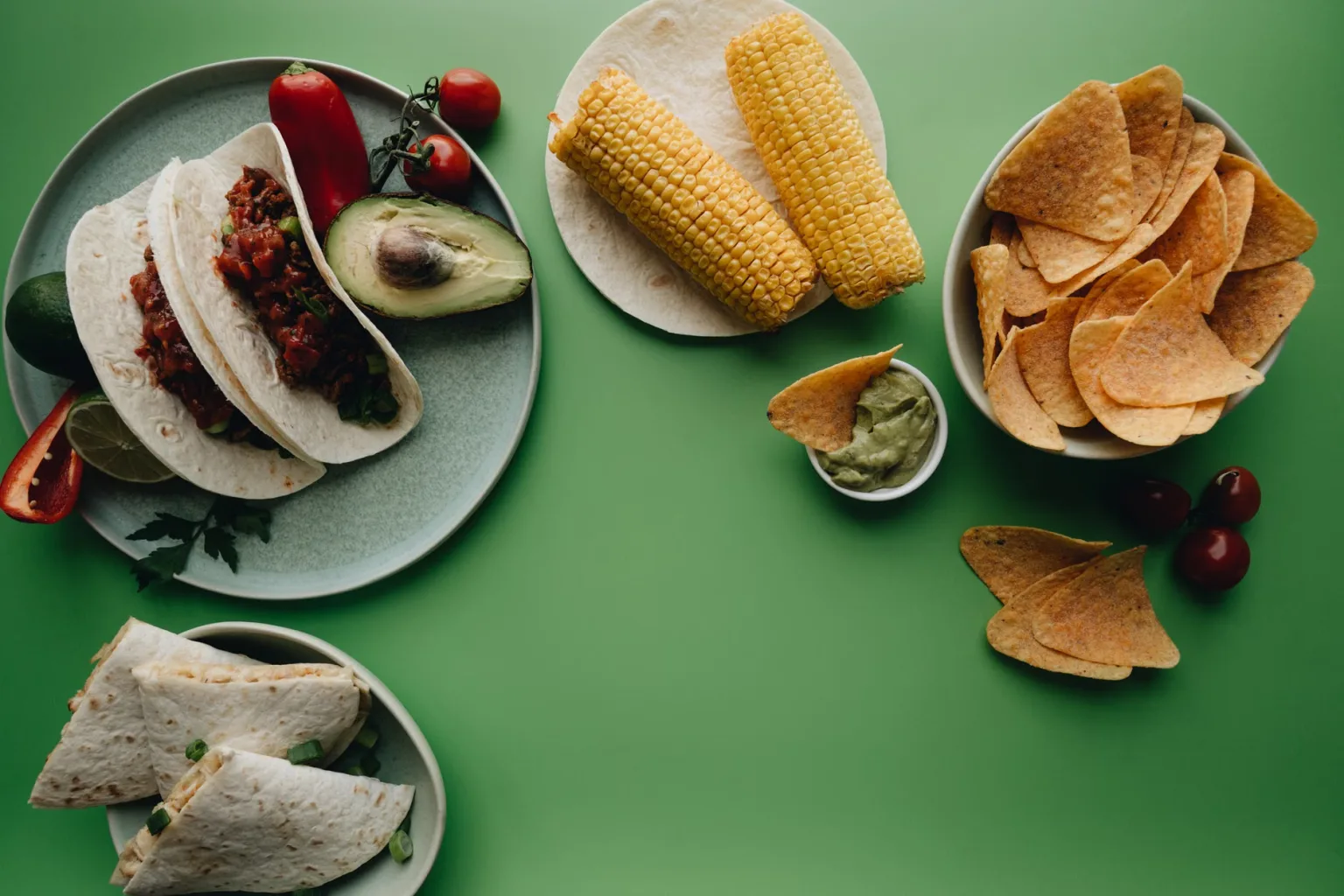
Use corn tortillas when you want a flexible base for tacos or quesadillas, a wrapper for fillings, or an accompaniment to a stew. They also suit enchiladas and chilaquiles, and can be cut into strips to add texture to soup. If you want a crisp result, toast or fry them instead of serving them soft. Size, thickness, and corn type vary, so choose a product that suits the dish and check its package.
How to use it
To serve tortillas soft, heat them in a skillet or on a griddle until they bend flexibly; do not assume every brand needs the same time, and follow the package directions. Fill them for tacos or fold them around ingredients for quesadillas. You can also cover them with filling and sauce for enchiladas, or cut and combine them in dishes such as chilaquiles. For soup, cut tortillas into strips and bake them until crisp, or add them soft as the recipe directs. Frying can turn them into tostadas or totopos. Heating changes the texture: dry heat can leave tortillas pliable, while longer heating or baking can make them crisp. Match the technique to the texture you want.
Flavour and texture
Their flavor centers on corn and may seem mildly sweet; its strength varies with the type of corn and the preparation. Warm tortillas are usually flexible and foldable, which makes them useful for wrapping fillings. Commercial products can differ in aroma, structure, and ability to hold together, and some may break easily. Baking or frying removes flexibility and creates a crisp texture. Color also varies, including white, yellow, and blue corn tortillas.
How to choose it
Choose a tortilla for the way you plan to serve it: flexible for wrapping, or suitable for cutting and toasting. Color, thickness, and size can vary normally, so do not expect every corn tortilla to look identical. Check the package for ingredients, size, date, and storage instructions, especially if you need to avoid a particular ingredient. If you want a specific texture, remember that products may differ in structure and how easily they fold.
Storage
Follow the storage instructions on the package, since commercial tortillas do not all have the same formula or presentation. The culinary information available notes that tortillas can be refrigerated or frozen; check the product label to confirm whether those options are appropriate and how to use them. Keep the package closed as directed and, before use, check that the product looks and smells as expected. There is no single supported storage duration for every brand.
Substitutions
A wheat tortilla can replace a corn tortilla in some dishes that allow a different kind of wrapper, but it will not have exactly the same flavor or texture. For a crisp presentation, use tostadas or corn totopos instead of a soft tortilla; this changes the way the food is served and feels on the plate. Check the substitute’s ingredients and choose according to the recipe, not just the product name.
Common mistakes
Do not assume all tortillas have the same size, thickness, color, flexibility, or ingredients; check the package and adjust your preparation. Another mistake is using a crisp tortilla when a recipe needs a flexible wrapper, or expecting a toasted tortilla to stay soft. Heat only what you need for immediate use and follow the product directions rather than applying one fixed time to every brand.
Safety and allergens
Follow the date and storage instructions on the package. Do not eat a product if its package is damaged or its appearance or smell is abnormal.
Culinary uses
- Base para tacos, quesadillas, enchiladas y chilaquiles
- Acompañamiento o soporte para guisos y otros rellenos
Recommended techniques
- Calentar en sartén o plancha
- Cortar en tiras y hornear hasta que queden crujientes
- Freír para preparar tostadas o totopos
Pairs well with
- Pescado, col y cilantro en tacos
- Sopas de tomate y caldo con tiras de tortilla
- Guisos, salsas y rellenos para tacos o quesadillas
Frequently asked questions
How should I heat corn tortillas?
A skillet or griddle is a practical option. Heat them until they bend flexibly, and follow the package directions because products can vary.
Can corn and wheat tortillas be used interchangeably?
They can sometimes serve a similar purpose, but their flavor and texture are not identical. Check the alternative’s ingredients too, and choose according to the dish.
Can corn tortillas be frozen?
The culinary information available includes freezing as an option, but check your product’s package to confirm that it is suitable and follow its directions.
Estimated nutrition
- Fat
- 1.56 g
- Saturates
- 0 g
- Carbohydrate
- 40.6 g
- Sugars
- 0 g
- Fibre
- 6.2 g
- Protein
- 3.12 g
- Salt
- 0.2 g
Sources and review
Automatically researched, cross-checked and validated content. Sources consulted:
- The Essential Glossary of Cooking Terms for the Culinary Arts - Escoffier escoffier.edu
- Agencia Española de Seguridad Alimentaria y Nutrición aesan.gob.es
- CALIDAD DE GRANO, TORTILLAS Y BOTANAS DE DOS VARIEDADES DE MAÍZ DE LA RAZA COMITECO | Revista Fitotecnia Mexicana doi.org
- How to Cook Corn Tortillas | Institute of Culinary Education ice.edu
- tortillas de maíz Archives | Dinner Tonight dinnertonight.tamu.edu
- Women, Tortillas, and Mexican Economic History: A Conversation with Aurora Gómez americas.georgetown.edu
- Mexican Corn's National Identity Cooked in "Tortilla ... scholarship.stu.edu
- Making Corn Tortillas and Salsa coloradosph.cuanschutz.edu
- Tortilla soup recipe from American Diabetes Association | Washington State Magazine | Washington State University magazine.wsu.edu
- Tortilla de maíz - Wikipedia, la enciclopedia libre es.wikipedia.org
- La tortilla de maíz - Tortillas Nagual tortillasnagual.com
- Diferencias y usos de la tortilla de maíz vs. la tortilla de trigo importacionescuesta.es
- La Tortilla de Maíz: Un Viaje Culinario por México tacovaca.com