- Category
- Grains, flour and pasta
- State
- Powdered
- Usual unit
- tablespoon
What it is
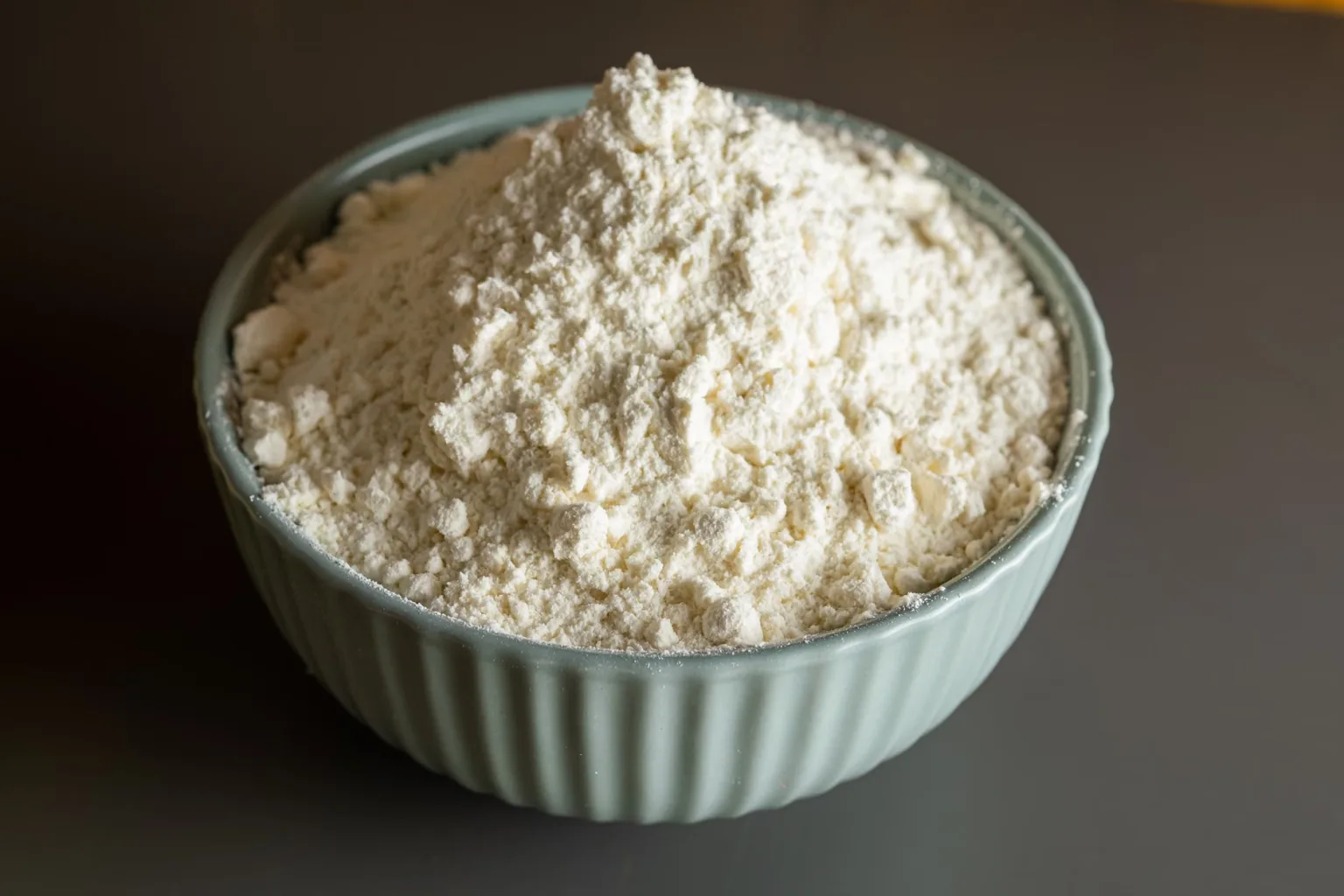
Cornstarch, also called corn starch, is a fine white powder made from the starchy part of the corn kernel, the endosperm. It is not the same as corn flour: corn flour is milled from more parts of the kernel and typically has a more noticeable color and flavor. In cooking, cornstarch is valued chiefly for thickening and texture rather than for a pronounced taste. It is sold dry and used in amounts guided by the recipe and the consistency you want.
When to use it
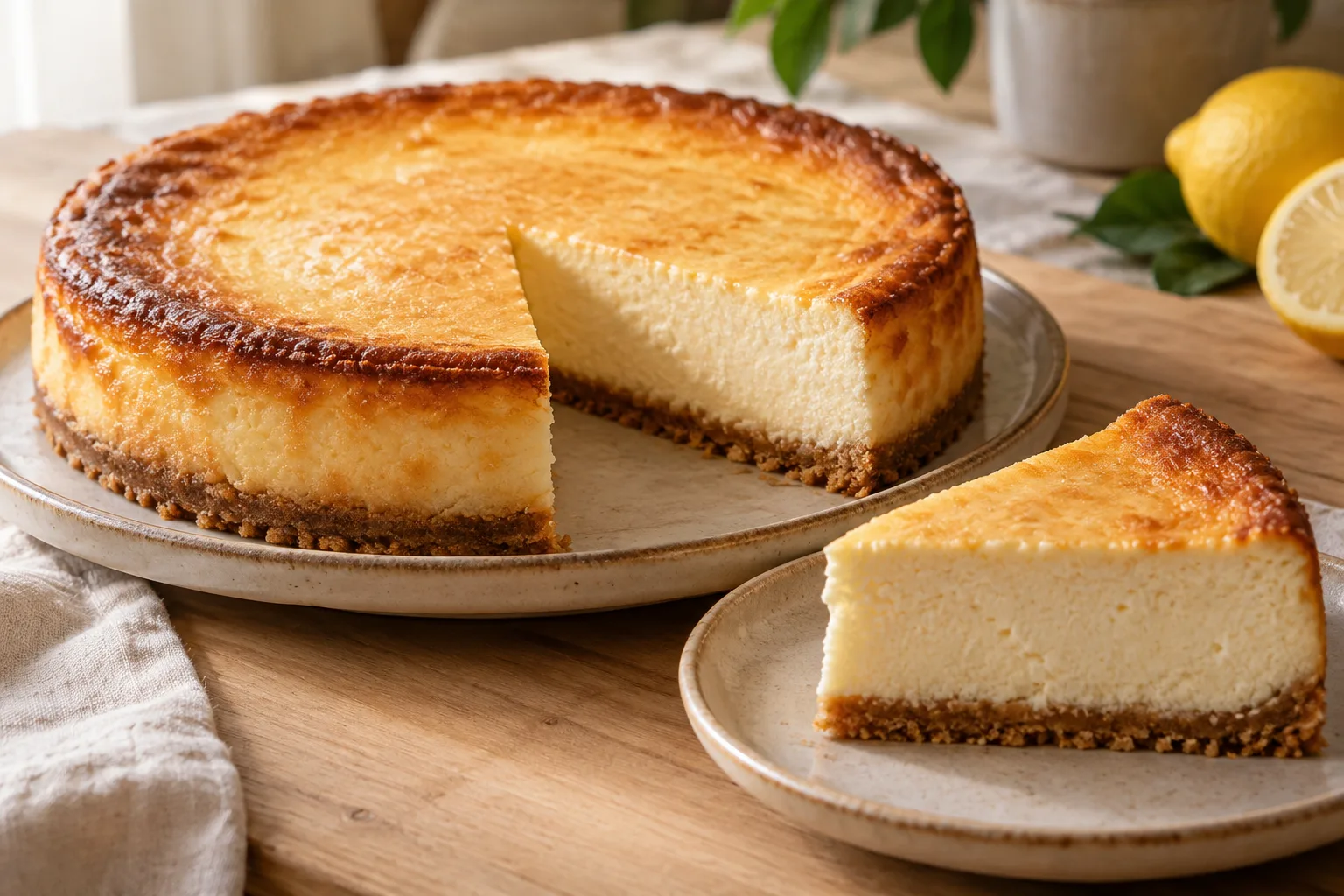
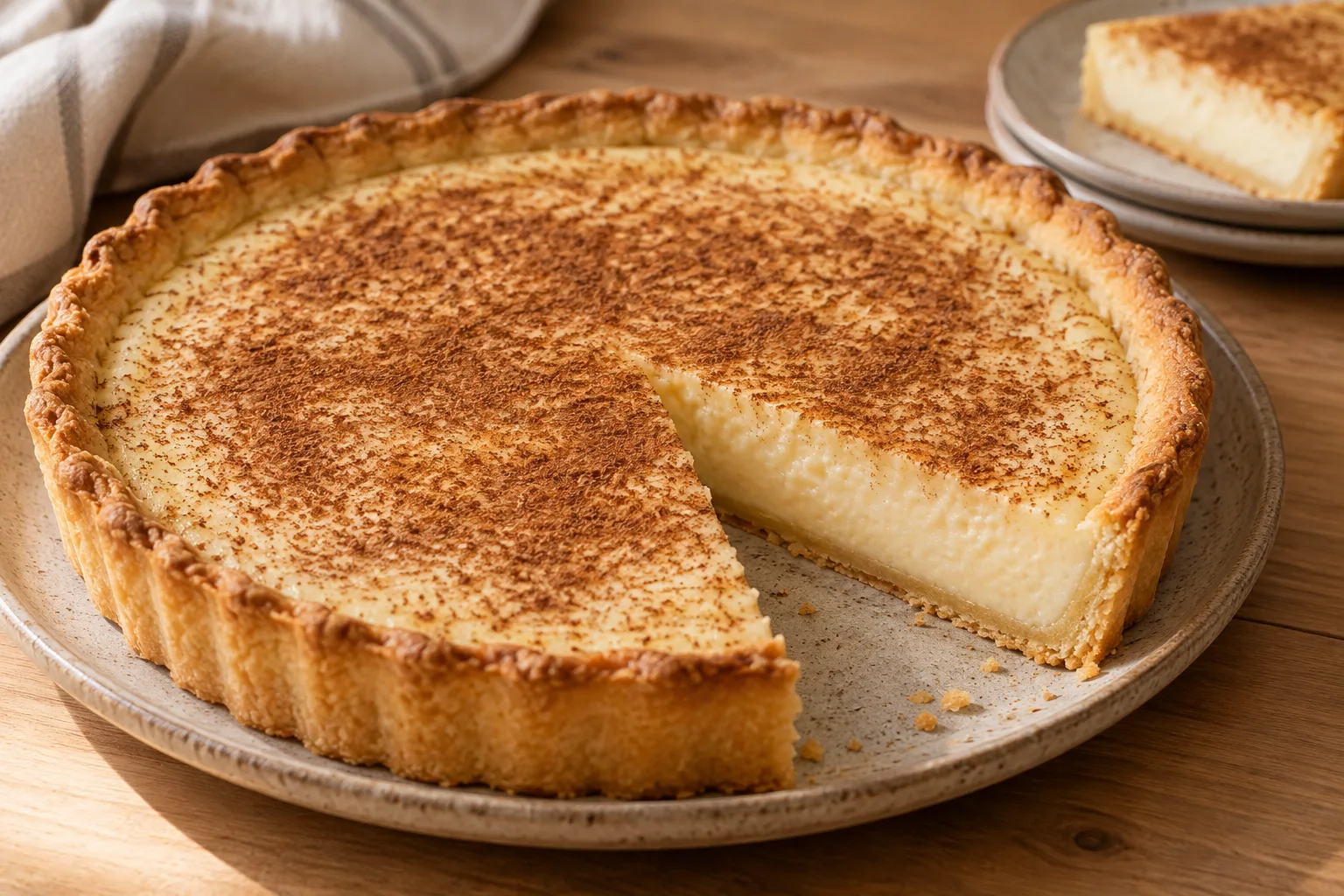
Use cornstarch when you want to add body to a sauce, soup, cream, custard, or filling, especially when you do not want a strong corn flavor. It can also be included in some baking mixtures to alter texture and in coatings for foods when a crisp result is desired. It is not interchangeable with corn flour in every recipe: the products come from different parts of the kernel and behave differently.
How to use it
To thicken a hot preparation, first mix the cornstarch with a little cold liquid until smooth and lump-free. Stir that mixture into the preparation, then heat it so it can thicken. Add it gradually according to the consistency you want, since too much can make the result overly thick or gelatinous. In baking, use it as part of a flour mixture when the recipe calls for it rather than automatically replacing all the flour. For coatings, it can be combined with other dry or liquid ingredients; the result depends on the formula.
Flavour and texture
Cornstarch has a very mild, nearly neutral flavor and a dry, light, powdery texture before mixing. Combined with liquid and heated, it helps give a preparation more body; in batters and coatings it can change the final texture, which depends on the proportions and recipe. Unlike corn flour, it usually does not contribute a distinct cereal flavor.
How to choose it
Look for a fine, white, dry powder in an intact food package. Check that the label says cornstarch or corn starch, not corn flour: they are different products and do not always serve the same purpose. If a recipe needs a particular result, choose a product without added blends and check the package information.
Storage
Keep cornstarch tightly closed in a dry place to protect it from moisture and preserve its powdery texture. Avoid exposing it to steam or putting a damp utensil into the package. Follow any specific storage directions printed on the package.
Substitutions
Wheat flour can thicken or replace part of the cornstarch in some preparations, but it will not give exactly the same texture and may add flavor. Rice flour can be used in some coatings, though the result will also differ. Corn flour is not an equivalent replacement: it has different characteristics and uses.
Common mistakes
Adding cornstarch straight to hot liquid can encourage lumps; first mix it with cold liquid. Avoid adding a large amount at once, since too much can make a dish overly thick or gelatinous. Do not confuse cornstarch with corn flour, as they do not behave the same way in a recipe.
Safety and allergens
No specific safety warning for this ingredient is provided. Keep the powder dry and follow the package storage directions; do not use it if it has become damp or the package’s integrity is in doubt.
Culinary uses
- Espesante para salsas, sopas y cremas
- Aporte de textura en repostería y rebozados
Recommended techniques
- Disolver en líquido frío antes de incorporarla a una preparación caliente
- Mezclar con harina para aligerar algunas masas o para formar una cobertura crujiente
Pairs well with
- Sopas, cremas y salsas
- Natillas, rellenos y postres
Frequently asked questions
Are cornstarch and corn flour the same thing?
No. Cornstarch comes from the kernel’s starchy part and is mainly used for thickening; corn flour is milled from more parts of the kernel and has different characteristics.
How can I prevent cornstarch lumps?
First dissolve it in a small amount of cold liquid until smooth, then stir it into the preparation.
What can I use cornstarch in?
It is used to thicken sauces, soups, creams, custards, and fillings, and can also be included in some batters and coatings.
Estimated nutrition
- Fat
- 0.05 g
- Saturates
- 0.01 g
- Carbohydrate
- 91.3 g
- Sugars
- 0 g
- Fibre
- 0.9 g
- Protein
- 0.26 g
- Salt
- 0.02 g
Sources and review
Automatically researched, cross-checked and validated content. Sources consulted:
- ¿Por qué la muerte es origen de miedos y tabúes? doi.org
- The Essential Glossary of Cooking Terms for the Culinary Arts - Escoffier escoffier.edu
- Washington State Food Access English-Spanish Glossary wpcdn.web.wsu.edu
- Nutrition After Your Transplant - Health Online healthonline.washington.edu
- Culinary Mestizaje: An Afro-Latino Collective Sensory ... via.library.depaul.edu
- Appendix B: Recipes for Disease Prevention – Culinary Medicine opentextbooks.library.arizona.edu
- Trabajo electrónico aesan.gob.es
- How to Cook Corn Tortillas | Institute of Culinary Education ice.edu
- The Nutritional Content of Five Southwestern ... extension.cmn.edu
- ¡Manos en la masa! - Berkeley Food Institute food.berkeley.edu
- "Law, Food, and Culture: Mexican Corn's National Identity Cooked in "To" by Ernesto Hernandez-Lopez scholarship.stu.edu
- Qué es la fécula de maíz, cuáles son sus usos en la cocina y ¿es saludable? | Grupo Animal grupoanimal.mx
- Harina y fécula de maíz, diferencias y similitudes | The Gourmet Journal thegourmetjournal.com
- Fécula de maíz MAO: Origen, proceso y usos – Mao personas.indumezmao.com.co
- Fécula de maíz: qué es, para qué sirve y cómo usarla saborescreativos.com
- \r\n \n ¿Qué es la fécula de maíz y para qué se usa?\n \r\n comercializadorasuarezsadecv.com.mx