- Category
- Dairy and eggs
- State
- Fresh
- Usual unit
- g
What it is
Cow’s milk ricotta is a fresh dairy product traditionally made from the whey left after other cheeses are produced. The whey is heated again so that its remaining proteins gather into small curds, which are collected and drained into a soft, moist, white product. Commercial versions can differ in method, moisture and consistency, so ricottas are not all identical. Although it is commonly called a cheese, it is more accurately described as a whey-based dairy product. This profile concerns the cow’s milk variety; ricotta made from other animals’ milk can have different characteristics.
When to use it
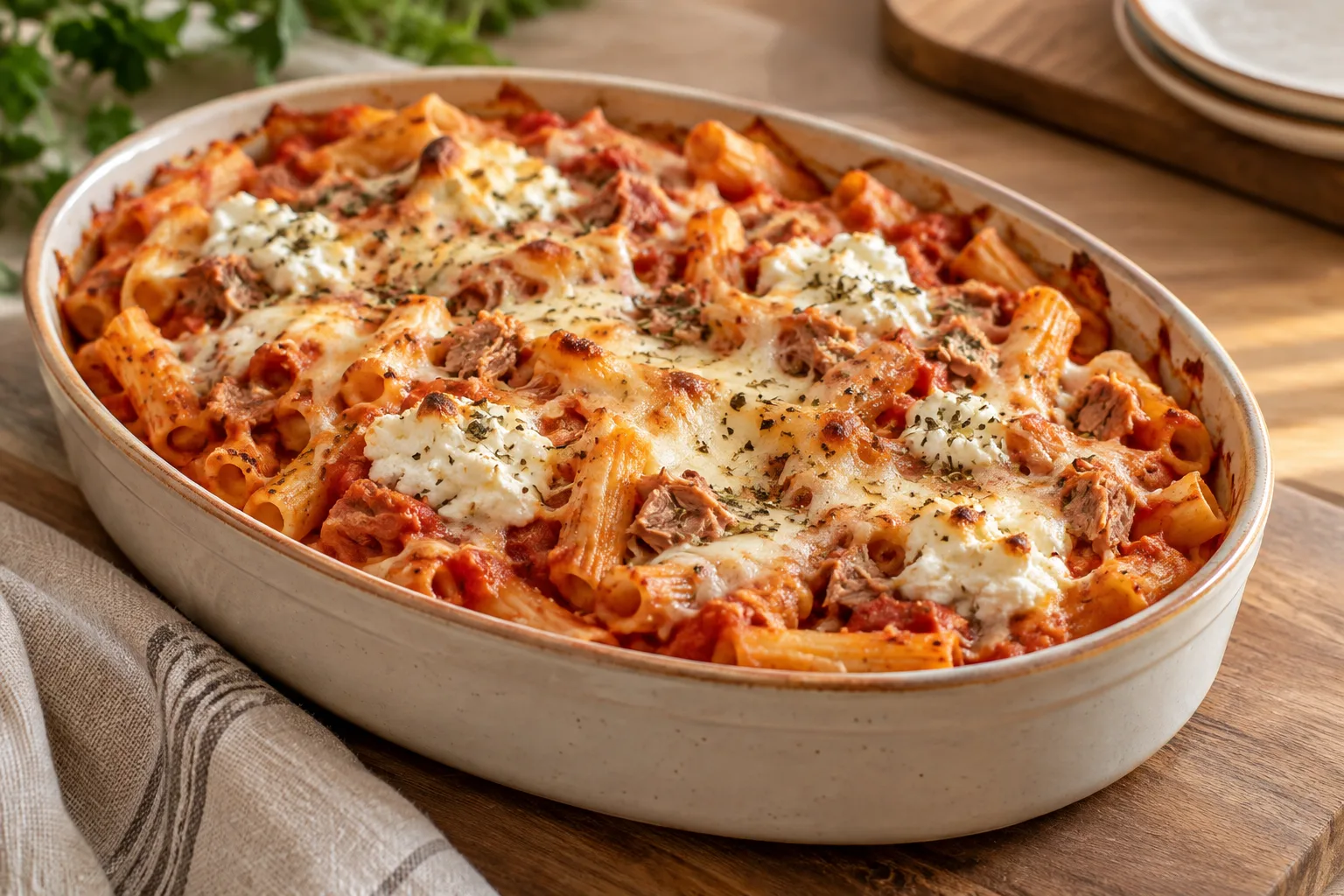
Choose cow’s milk ricotta when you want a mild dairy ingredient that adds creaminess without overwhelming other flavors. It works in pasta fillings, lasagna and cannelloni, and can also be used in sauces, on toast, in tarts or in sweet dishes. Its moisture and firmness vary by product: a wetter ricotta is useful for spreading or mixing into creams, while a firmer, more drained one may be easier to use in fillings that need to hold their shape. Check the consistency before cooking and adapt the recipe to it.
How to use it
Stir the ricotta before adding it to distribute its moisture and soften any clumps. Mix it with herbs or vegetables for a savory filling, or with honey, citrus, chocolate or fruit for a sweet preparation. Spread it on toast, stir it into a sauce for body, or use it in pasta fillings, lasagna and cannelloni. If it is too wet for your recipe, drain it until it reaches the consistency you need; if the mixture is too dense, combine it gradually with the other ingredients. Its flavor is mild, so season thoughtfully and taste before adding more salt or stronger flavors.
Flavour and texture
Its flavor is mild, milky and often slightly sweet, sometimes with a subtle salty note. The texture is usually moist, soft and creamy, though small grains may remain. Moisture and draining vary among products, so ricotta can range from easy to spread to relatively firm.
How to choose it
Look for an intact package and check the product name, ingredients and allergen information. If you need a particular consistency, consider the visible moisture and texture when the packaging allows; choose a creamier product for spreading and a firmer one for fillings. Read the producer’s instructions, since commercial products can vary.
Storage
Follow the storage and use instructions on the package and observe the date provided. If the product is sold unpackaged, ask the retailer for the applicable guidance. Handle it in a way that avoids contamination and close its container again after serving. There is no single storage period that applies to every ricotta, because it depends on the product and its instructions.
Substitutions
Requesón can be a close alternative, but its moisture, texture and method of production may differ; you may need to adjust the draining or mixing. Farmer’s cheese is used as an alternative in some pastry applications, although the result may also have a different texture. Avoid a direct swap when consistency is essential to the recipe.
Common mistakes
Treating every ricotta as if it had the same moisture and firmness can leave a filling too loose or a cream too dense. Check the texture and drain it if the recipe calls for it. Another mistake is expecting a strong flavor: its profile is delicate, so more assertive ingredients can dominate it. Do not assume that every product called ricotta has the same composition.
Safety and allergens
Cow’s milk ricotta contains milk, an allergen that needs consideration. Check the label on packaged food or ask for allergen information when it is sold unpackaged, especially if you have a severe allergy. Follow the producer’s storage and use instructions.
Culinary uses
- Relleno cremoso para pasta y preparaciones horneadas
- Base láctea suave para recetas dulces y saladas
Recommended techniques
- Mezclar o batir para integrar en rellenos y cremas
- Escurrir cuando se necesite una consistencia más firme
Pairs well with
- Espinacas, tomate y hierbas aromáticas
- Miel, cítricos, chocolate y fruta
Frequently asked questions
Is cow’s milk ricotta a cheese?
It is often called cheese, but traditionally it is made by collecting proteins from the whey left after other cheeses are made. It is more accurately described as a fresh whey-based dairy product.
Can I use it in both sweet and savory dishes?
Yes. Its mild flavor pairs with vegetables and herbs in savory dishes, and with honey, citrus, chocolate and fruit in sweet preparations.
Can I substitute requesón for it?
It can be a close alternative, although moisture, texture and production method may differ. Check the consistency and adjust draining or mixing to suit the recipe.
Estimated nutrition
- Fat
- 3.33 g
- Saturates
- 2.08 g
- Carbohydrate
- 5.42 g
- Sugars
- 5 g
- Fibre
- 0 g
- Protein
- 3.33 g
- Salt
- 0.13 g
Sources and review
Automatically researched, cross-checked and validated content. Sources consulted:
- En el etiquetado alimentario hay algunas menciones que son obligatorias eletiquetadocuentamucho.aesan.gob.es
- ¿Por qué la muerte es origen de miedos y tabúes? doi.org
- The Essential Glossary of Cooking Terms for the Culinary Arts - Escoffier escoffier.edu
- Queso Ricotta: qué es, propiedades y cómo se come lafamigliarestaurantes.com
- Ricota, ¿qué es y cómo sacarle partido en la cocina? mundolacteo.es
- Qué es ricotta: guía completa para entender este queso suave y versátil – Manzana.com.es manzana.com.es
- La ricotta: un lácteo versátil en la cocina - Lacteos Franz lacteosfranz.org
- NC conservas vegetales mapa.gob.es
- Storing Food for Safety and Quality - OSU Extension Service extension.oregonstate.edu
- Etiquetado de sustancias que causan alergias e intolerancias alimentarias aesan.gob.es
- UCCE Master Food Preservers of Amador/Calaveras County 12200B Airport Road ucanr.edu
- Fermented Sweet Rhubarb, Raspberry Jam & Ricotta Pastries | Institute of Culinary Education ice.edu
- (PDF) Quality Evaluation of “Ricotta” Cheese Produced at Laboratory Level academia.edu
- Food Storage Chart - Food Storage Guidelines fayette.osu.edu
- Requesón - Wikipedia, la enciclopedia libre es.wikipedia.org
- Beneficios y usos de la ricotta - Revista Completa revistacompleta.com
- Queso Ricotta | ilujor ilujorquesos.es