- Category
- Herbs and spices
- State
- Dry
- Usual unit
- teaspoon
What it is
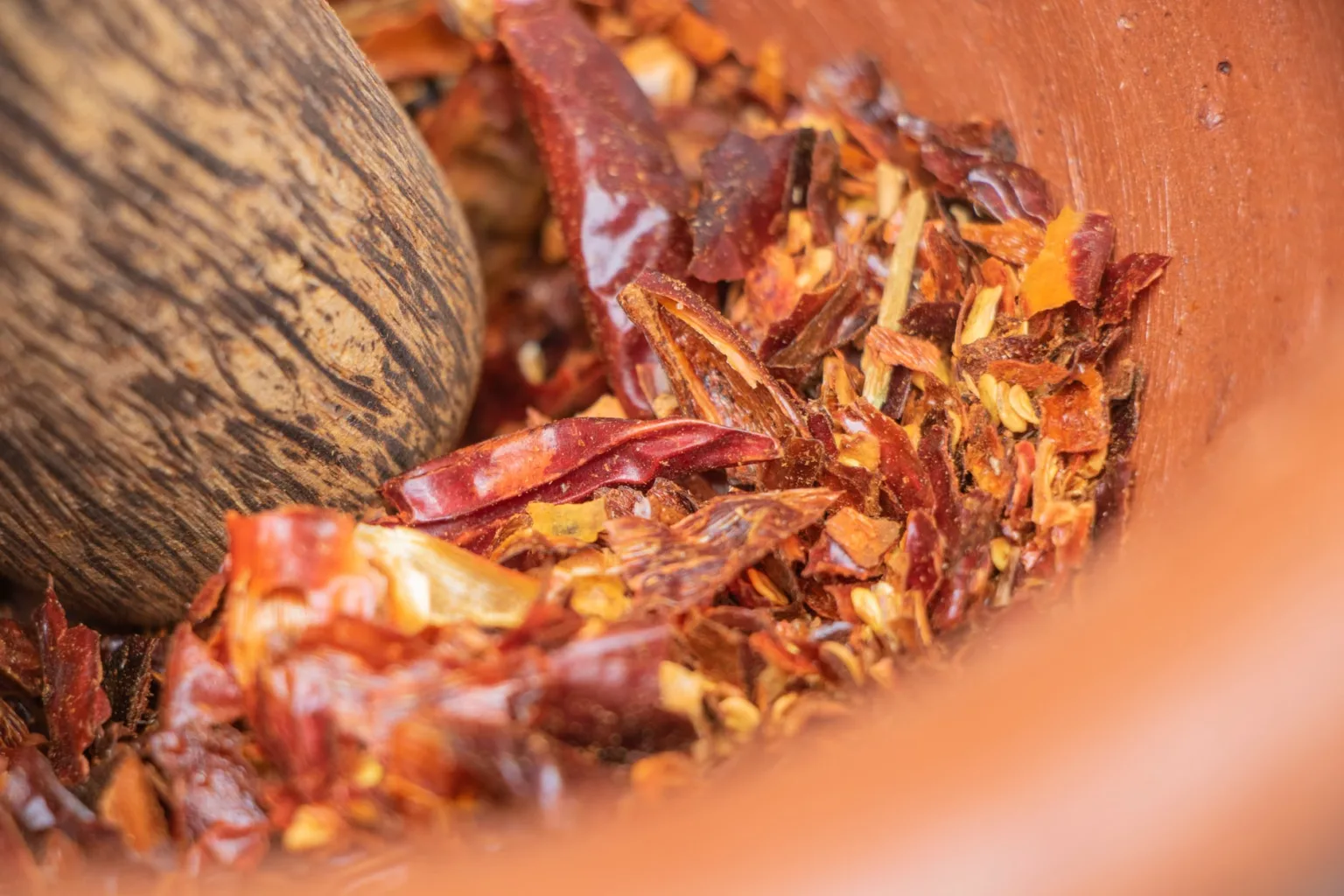
Crushed dried chili is dehydrated chili cut or broken into small fragments. It is not necessarily a fine powder or a spice blend. It can come from different kinds of chili, so color, aroma and heat are not identical from one product to another. Drying reduces moisture and concentrates flavor; dried chilies may have fruity, earthy or sweet notes. Do not automatically treat it as the same product as chili powder, which is often a blend of chili and other spices. Check the product name and ingredient list to tell them apart.
When to use it
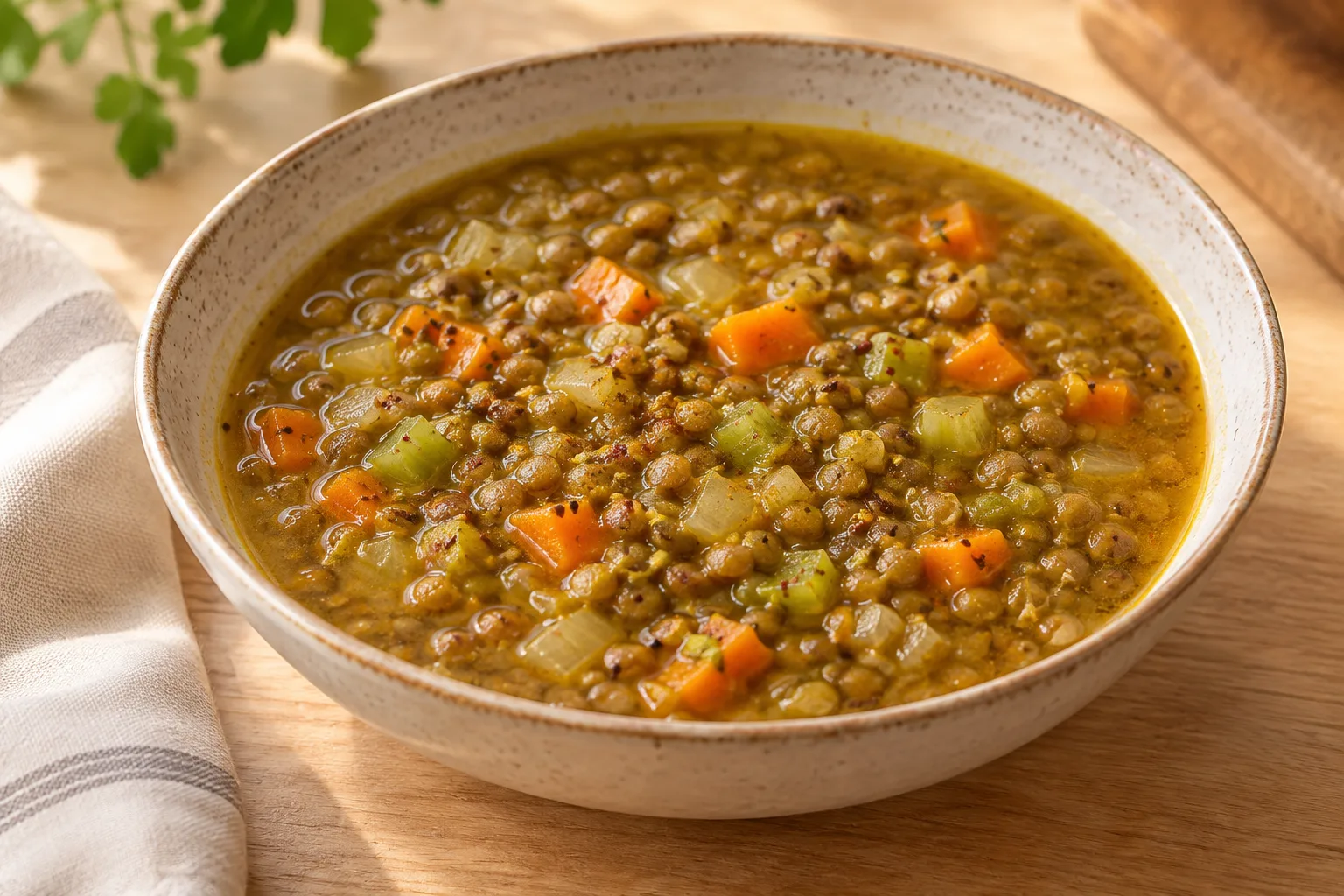
Use it when you want to add chili flavor and heat without adding a whole fresh chili. It can season sauces, marinades, stews and other dishes, and works with ingredients such as tomatoes, beans, corn, onion and garlic. Since the chili type and fragment size vary, start with a small amount and taste before adding more. The color can suggest the profile of some dried chilies, but it cannot reliably establish the heat of a particular crushed product.
How to use it
Measure a small amount and stir it into the sauce, marinade or stew you are making; you can also sprinkle it over a dish for a visible, localized touch. Stir thoroughly to distribute the pieces, then taste before adjusting the seasoning. If substituting ground cayenne or chili powder, begin with less: finer grinding and added ingredients can change how the heat is perceived. Read the label to check whether the product is pure chili or a blend. There is no universal quantity because varieties and heat levels differ between products.
Flavour and texture
The flavor is usually hot and concentrated, but varies with the chili type and drying. Descriptions of dried chilies include profiles ranging from fruity or tangy to earthy, sweet or smoky; not every product has all these notes. The fragments provide noticeable texture, unlike fine powder, and their size can vary.
How to choose it
Read the label to see whether the product is pure crushed chili or a spice blend, and look for a clear chili-type description when available. Color and heat vary by variety, so appearance alone cannot reliably tell you how hot it is. Choose a sealed package and check that the product looks clean and free from mold or insects.
Storage
Keep crushed chili in an airtight container in a cool, dry place to limit moisture absorption. Close the container between uses and follow any specific directions on the label. The available evidence describes these recommendations for dried chilies; it does not establish a universal shelf life for every crushed product.
Substitutions
Ground cayenne can replace it when you want heat, but its finer texture may distribute differently; start with less and adjust to taste. Chili powder can also work, although it is often a blend with other spices and will change the flavor as well as the heat. Check the ingredients rather than assuming the two substitutes are equivalent.
Common mistakes
Do not confuse crushed chili with chili powder: the latter may contain cumin, garlic or other spices. Avoid adding a large amount all at once, and do not assume color precisely indicates heat. Variety, grind and the manufacturer's recipe can all change the result.
Safety and allergens
The available evidence provides no specific official warning for this product. Use it in moderation and follow the package directions.
Culinary uses
- Picante y saborizante
- Condimento para salsas y adobos
- Aporte de color
Recommended techniques
- Espolvorear o medir antes de añadir al plato
- Mezclar en salsas, adobos y guisos
- Añadir gradualmente y probar para regular el picante
Pairs well with
- Tomate y cebolla
- Ajo y orégano
- Frijoles y maíz
Frequently asked questions
Is crushed dried chili the same as chili powder?
Not necessarily. Crushed chili is usually chili in fragments; chili powder may be a blend of chili and other spices. Check the ingredient list.
How can I control the heat?
Start with a small amount, stir and taste before adding more. Heat depends on the chili type and the product.
How should I store it?
Keep it tightly closed in a cool, dry place and protect it from moisture.
Sources and review
Automatically researched, cross-checked and validated content. Sources consulted:
- Client Challenge doi.org
- Vamos a Conservar Alimentos: Tomates extension.psu.edu
- Chile en polvo (¿crudo?, ¿orgánico?) | Fundación G+E diet-health.info
- 52 aiu.edu
- FANTASY AND REALISM - Cornerstone cornerstone.lib.mnsu.edu
- Por - Scholar@UPRM scholar.uprm.edu
- facultad de postgrado repositorio.unitec.edu
- Tipos de Chiles Secos Mexicanos: Características y Usos abarrotes.es
- Chiles secos: el Ama de nuestra gastronomía | Love Veg loveveg.mx
- Chile seco - Wikipedia, la enciclopedia libre es.wikipedia.org