- Category
- Herbs and spices
- State
- Fresh
- Usual unit
- leaves
What it is
Curry leaves are the leaves of the curry tree, Murraya koenigii, used as a culinary seasoning. They are not the same as curry powder, which is a blend of spices: the leaves are a plant ingredient with their own distinct aroma. They are used in cooking in South India and Sri Lanka. Fresh leaves have citrus notes and a fresh, fruity, slightly smoky character; drying reduces some of their intensity. Do not confuse them with Mediterranean curry herb, which is a different plant.
When to use it
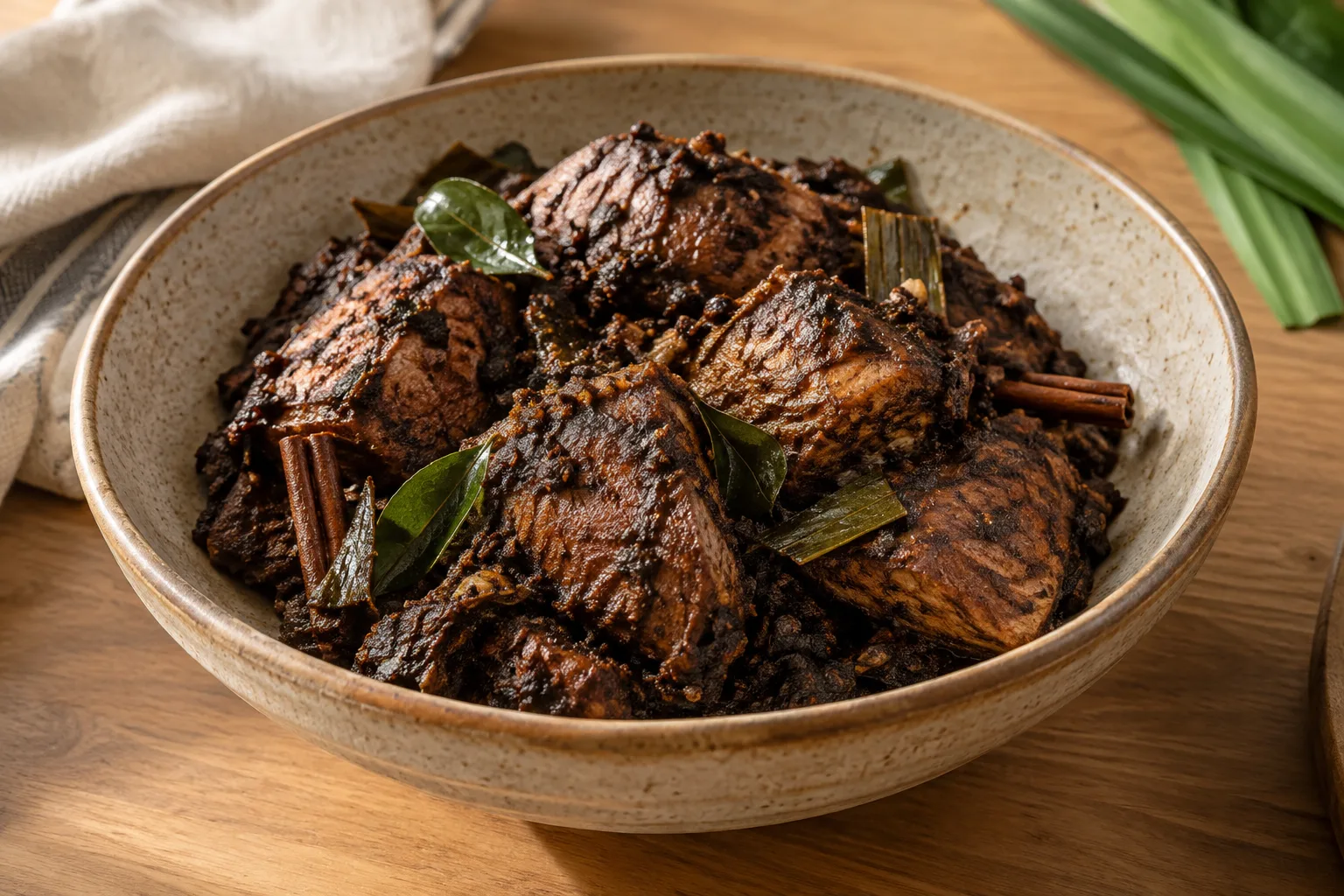
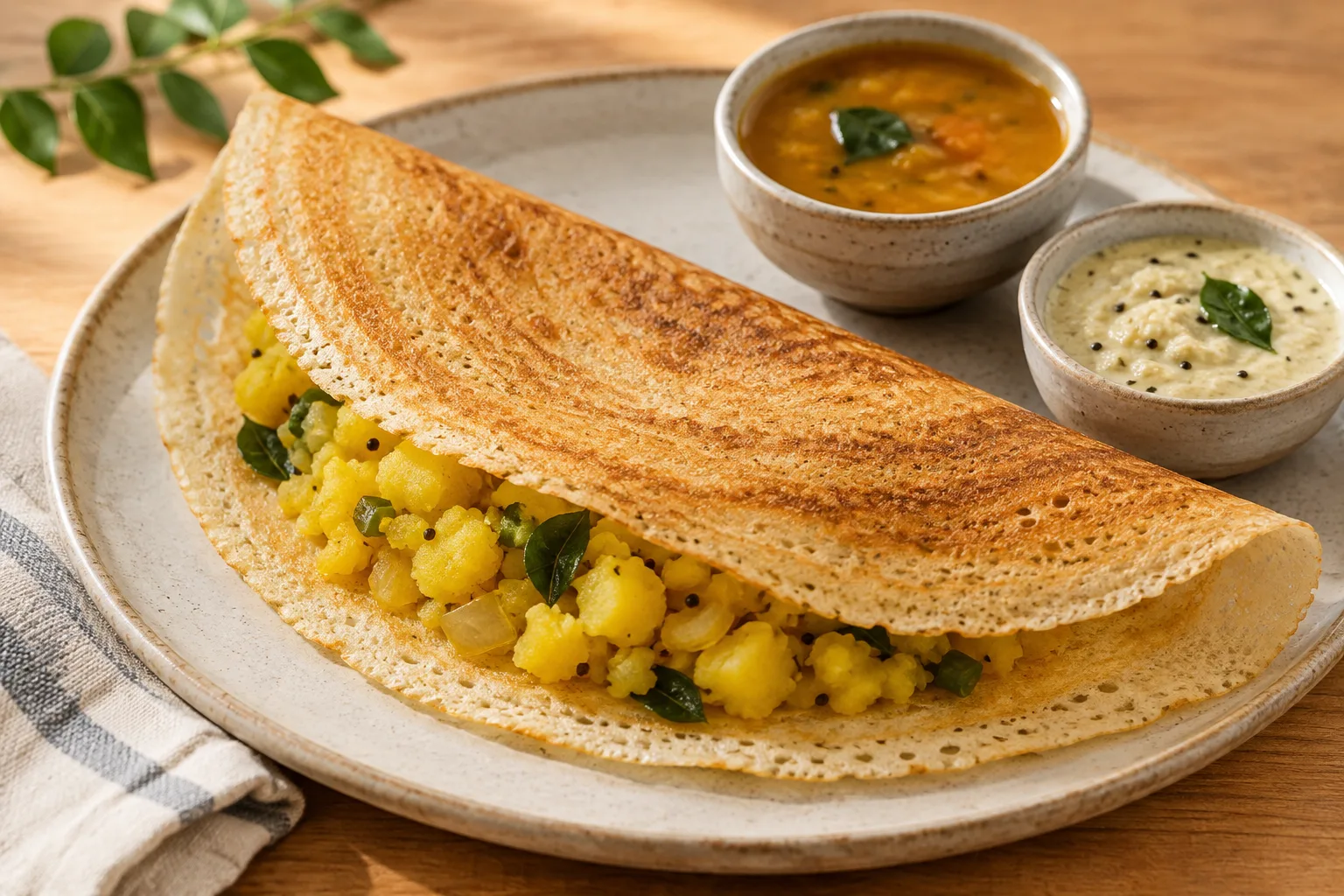
Use curry leaves when you want a herbal, citrus-like aroma in a savory dish, especially in stews, sauces, and vegetable or legume preparations. They work well with potatoes, lentils and chickpeas, as well as tamarind or coconut milk. Since heat helps release their aroma, add them to oil near the beginning of cooking or include them as the dish cooks. Do not expect them to taste like curry powder: they are different ingredients and do not provide the same spice profile.
How to use it
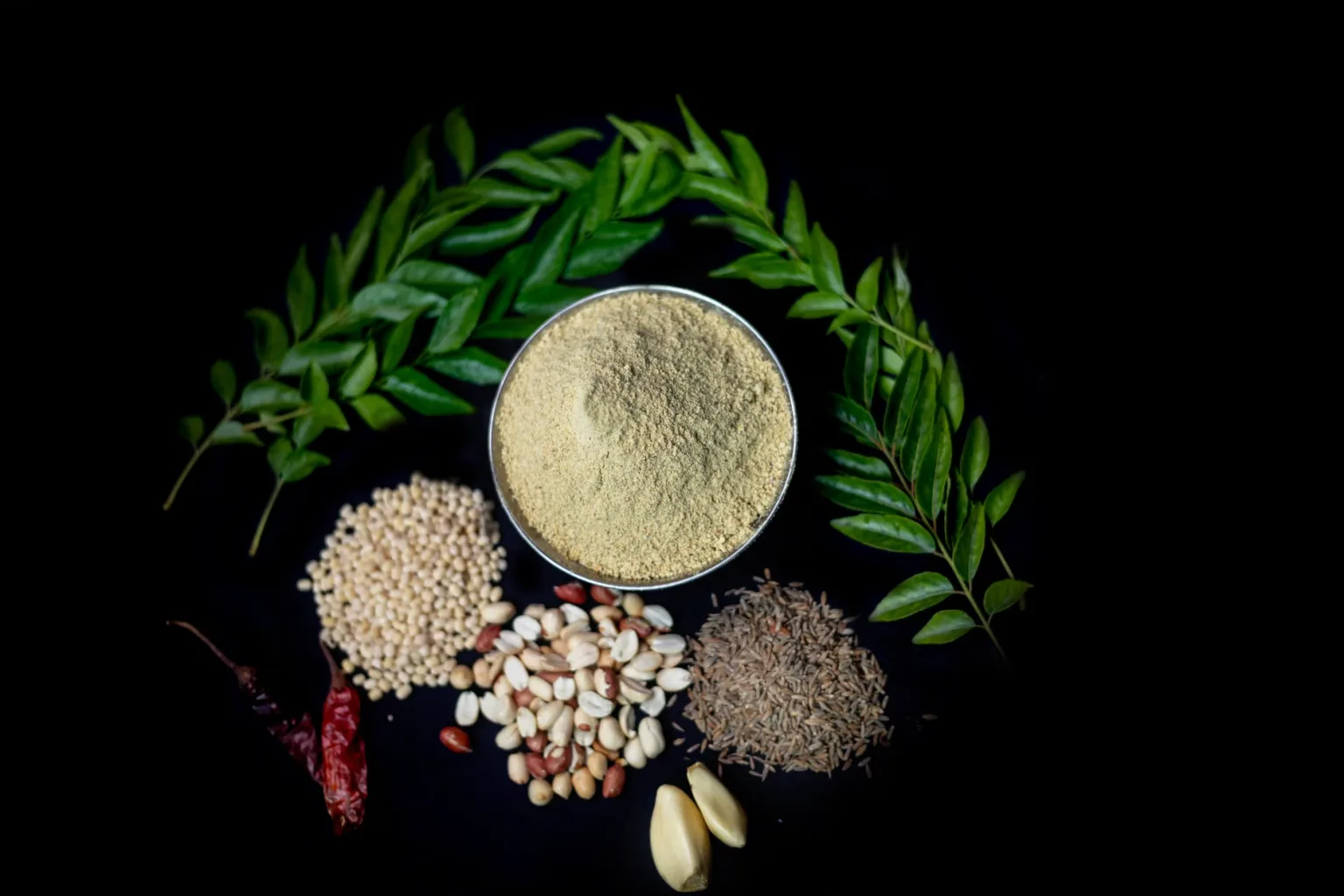
Rinse the leaves and discard any that are dirty or damaged. To make the most of their aroma, heat them briefly in oil or ghee, or add them whole or chopped to a stew as it cooks. You can also add them to a sauce or a dish with vegetables, potatoes, lentils or chickpeas. If using dried leaves instead of fresh, the available culinary reference recommends using more, since drying reduces their aroma. Curry-leaf powder is another form, described as less intense in flavor than fresh leaves. Do not confuse that powder with curry powder, which is a spice blend.
Flavour and texture
Their aroma is fresh and citrusy, with fruity and slightly smoky notes. Fresh leaves are more aromatic than dried ones, which lose some fragrance during drying. They can be used whole or chopped and heated in oil to release their perfume. The available evidence does not describe a particular eating texture, so their main role is best understood as aromatic.
How to choose it
Look for leaves that appear fresh, with vivid color and no visible signs of wilting, brown spots or yellowing. A noticeable aroma is a useful selection cue for fresh herbs. Check that the product is identified as curry leaves, not curry powder or curry herb from another plant. If you can only find dried leaves or curry-leaf powder, bear in mind that their aromatic intensity is lower than that of fresh leaves.
Storage
The available information says fresh curry leaves can be frozen to help preserve their flavor. It does not give a specific method or time for storing them fresh, so do not assume a particular storage life; follow the seller’s or package’s instructions when available. Curry-leaf powder is described as a longer-lasting form, but exact storage conditions are not specified: follow its label.
Substitutions
Dried curry leaves can replace fresh ones, but their aroma is less intense; the available culinary reference recommends using more. Curry-leaf powder can also be used when whole leaves are unavailable, although it is described as less intense than the fresh product. Neither option is the same as curry powder, which is a different blend. If you have no form of curry leaves, you can leave them out, knowing the dish will lack their distinctive aroma.
Common mistakes
Confusing curry leaves with curry powder or Mediterranean curry herb can lead to the wrong flavor expectation. Another mistake is replacing fresh leaves with the same quantity of dried leaves without accounting for the loss of aroma during drying. Their fragrance may also be underused if they are added without heating: the culinary reference recommends heat to develop their aroma.
Safety and allergens
No ingredient-specific warning is provided in the evidence. As a basic precaution for herbs, rinse the leaves with cool water and discard any that are dirty or damaged. Handle them with normal food hygiene and follow package directions for packaged products.
Culinary uses
- Aromatizar guisos y salsas
- Aportar un acento aromático a platos de verduras y legumbres
Recommended techniques
- Calentar brevemente en aceite para liberar el aroma
- Añadir las hojas enteras o picadas durante la cocción
Pairs well with
- Patatas y otras verduras
- Lentejas y garbanzos
- Chile, semillas de mostaza negra, tamarindo y leche de coco
Frequently asked questions
Are curry leaves the same as curry powder?
No. Curry leaves come from the Murraya koenigii tree; curry powder is a spice blend. They have different aromatic profiles.
How can I bring out their aroma?
Heat them briefly in oil or add them to a dish while it cooks. Heat helps develop their aroma.
Can I use dried curry leaves instead of fresh?
Yes. Dried leaves are less aromatic; the available reference recommends using more than you would of fresh leaves.
What ingredients pair well with curry leaves?
Vegetables, potatoes, lentils, chickpeas, tamarind and coconut milk are cited as suitable pairings.
Sources and review
Automatically researched, cross-checked and validated content. Sources consulted:
- ¿Por qué la muerte es origen de miedos y tabúes? doi.org
- The Essential Glossary of Cooking Terms for the Culinary Arts - Escoffier escoffier.edu
- Curry - Wikipedia, la enciclopedia libre es.wikipedia.org
- Agencia Española de Seguridad Alimentaria y Nutrición aesan.gob.es
- Fresh Herbs | UNL Food | Nebraska food.unl.edu
- Herbs - National Center for Home Food Preservation nchfp.uga.edu
- Food Waste | Boston.gov pref.northeastern.edu
- Sept. 19 , 2021 - OSU Extension Service extension.oregonstate.edu
- Hojas de curry (¿crudas?, ¿orgánicas?) | Fundación G+E diet-health.info
- Hojas de curry en la cocina india – Blog de Cocinista blogcocinista.wordpress.com
- Curry: qué es, origen y propiedades - Oriental Market orientalmarket.es
- Prueba el auténtico curry en Boroa boroa.com