- Category
- Fish and seafood
- State
- Fresh
- Usual unit
- g
What it is
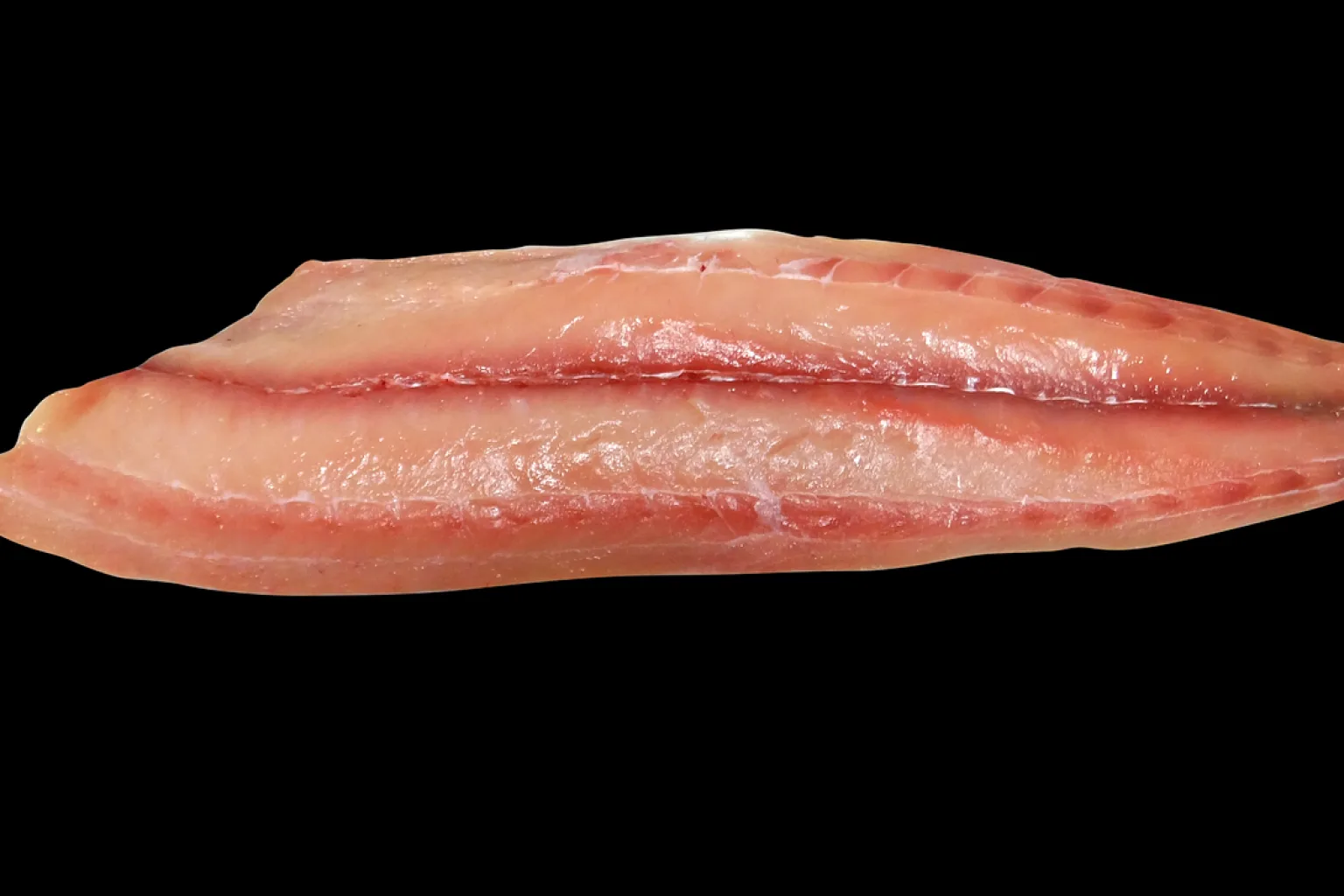
Dolphinfish, also called mahi-mahi or dorado in some places, is the fish species Coryphaena hippurus. Its flesh is described as white, sometimes slightly pink, and firm. Its fat content varies over the life cycle: younger fish may be fattier than adults. A fillet is a convenient portion to cook without preparing a whole fish. Local and market names can vary, so confirm with the seller that the fish is dolphinfish. The available information describes the fish and its culinary uses, but does not establish a season that applies everywhere.
When to use it
Dolphinfish fillet can be served as a main course or added to preparations with sauce, vegetables, rice, or noodles. Its firm flesh suits grilling, frying, baking, and stewing. Some sources associate its traditional consumption with autumn in Mediterranean areas, but availability and catch timing depend on the region. Do not assume a universal season or that fresh fish is always available. Choose a cooking approach to suit the dish and the characteristics of the portion.
How to use it
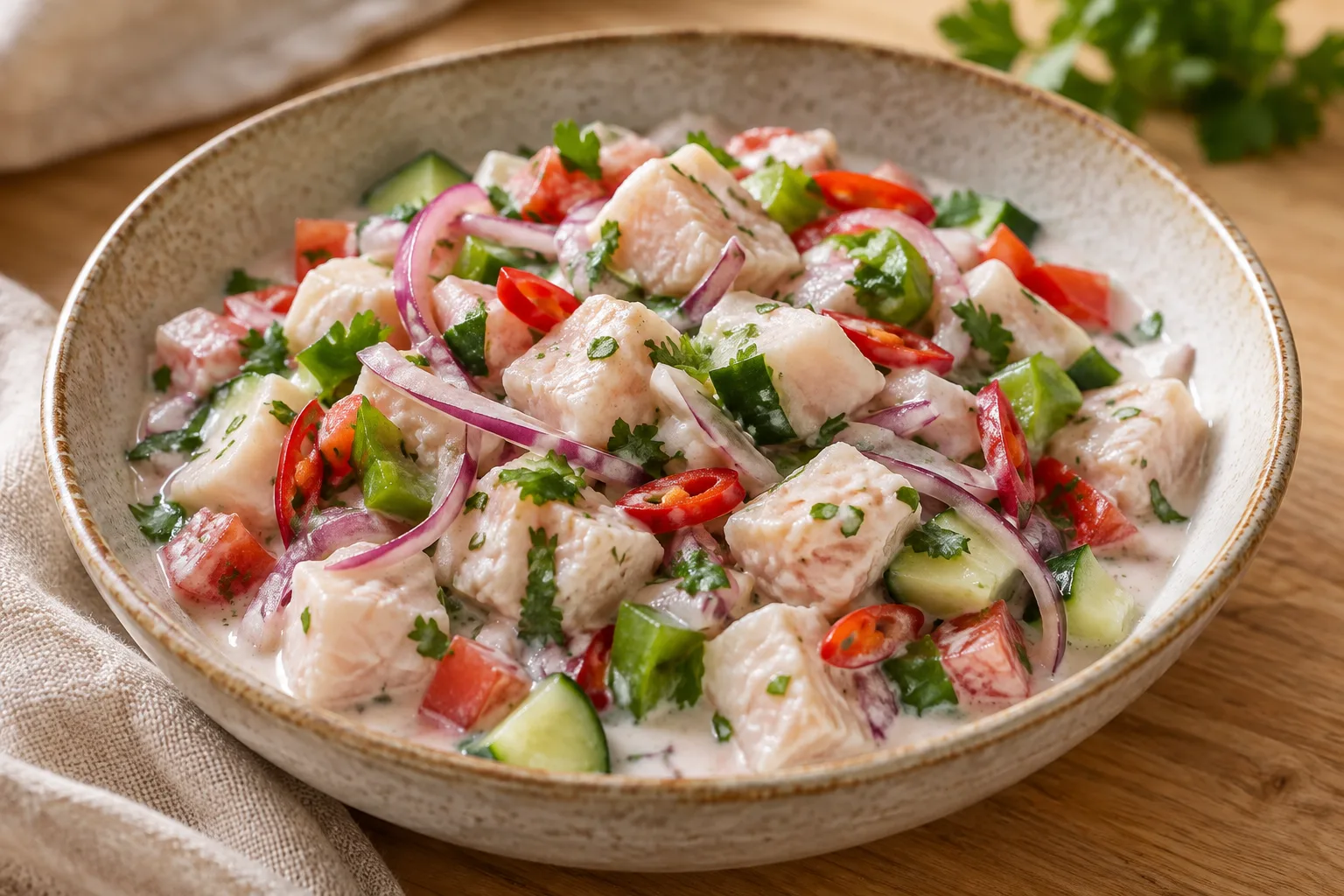
If you buy a whole fish, ask the fishmonger to fillet it, or carefully remove the bones before cooking. Pat the fillet dry and season as desired; dolphinfish preparations include combinations with lemon, garlic, and parsley. Grill, fry, or bake it, or add it to a stew. It is also used with peppers and tomato, in a pickled preparation, or as an ingredient in fideuà. Adjust the preparation to the thickness of the portion and ask the seller for guidance about the product you bought if needed. The available sources do not establish universal cooking times or temperatures, so do not automatically apply one recipe’s directions to every fillet.
Flavour and texture
Dolphinfish flesh is described as light-colored, ranging from white to slightly pink, and firm. That firmness suits preparations where the fillet is expected to hold its shape, such as grilling, frying, or stewing. Characteristics can vary with the fish’s age, including its fat content; do not assume every fish has exactly the same texture or composition.
How to choose it
Ask the fishmonger whether the product is dolphinfish and whether the fillet has been checked for bones. The available information does not provide reliable visual criteria for judging a fillet’s freshness on its own, or a season that applies everywhere. Confirm availability and product details with the seller. If a local name is unclear, ask them to confirm the species before you buy.
Storage
The available evidence does not specify a storage method or duration for this fillet. Follow the label or seller’s instructions, and do not store fresh fish without taking that guidance into account. If you are unsure how to store the product, ask before buying it. Do not infer a specific shelf life from the fillet’s appearance or from times described in a recipe; the supplied sources do not provide official storage guidance.
Substitutions
In recipes that allow different fish, tuna, bonito, or mackerel can serve as culinary alternatives. One reference notes that recipes intended for those fish can also be made with dolphinfish; this does not mean they are identical substitutes. The flavor and texture of the dish may change, so adapt the preparation to the fish you choose rather than expecting the same result.
Common mistakes
Do not assume every dolphinfish has the same fat content; it can vary with the fish’s age. A local name alone also does not confirm the species, so ask the seller whether it is dolphinfish. Avoid applying one recipe’s cooking time to every fillet: the available sources do not establish universal times, and portions can differ.
Safety and allergens
Handle the fish carefully and follow the seller’s or package instructions. The supplied material includes no specific official warning or detailed storage or cooking directions for this ingredient; if you have questions about the product you bought, consult the seller.
Culinary uses
- Filete para servir como plato principal
- Ingrediente para guisos, fideuá y preparaciones con verduras
Recommended techniques
- A la plancha o a la parrilla
- Frito
- Al horno
- En guiso
Pairs well with
- Limón, ajo y perejil
- Pimientos y tomate
- Arroz o fideos
Frequently asked questions
What does dolphinfish taste and feel like?
Its flesh is described as light-colored, white to slightly pink, and firm. Some characteristics, including fat content, can vary with the fish’s age.
How can dolphinfish fillet be cooked?
It can be grilled, fried, baked, or stewed. It is also used with peppers and tomato, in pickled preparations, and in fideuà.
Does dolphinfish have a fixed season?
The available evidence does not establish a universal season. Some sources associate it with autumn in Mediterranean areas, but availability depends on the region.
Sources and review
Automatically researched, cross-checked and validated content. Sources consulted:
- ¿Por qué la muerte es origen de miedos y tabúes? doi.org
- The Essential Glossary of Cooking Terms for the Culinary Arts - Escoffier escoffier.edu
- Qué es (y qué no es) la estadística, usos y abusos de una disciplina clave en la vida de los países y las personas | Estudios económicos doi.org
- MATERIAL PARA LA PREPARACIÓN DEL TEMA 1 mapa.gob.es
- ЛЕКСИКОЛОГІЯ ІСПАНСЬКОЇ МОВИ - eKhSUIR ekhsuir.kspu.edu
- Lampuga rápida en sartén, con salsita delicada de limón - Recetas deliciosas gzrecipes.com
- lampuga - Un nuevo pescado del pincho en el mercado arvi.org
- La lampuga: nueva especie de pescado | Consumer consumer.es
- La lampuga, el pescado que da final al verano en Sóller. | Hotel Es Port hotelesport.com
- Gastromimix: Llampuga - lampuga gastromimix.blogspot.com
- - YouTube youtube.com
- Filetes De Lampuga Al Horno Receta de jluiscaro63- Cookpad cookpad.com
- Este otoño añade lampuga a tu dieta. mercatolivar.com
- Técnicas de cocina moderna y vanguardista | Fish Solutions : Pescanova Fish Solutions fishsolutions.pescanova.es
- Vigo: capital europea de la pesca mapa.gob.es