- Category
- Herbs and spices
- State
- Dry
- Usual unit
- tablespoon
What it is
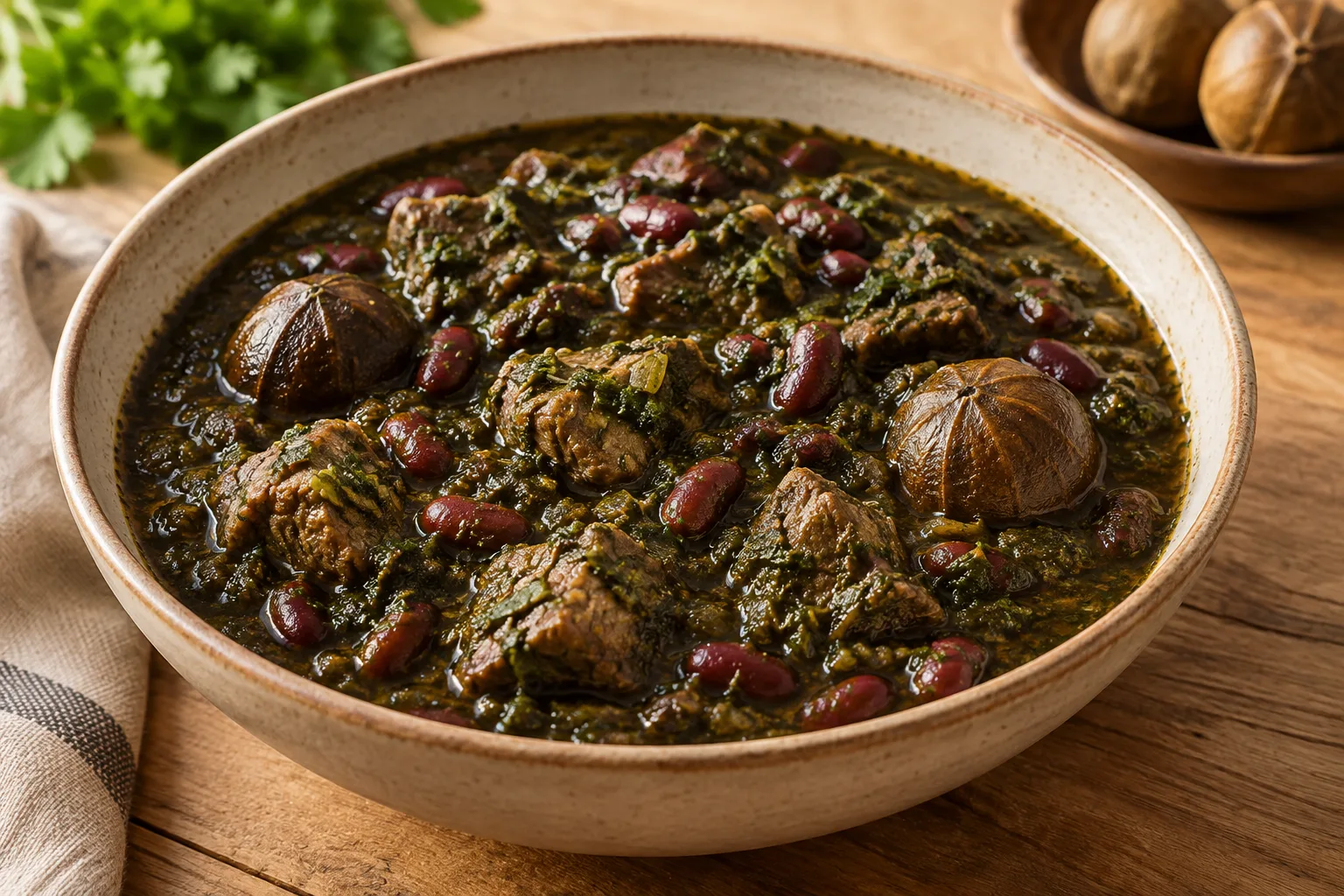
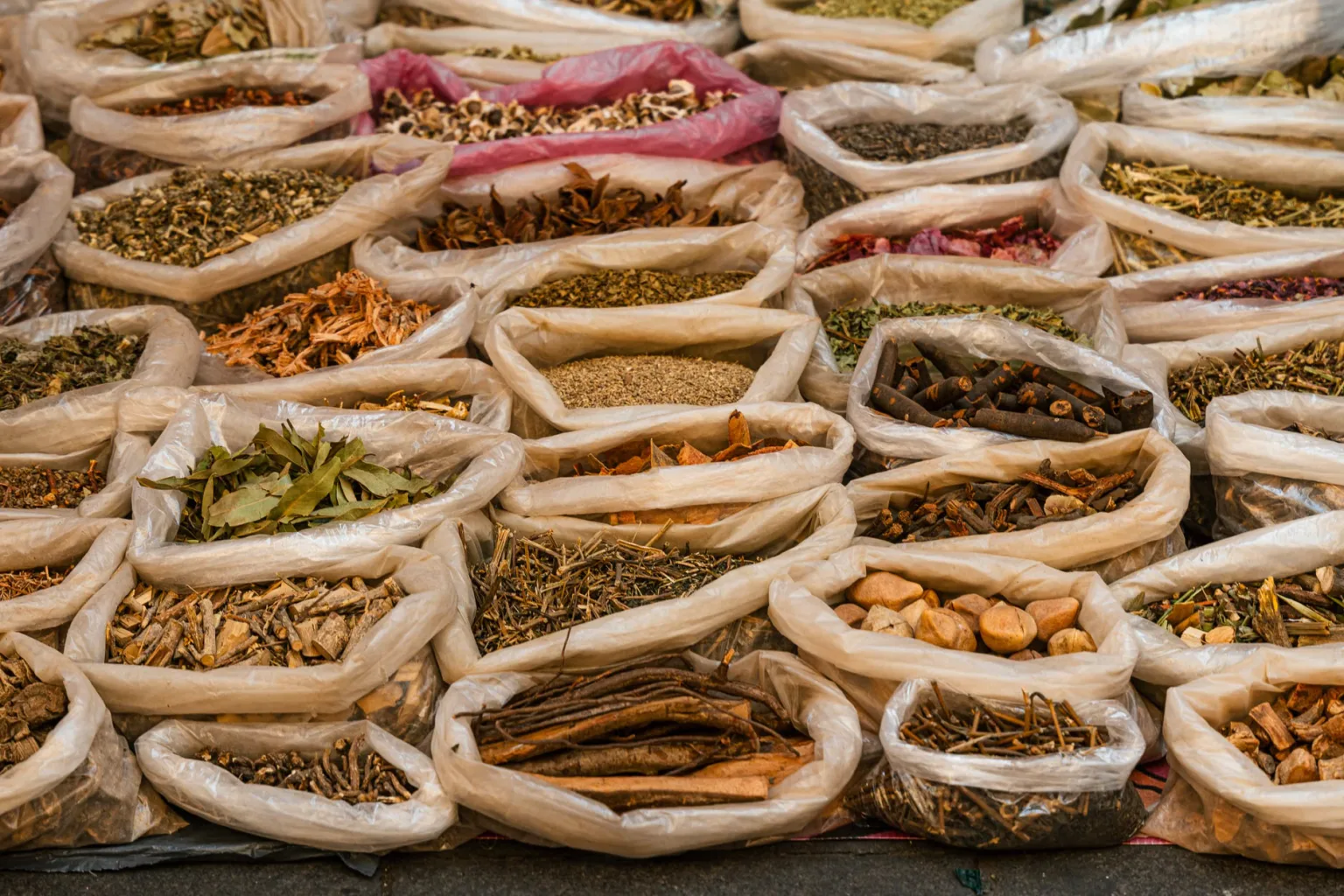
Fenugreek, also known as methi, is a member of the legume family whose leaves and seeds are used in cooking. The name “dried fenugreek” alone does not tell you which part is in the package: it may mean dried leaves, whole seeds or ground seeds. The seeds are hard and aromatic; dried leaves are used more like a dried herb. Fenugreek appears in curry and other spice blends, where it contributes an aromatic, bitter note. Check the package to identify the form before choosing how to prepare it.
When to use it
Use it when you want to add an aromatic, spiced and slightly bitter character, particularly to curries, spice blends, legume stews, soups, sauces or breads. Choose seeds when you want to grind them or add them to a cooked dish; ground fenugreek is convenient to disperse, while dried leaves can be used like other dried herbs. Its flavour can be assertive, so start with a small amount and adjust after tasting.
How to use it
First identify whether your product is dried leaves, whole seeds or ground seeds. Add dried leaves to a dish while it cooks, as you would other dried herbs. Whole seeds are hard: grind or crush them before adding if you do not want to encounter intact seeds in a bite. They may also be toasted lightly to develop their aroma, but overtoasting can intensify bitterness. Ground fenugreek mixes readily into spice blends, soups, sauces and stews. Start with a little and taste before adding more.
Flavour and texture
Fenugreek has a penetrating aroma and can taste strongly bitter, with notes some sources describe as sweet, nutty or reminiscent of maple syrup. Perception varies with the form and preparation. Whole seeds are hard and can be unpleasant if left intact in a mouthful; ground seeds disperse more easily, while dried leaves behave more like an herb.
How to choose it
Check the label to see whether you are buying dried leaves, whole seeds or ground fenugreek: the forms differ in texture and use. Whole seeds are very hard and can be ground at home; ground fenugreek can be added directly to a dish. If the package does not identify the plant part or form, ask the seller before choosing it for a particular recipe.
Storage
The available sources do not specify a home-storage method or shelf life. Follow the package directions and retain the label information. Whole seeds are described as more stable in storage than ground fenugreek, whose aroma may lose freshness sooner; do not turn that general distinction into a use-by date if the producer has not provided one.
Substitutions
For dried leaves, dried parsley or dried mint can serve as alternative herbs, but neither reproduces fenugreek’s flavour. A curry or panch phoron blend can provide a different spiced character, not a direct replacement: it may contain other spices and change the recipe’s profile. Choose according to whether you need a leaf-herb substitute or a broader aromatic blend.
Common mistakes
Do not assume that “dried fenugreek” means leaves: check whether you have seeds or herb. Avoid adding a large amount of whole seeds without grinding them, because they are hard. Do not toast seeds excessively, as this can heighten bitterness. Since the flavour is strong, starting with a small amount helps prevent it from overpowering the dish.
Safety and allergens
Use it as a culinary ingredient and follow the package directions. The available evidence provides no specific official food-safety warning and does not establish an allergen declaration for this product. If you have a personal question about consuming it or the package contents, consult an appropriate professional.
Culinary uses
- Seasoning for curries and other spice blends
- Aromatic addition to stews, soups, sauces and breads
Recommended techniques
- Use dried leaves as a herb, adding them to a dish as it cooks
- Grind or crush hard seeds before adding them to food
- Toast seeds lightly and briefly to develop aroma; avoid overtoasting
Pairs well with
- Lentils and other legumes
- Rice and couscous
- Breads and savoury baked goods
- Curries and other spice blends
Frequently asked questions
Is dried fenugreek made from leaves or seeds?
It may be dried leaves, whole seeds or ground seeds. Check the label, since the preparation and texture differ by form.
Should I grind fenugreek seeds?
The seeds are hard. Grinding or crushing them before use helps avoid intact seeds in the dish and makes them easier to distribute.
How can I keep fenugreek from tasting too bitter?
Begin with a small amount and taste as you go. If you have seeds, avoid overtoasting them, which can intensify bitterness.
Sources and review
Automatically researched, cross-checked and validated content. Sources consulted:
- ¿Por qué la muerte es origen de miedos y tabúes? doi.org
- Client Challenge doi.org
- Curry - Wikipedia, la enciclopedia libre es.wikipedia.org
- Fenogreco: qué es, para qué sirve, propiedades y uso en la cocina bonviveur.com
- Fenogreco | Gastronomía & Cía gastronomiaycia.com
- Descubriendo el Fenogreco: Especia Ancestral para tu Salud y Cocina - Especias RUCA ruca.es
- Fenogreco o alholva | CreatiVegan.net creativegan.net
- Fenogreco | PAPRIMUR paprimur.es
- Especia - Wikipedia, la enciclopedia libre es.wikipedia.org
- El fenogreco en la gastronomía – Botanical-online botanical-online.com
- Fenogreco: qué es, qué propiedades tiene y cómo incorporar este condimento ancestral a nuestra cocina directoalpaladar.com
- Fenogreco o alhova, sus beneficios y usos naturitas.es
- Cómo cocinar Fenogreco – Botanical-online botanical-online.com