- Category
- Herbs and spices
- State
- Dry
- Usual unit
- unit
What it is
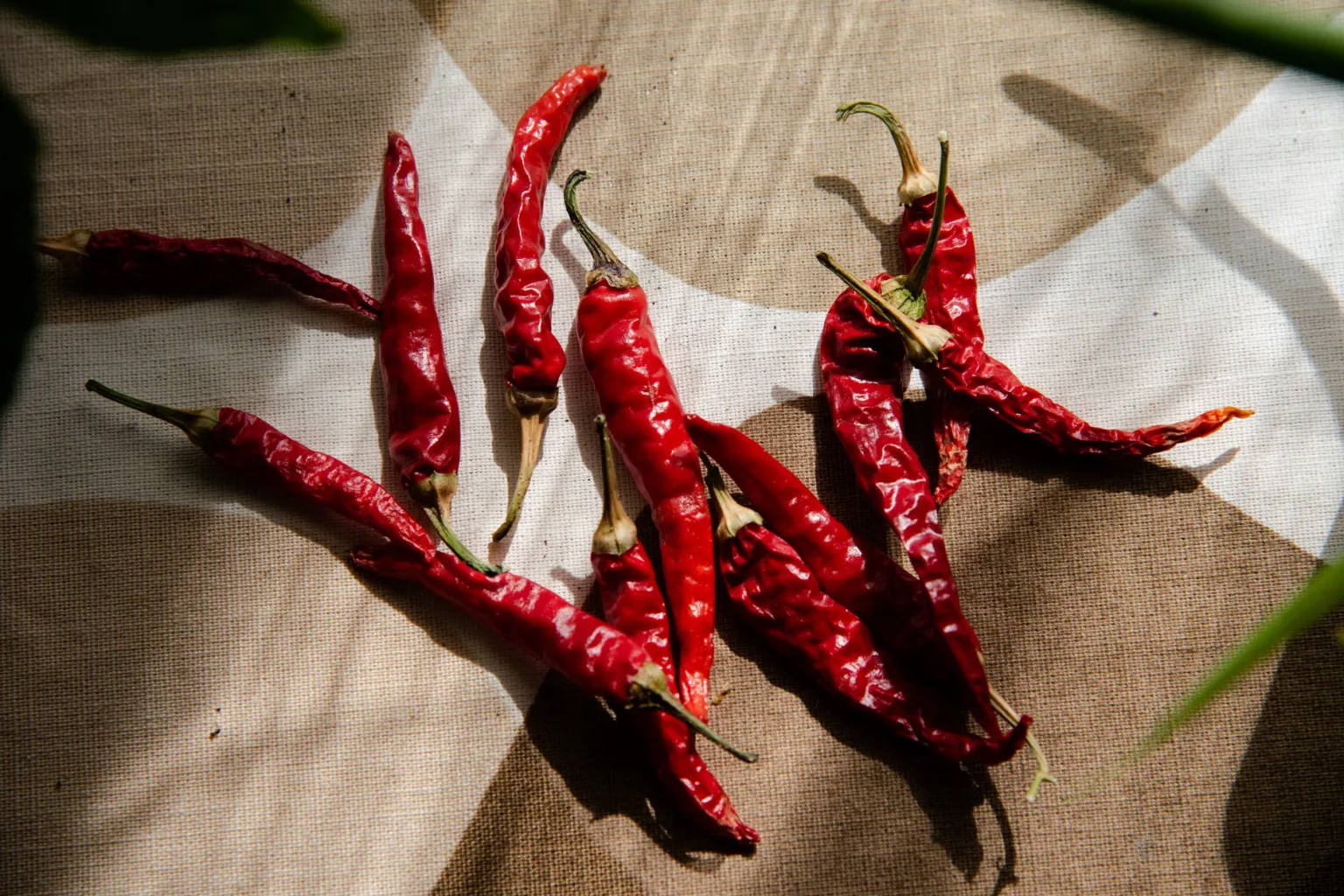
Dried guaque chile is the name used for this ingredient. The available sources do not reliably identify its variety or species, or establish which fresh chile it might be related to. One source describes guajillo, but that information does not show that guaque and guajillo are the same. This profile therefore does not assign guaque a specific origin, color, flavor, heat level, or traditional use. For cooking, it can be approached cautiously as a dried chile, while recognizing that general guidance for the category has not been verified for every variety. If a recipe depends on the chile’s identity or a particular flavor profile, check the name with the supplier before using it.
When to use it
You can try it in a recipe calling for a dried chile if you are able to adjust the result based on its observed flavor and heat. Sources list sauces, adobos, moles, and stews as general uses for dried chiles, but do not confirm that guaque is traditional or especially suited to those dishes. If a recipe depends on a particular color, intensity, or flavor, do not assume this ingredient will provide it: start with a small amount and taste before adding more. When the recipe requires a specific variety, check the package name or ask the seller.
How to use it
Check the package and the product before cooking; the sources give no guaque-specific preparation instructions. As general practices for some dried chiles, they describe opening them and removing seeds and veins, briefly toasting without scorching, then hydrating so they can be blended into a sauce. These steps have not been confirmed for guaque in particular, so follow supplier or recipe directions if available. You can also try it in a sauce or stew, adding a little at a time and tasting before increasing the amount. Sources describe general combinations of dried chiles with tomato, other chiles, fats, chocolate, and nuts in sauces and moles; they do not establish a pairing specific to guaque.
Flavour and texture
The available sources do not reliably describe the particular flavor, aroma, color, or texture of dried guaque chile. Dried chiles vary, so information published about guajillo or other varieties should not be transferred to guaque. Inspect the product and taste a small amount before adjusting a recipe. A general source says drying can concentrate flavors, but does not establish how this process affects guaque.
How to choose it
Look for packaging that clearly identifies the product as guaque and lets you check the variety name, since the available sources do not clarify possible confusion with other chiles. Prefer a dry, well-sealed product without visible moisture or obvious signs of deterioration. If heat level matters to your recipe, ask the seller; no reliable reference supplied here establishes it for guaque. The advice about moisture is general guidance for dried chiles, not a guaque-specific standard.
Storage
The available sources do not establish a shelf life or specific storage conditions for dried guaque chile. Keep it closed and follow the package or seller’s instructions. Do not use the product if you see moisture or deterioration; this caution does not set a storage time limit. Do not apply storage durations published for other varieties, as they have not been verified for this ingredient.
Substitutions
A direct substitute for guaque has not been verified. If it is unavailable, choose another dried chile whose flavor and heat you know, then adjust the amount gradually and taste as you go. Ancho is a possible alternative within the dried-chile category, but sources do not show that it reproduces guaque’s profile. Nor should you assume that a fresh chile will replace a dried one without changing the result of the recipe.
Common mistakes
A key mistake is confusing guaque with guajillo and assigning the former characteristics documented only for the latter. It is also best not to assume that all dried chiles have the same heat, aroma, or uses. If you follow the general toasting guidance, avoid scorching it: culinary sources warn that excessive toasting can harm the flavor of dried chiles.
Safety and allergens
No official guaque-specific warning was supplied. Check the product before use, follow the package directions, and discard it if it shows visible moisture or deterioration.
Culinary uses
- Aportar sabor y color a salsas y guisos, como uso general de los chiles secos
- Integrarse en adobos y moles, sin que se haya confirmado un uso específico del guaque
Recommended techniques
- Abrir y retirar semillas y venas si la receta lo requiere; es una pauta general para ciertos chiles secos
- Tostar brevemente sin quemar, hidratar y triturar para incorporarlo a una salsa; práctica general no verificada específicamente para guaque
Pairs well with
- Tomate y otros ingredientes jugosos para salsas
- Otros chiles secos; también grasas, chocolate y frutos secos en preparaciones como moles
Frequently asked questions
Is dried guaque chile the same as guajillo?
The available sources do not confirm that they are the same chile. Information about guajillo is available, but it does not identify guaque; check the product before treating the names as equivalent.
How hot is dried guaque chile?
The supplied evidence does not establish its heat level. Taste a small amount and adjust gradually based on the result.
How can I prepare it?
General techniques for some dried chiles include briefly toasting, hydrating, and blending them into a sauce. These have not been verified specifically for guaque; check the package and follow the recipe or supplier directions.
Estimated nutrition
- Fat
- 5.81 g
- Saturates
- 0.81 g
- Carbohydrate
- 69.9 g
- Sugars
- 41.1 g
- Fibre
- 28.7 g
- Protein
- 10.6 g
- Salt
- 0.23 g
Sources and review
Automatically researched, cross-checked and validated content. Sources consulted:
- ¿Por qué la muerte es origen de miedos y tabúes? doi.org
- Client Challenge doi.org
- Tipos de Chiles Secos Mexicanos: Características y Usos abarrotes.es
- Chiles secos: el Ama de nuestra gastronomía | Love Veg loveveg.mx
- Chile guajillo - Wikipedia, la enciclopedia libre es.wikipedia.org
- Chile guajillo: guía práctica para cocinarlo y comprarlo – La Condesa lacondesabarcelona.com
- El Arte de Trabajar el Chile Pasilla: Técnicas y Secretos Culinarios chefyerika.com
- - YouTube youtube.com
- Chile Guajillo Mexicano | Comprar Seco en España jalapenostugitana.es
- Para cocineros en Europa: 12 chiles mexicanos básicos y sus sustitutos – La Condesa lacondesabarcelona.com