- Category
- Fruit
- State
- Dry
- Usual unit
- piece
What it is
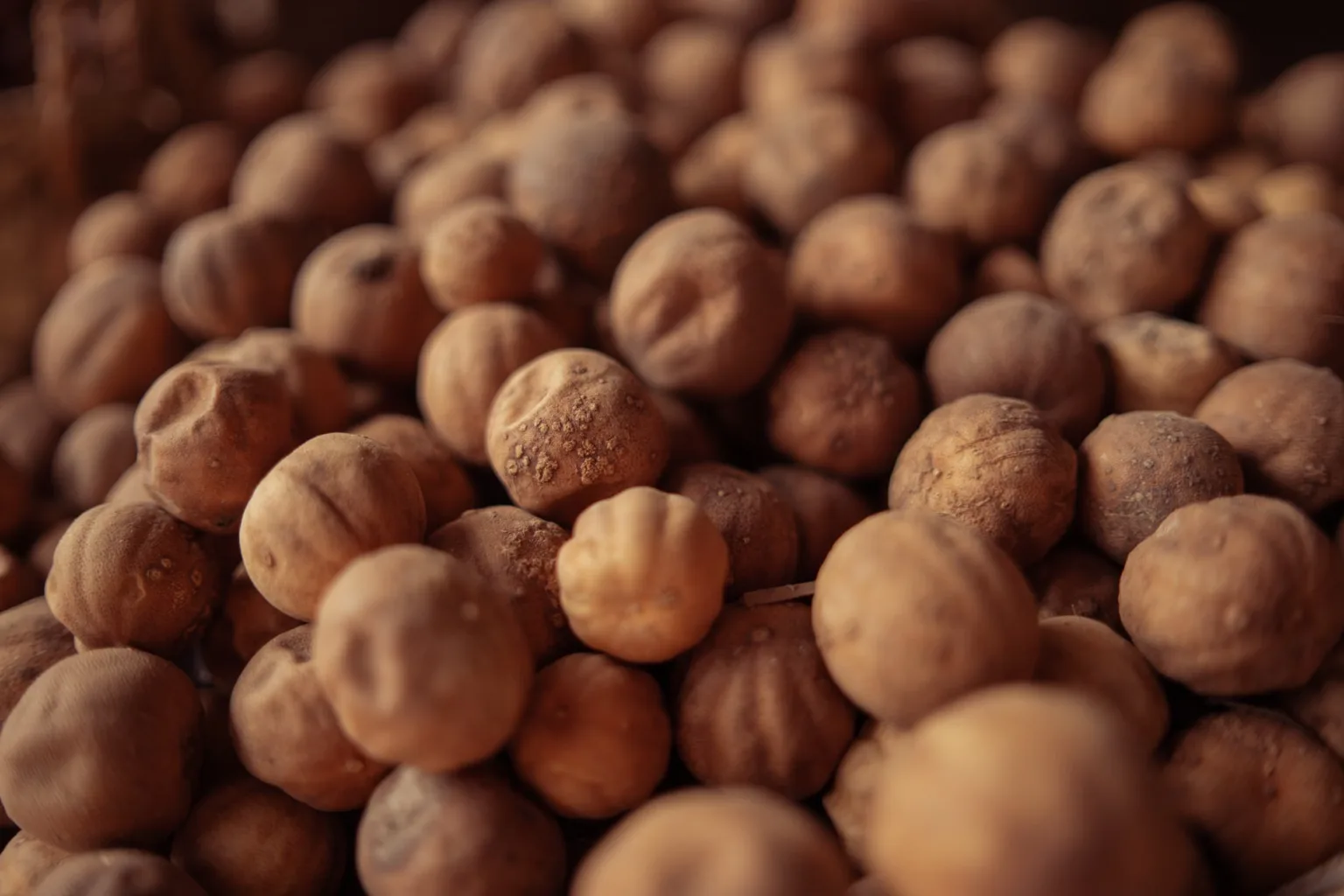
Dried lime is dehydrated citrus fruit sold whole, sliced or ground. A form known as loomi or limoo amani is often dark and is used in Middle Eastern cooking; available descriptions associate it with citrus acidity alongside earthy, bitter and, depending on the product, faintly fermented or smoky notes. The name can be confusing: dried kaffir lime leaves are a different ingredient, not the whole fruit covered here. Check the product name and form on the package before cooking, because citrus type and format affect how it is used and how strongly it flavors a dish.
When to use it
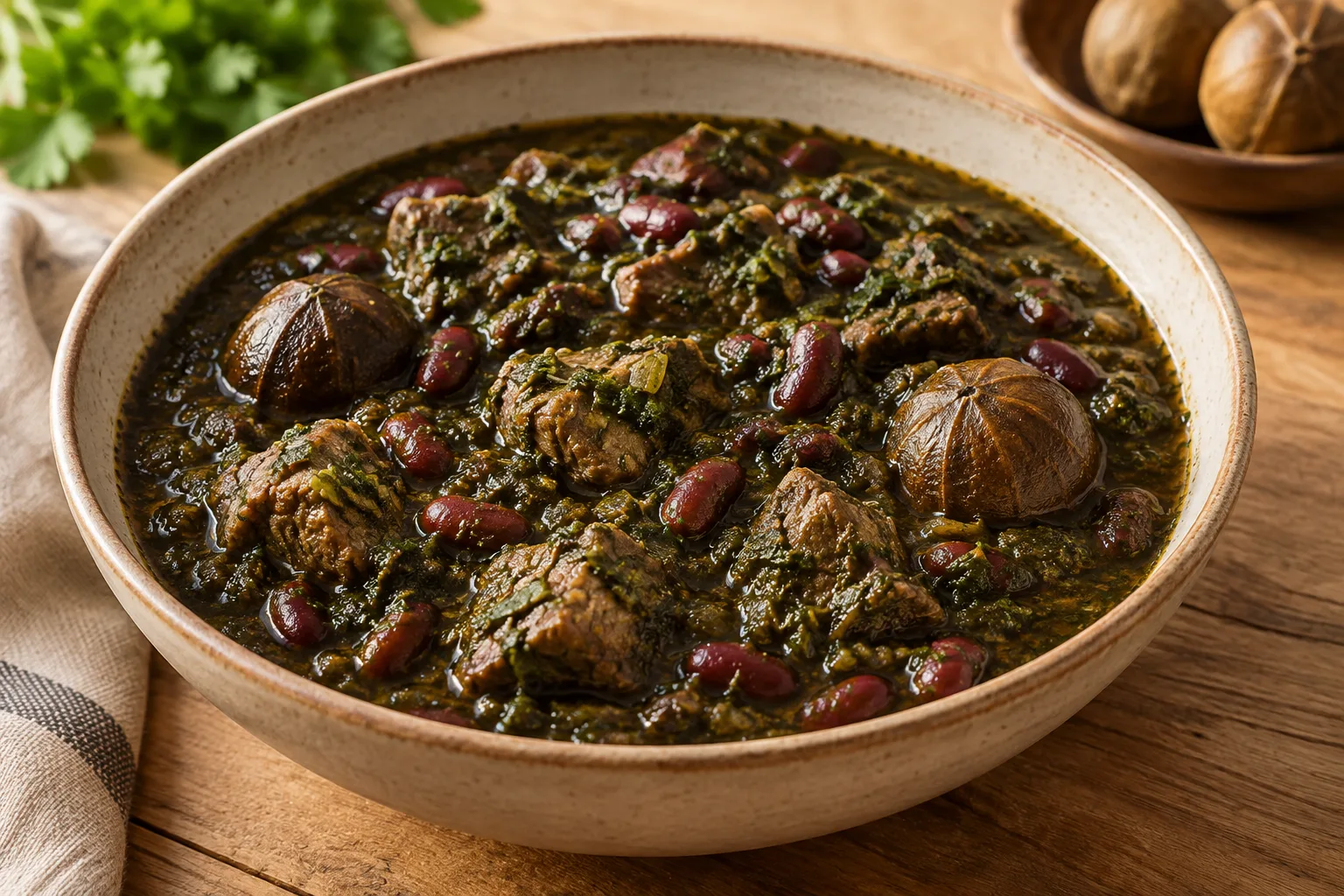
Choose dried lime when you want a stew or soup to take on citrus aroma gradually, rather than receiving only a sharp, immediate hit of acidity. It can also season vegetables, fish or lamb, and some forms can flavor drinks and infusions or add a citrus note to desserts. The result depends on the product: a whole fruit, a slice and a powder are used differently. If you want only fresh, direct acidity, fresh lime or lemon is a different choice, not an exact equivalent.
How to use it
First read the package to confirm whether you have whole fruit, slices or powder, and that the product is dried lime rather than dried kaffir leaves. For soups and stews, add the whole lime to the liquid and let its aroma infuse during cooking; taste the dish and remove it when the balance suits you. Another documented option is to crush or grind the dried fruit and use it as a seasoning, taking care not to overwhelm the other flavors. Slices can be infused in drinks. Start with a small amount if the product is unfamiliar, since forms and intensity vary; adjust gradually and taste before adding more.
Flavour and texture
Its profile combines citrus aroma and acidity with a depth different from fresh lime. Depending on variety and preparation, it may show earthy notes, slight bitterness, some sweetness or subtle hints reminiscent of fermentation or smoke. Whole dried fruit does not have the same immediate effect as juice: it releases aroma gradually when cooked in liquid. The exact flavor varies between products, so taste a small amount before making a dish more assertive.
How to choose it
Look for a package that clearly identifies the product as dried lime fruit and states whether it is whole, sliced or ground; do not confuse it with dried kaffir lime leaves. For whole fruit, the commercial source consulted recommends a dry product with no visible moisture and a noticeable aroma. Check the package and its use-by information, and choose an amount suited to how often you cook with it. A black appearance is associated with some loomi forms, but the generic name can cover different products.
Storage
Keep the product dry and protected from moisture, following the package directions. Seal the container after each use and store it away from steam or water. A commercial source consulted emphasizes that black lime should be kept free of moisture; it does not provide a universal storage period, so do not assign it a fixed shelf life. If the product is damp, visibly altered or the package specifies different conditions, follow the manufacturer’s information and do not use it if its condition raises concerns.
Substitutions
Fresh lime zest can provide citrus aroma, and lime or lemon juice can provide acidity, but neither exactly reproduces dried lime’s gradual infusion and nuanced notes. Use them as partial alternatives when the ingredient is unavailable, adjusting the flavor at the end. They are not direct, measure-for-measure substitutes: dried lime can be more complex and, depending on the product, somewhat bitter. Dried kaffir leaves are not a substitute for dried fruit either.
Common mistakes
Confusing dried fruit with dried kaffir lime leaves, which are a different ingredient. Adding too much powder or fruit without tasting, allowing its citrus and bitter character to dominate. Expecting fresh juice to reproduce dried lime’s slow infusion, or assuming every product called dried lime has exactly the same flavor profile.
Safety and allergens
The supplied official sources do not provide a specific warning for dried lime. Handle it with clean utensils, keep it dry and follow the package directions; do not use it if you see moisture or deterioration. General hygiene guidance for handling fresh foods does not establish a product-specific storage period for this dried ingredient.
Culinary uses
- Aromatizar guisos y sopas con acidez cítrica profunda
- Dar carácter a platos de verduras, pescado y cordero
- Perfumar bebidas e infusiones; algunas presentaciones también se usan en postres
Recommended techniques
- Añadir la lima entera a sopas o guisos para que infusione durante la cocción
- Moler o triturar la lima seca y usarla en polvo
- Infusionar piezas o rodajas en bebidas
Pairs well with
- Guisos y sopas
- Verduras
- Pescado
- Cordero
- Bebidas e infusiones
Frequently asked questions
Is dried lime the same as dried kaffir lime leaf?
No. Dried lime in this profile is the dehydrated fruit; dried kaffir lime leaf is a different product. Check the package name and form before use.
How do I use a whole dried lime?
It can be added whole to a soup or stew to infuse during cooking. Taste the dish and remove it when the flavor is balanced.
Can I replace it with lime juice?
Juice gives more direct acidity but does not reproduce dried lime’s depth or gradual infusion. It can work as a partial alternative, adjusted to taste.
Sources and review
Automatically researched, cross-checked and validated content. Sources consulted:
- Client Challenge doi.org
- The Essential Glossary of Cooking Terms for the Culinary Arts - Escoffier escoffier.edu
- Storing White Rice | USU extension.usu.edu
- Nutrition After Your Transplant - Health Online healthonline.washington.edu
- Comité Científico aesan.gob.es
- Safe & Healthy Food Pantries Project - Health & Well-Being health.extension.wisc.edu
- Qué es la lima kaffir, ingrediente imprescindible de la cocina tailandesa directoalpaladar.com
- | National Center for Home Food Preservation nchfp.uga.edu
- Vamos a Conservar Alimentos: El secado de frutas y vegetales (Deshidratación) extension.psu.edu
- 'Doing' Llama Face Stew: A Late Moche Culinary ... scholarworks.utrgv.edu
- The Nutritional Content of Five Southwestern ... extension.cmn.edu
- Exercise Shifts Hypothetical Food Choices toward Greater ... digitalcommons.unl.edu
- Loomi, el limón negro de oriente medio - La Abuela Carmen laabuelacarmen.com
- Lima Seca (Limoo Amani): El Ingrediente Secreto Detrás de los Guisos Persas – Noush Blog noush.es
- Hojas de lima kaffir secas | Gastronomía & Cía gastronomiaycia.com