- Category
- Pulses
- State
- Dry
- Usual unit
- g
What it is
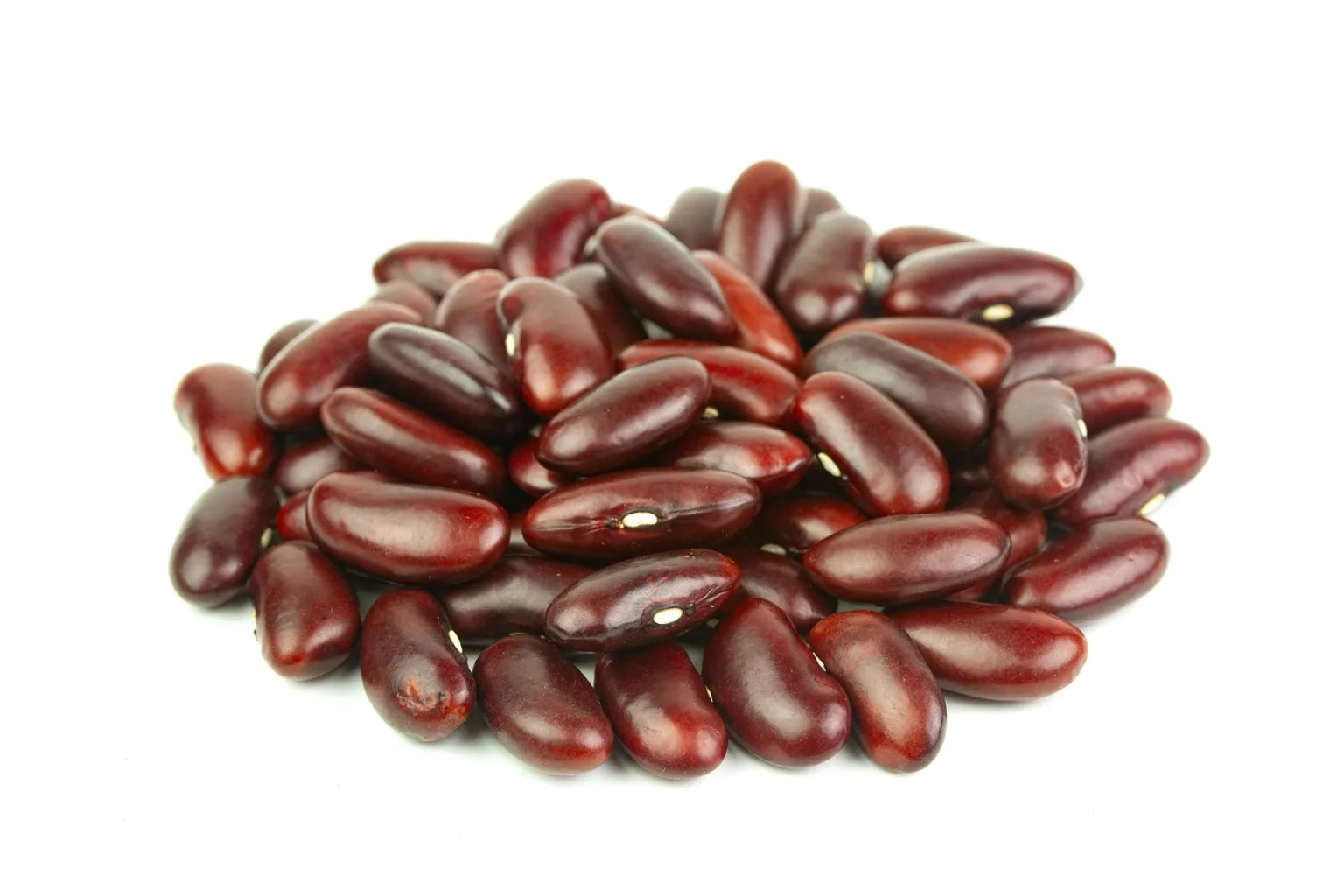
Dried red kidney beans are mature, dried edible seeds from a legume plant. Beans in the Phaseolus genus can have red skins and a kidney-like shape, but the common name covers varieties that differ in size, shade, and texture. In cooking, they are used as a pulse rather than as a fresh vegetable, and need preparation before they are added to a dish. This profile covers dried seeds, not green pods or beans already cooked in a can. The appearance of the dry beans and the final result can vary from one variety or batch to another.
When to use it
Use them when you want whole beans and a fuller, more colorful cooking liquid in a soup, stew, or pot of pulses. They can also go into salads, purées, and rice dishes once prepared and cooked according to the package directions. Because they are dry, they are not ready to add straight to a recipe in the way canned cooked beans are; plan their preparation before you begin. If you want to reduce that work, choose cooked canned red beans and follow the label directions for that product.
How to use it
Check the beans and follow the package directions for preparation. Some recipes for dried beans recommend soaking, draining, and cooking them in water until tender; timing and results can vary, so a single universal cooking time is not appropriate. Then add them to soups, stews, or rice and vegetable dishes. For a smooth texture, blend the beans after cooking and adjust the purée with liquid from the dish. If you use cooked canned beans instead of dried ones, change the process to suit the recipe and label: they start in a different state.
Flavour and texture
Culinary descriptions characterize red beans as more pronounced in flavor than some white beans and as suitable for stews. During cooking, they can add color to the liquid. The result depends on the variety and preparation: beans may remain whole for a salad or become softer in a stew or purée. Red beans do not all have exactly the same size, shade, or consistency.
How to choose it
Choose a pack identified as dried red beans and check that the beans look dry and whole, with no visible signs of dampness or damage. The name and appearance can cover different varieties, so check the label for the product description and preparation directions. Do not confuse these dried seeds with green pods or red beans already cooked in a can: they are different product states and are not prepared in the same way.
Storage
Keep the unopened pack in a dry place protected from moisture, and follow any storage directions from the manufacturer. After opening, you can keep the beans in a clean, dry, tightly closed container and retain the label or note the variety and cooking directions. The available evidence does not support a specific storage period or temperature. If the product shows dampness, visible deterioration, or an unusual smell, do not use it and consult the package directions.
Substitutions
You can substitute another dried bean variety when a recipe allows beans, but check its state and adapt preparation to the package directions: varieties do not all behave identically. Cooked canned red beans are another practical option, though they are already cooked and need a different process. Do not swap them as if cooking time, texture, or liquid needs were identical.
Common mistakes
A common mistake is treating dried beans as though they were canned beans ready to add to a dish. It is also easy to assume that every variety has the same size, texture, or cooking behavior. Follow the product directions, check that the beans are tender before using them, and do not apply the process for dried beans to a cooked canned product.
Safety and allergens
For preparation, follow the product package and recipe directions. This profile does not provide a specific safety warning and does not replace the manufacturer's instructions.
Culinary uses
- Base de guisos y potajes
- Ingrediente para ensaladas, sopas y purés
Recommended techniques
- Remojo antes de la cocción, si lo indican la receta o el envase
- Cocción en agua hasta que estén tiernas
- Triturado para preparar purés
Pairs well with
- Arroz y otros cereales
- Verduras, tomate y hierbas aromáticas
Frequently asked questions
Do dried red kidney beans need soaking?
Some recipes for dried beans recommend soaking before cooking. Check the package and recipe directions, since this profile does not set a universal soaking time.
Can I add them straight to a salad?
Not in their dried state: they need preparation and cooking first. For a quick salad, you can use cooked canned red beans and follow their label directions.
What dishes work well with them?
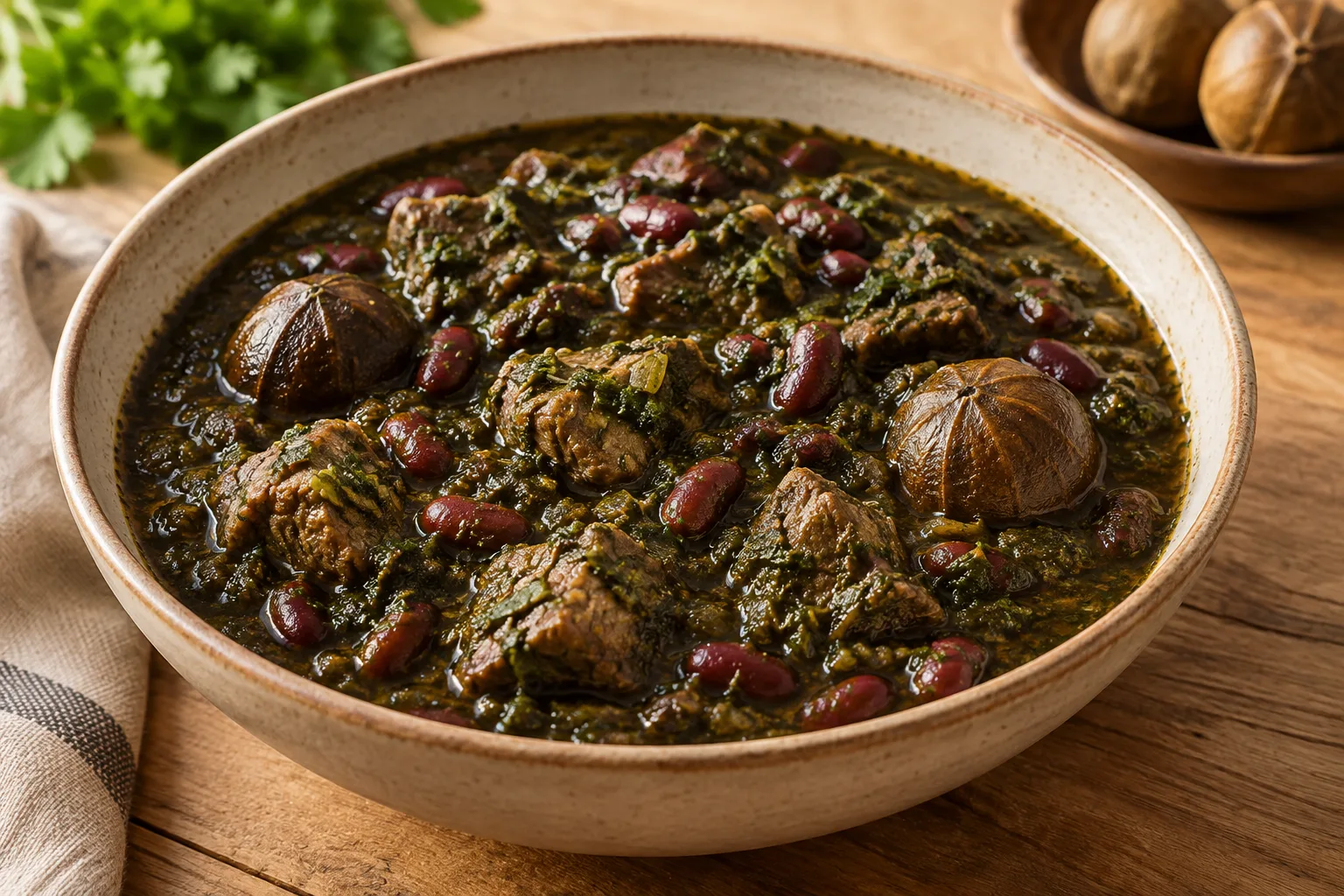
They are used in stews and soups, can accompany rice and vegetables, and can be blended into a purée. Their color may tint the cooking liquid.
Sources and review
Automatically researched, cross-checked and validated content. Sources consulted:
- Client Challenge doi.org
- Gastronomía sefardí - Wikipedia, la enciclopedia libre es.wikipedia.org
- Las alubias o judías secas | Consumer consumer.es
- Las alubias o habichuelas: origen, variedades, beneficios y recetas para cocinar la legumbre más extendida del mundo directoalpaladar.com
- ¿Cuántos tipos de alubias hay? | Fine Dining Lovers finedininglovers.es
- elBulli: un nuevo lenguaje en la gastronomía repositorio.ucjc.edu
- Sevin 16oz Concentrate Label v20 ucanr.edu
- Sevin RTU Gallon Label v14 picol.cahnrs.wsu.edu
- "ALIGN=CENTER>LES TROIS MOUSQUETAIRES -- Los tres mosqueteros" people.duke.edu
- Diferencia entre alubia blanca y alubia roja - Periòdic del Camp de Túria infoturia.com
- Alubias rojas con verduras: receta rápida, sana y con sabor casero | Conservas El Juncal conservaseljuncal.com
- Alubias: tipos y beneficios - Legumbres Pedro legumbrespedro.com
- - YouTube youtube.com
- Propiedades de las alubias rojas y cómo cocinarlas - vitalicio vitalicio.es
- Sofrito para alubias rojas de bote: Pasos y consejos burcol.es