- Category
- Pulses
- State
- Dry
- Usual unit
- g
What it is
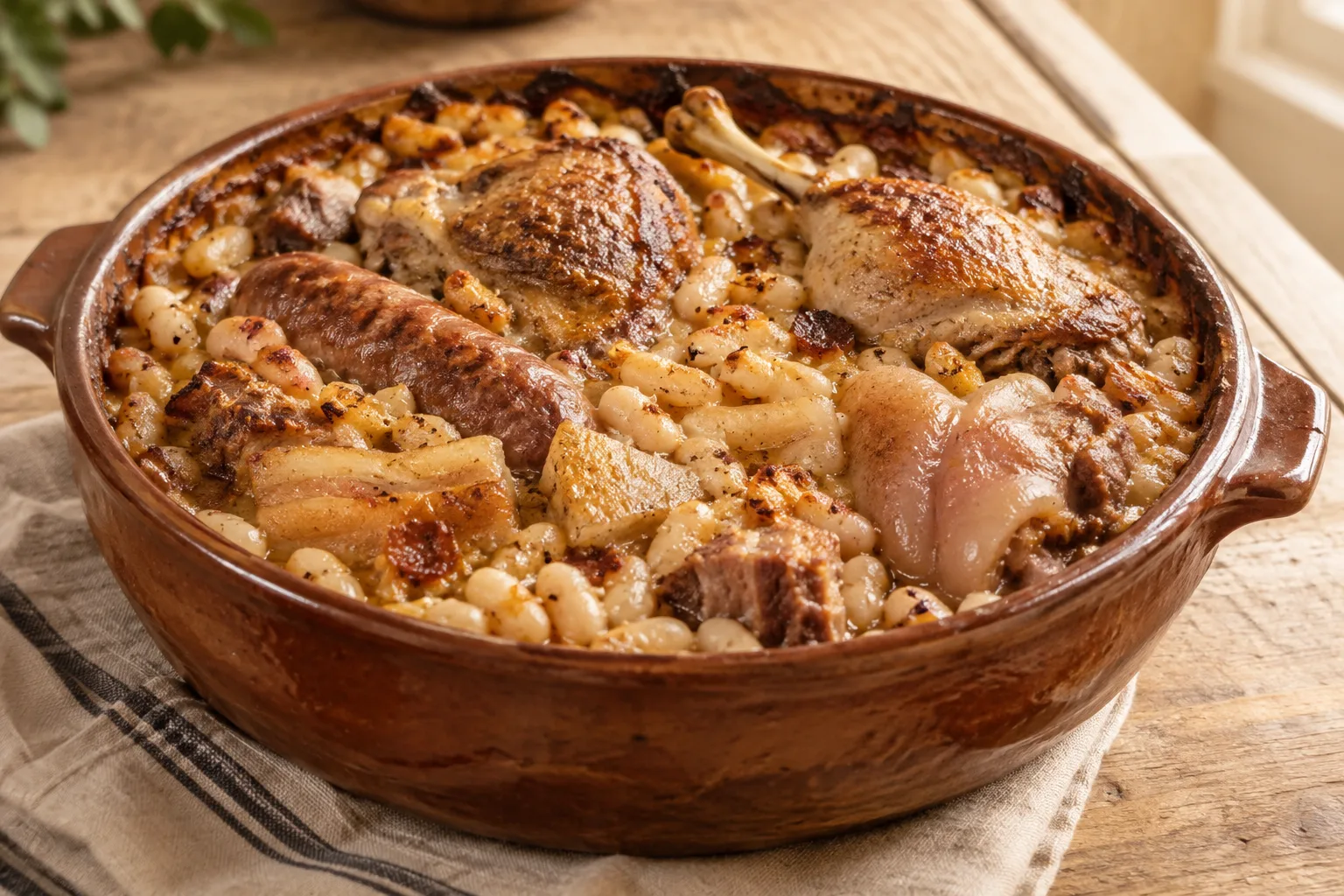
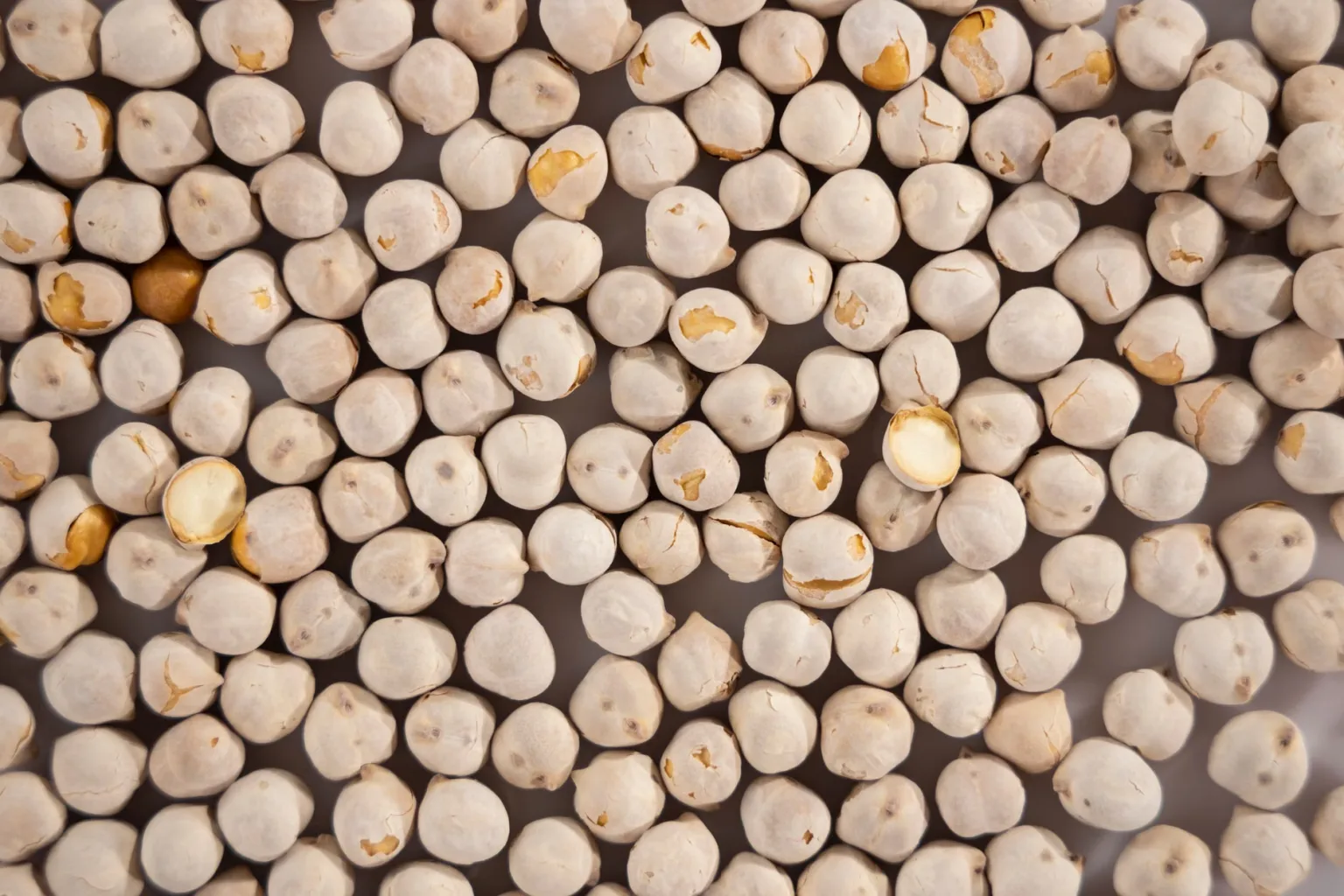
Dried white beans are mature seeds removed from their pods and sold as a dry legume. “White bean” does not describe just one variety: size, shape, skin and cooked texture can differ from one kind to another. Some are small and oval; others, including certain large beans, are much bigger. The variety named on the package can therefore tell you more about what to expect than the color alone. In the kitchen, dried white beans are often used in hearty soups and stews, but they can also be served cold or blended. They need hydration and cooking before eating, and should not be confused with tender green bean pods, which are used as a vegetable.
When to use it
Choose dried white beans when you want a substantial base for a soup, pot of beans or gently simmered stew, or a legume to serve chilled in a salad. White varieties are widely described as versatile and are often used where a tender, creamy interior and mild flavor are welcome. They also work in purées and vegetarian dishes. Because white beans include different sizes and varieties, use the package description as a guide and check the beans as they cook rather than assuming they will all behave alike. For a quicker meal, cooked canned beans are a convenient alternative.
How to use it
Sort through the beans and remove any damaged beans or foreign material. One preparation method described for white beans is to soak them in cold water overnight; they can then be briefly blanched, drained and continued in fresh water at a gentle simmer until tender. There is no single cooking time that applies to every bean: size, variety and condition affect the result, so follow the package or a reliable recipe and check the texture. Add herbs or vegetables if you like. Serve them in soups and stews, pair them with rice, add them to a salad or blend them into a creamy purée. If using canned cooked beans, adjust the liquid and seasoning in the recipe.
Flavour and texture
White beans are generally described as mild and delicate, with flesh that can turn tender and creamy when cooked. Texture is not identical across varieties: bean size, skin thickness and the consistency of the interior can differ. Some are buttery, while others may remain firmer or seem more floury. In stews they can take on aromas from their companions. Beans of other colors may tint cooking liquid, but that effect should not automatically be assumed for white beans.
How to choose it
Choose a dry, intact, clearly labelled package and check its stated date. If a variety or specific provenance is named, that information can help set expectations about size and cooking behavior. “White bean” covers beans of different sizes and shapes, so do not assume that all packages will cook alike. For a more even result, look for a reasonably uniform selection, without treating color alone as a guarantee of quality.
Storage
Keep dried beans in a dry place protected from light. One source recommends storing them this way for no more than a year; always prioritize the package date and instructions, since product conditions may vary. Keep the package closed and away from moisture to maintain the beans in a dry state. Once cooked, these dry-product storage suggestions no longer apply: follow a suitable recipe and, for canned beans, the package directions.
Substitutions
You can replace white beans with another dried bean variety, but differences in size, skin and texture may affect the dish. Cooked canned white beans are also a useful shortcut; adjust the liquid and seasoning because they are already cooked. The result may not be identical, so check the texture before adding them if the recipe depends on whole, firm beans.
Common mistakes
Treating every white bean as the same variety can lead to unrealistic expectations about cooking and texture. Do not skip the hydration recommended by your recipe, and do not rely on a fixed cooking time alone: check that the center is tender. Also, do not confuse dry seeds with tender green bean pods; they are different products and are used differently.
Safety and allergens
For dried beans, use a reliable recipe and make sure they are thoroughly cooked before serving. If you are home-canning legumes, do not improvise the process: the safety guidance consulted says that low-acid foods, including beans, require an appropriate pressure-canning method; boiling-water canning is not a safe home-processing method for them.
Culinary uses
- Base cremosa para guisos y potajes
- Ingrediente principal en sopas, ensaladas y platos de legumbres
Recommended techniques
- Remojo en agua fría y cocción posterior
- Cocción suave a fuego lento
- Triturar una vez cocidas para preparar cremas
Pairs well with
- Hierbas aromáticas como perejil, estragón y ajedrea
- Verduras, ajo y cebolla
- Arroz y otros cereales
- Vinagretas bien condimentadas
Frequently asked questions
Do dried white beans need soaking?
One source describes soaking them in cold water overnight before briefly blanching and continuing the cooking. Follow the package directions or your chosen recipe as well.
Do all white beans cook the same way?
Not necessarily. The label may refer to varieties with different sizes and shapes, which can also vary in skin and texture. Check the beans as they cook.
Can I use canned white beans instead of dried?
Yes. They are a convenient alternative because they are already cooked. Add them according to the recipe and adjust the liquid and seasoning.
Estimated nutrition
- Fat
- 6.83 g
- Saturates
- 0.95 g
- Carbohydrate
- 23.32 g
- Sugars
- 0.32 g
- Fibre
- 5.9 g
- Protein
- 9.04 g
- Salt
- 0.55 g
Sources and review
Automatically researched, cross-checked and validated content. Sources consulted:
- Client Challenge doi.org
- The Essential Glossary of Cooking Terms for the Culinary Arts - Escoffier escoffier.edu
- Las alubias o habichuelas: origen, variedades, beneficios y recetas para cocinar la legumbre más extendida del mundo directoalpaladar.com
- ¿Cuántos tipos de alubias hay? | Fine Dining Lovers finedininglovers.es
- educational content to support healthful lifestyle practices sjsu.edu
- Elaboración de Conservas a Presión (Pressure Canning) | VCE Publications | Virginia Tech pubs.ext.vt.edu
- Revista del Comité Científico de la ... aesan.gob.es
- Project MUSE -- Verification required! muse.jhu.edu
- Healthy pregnancy handbook dickinson.edu
- Sevin 16oz Concentrate Label v20 ucanr.edu
- Alubia blanca - Gastronomía Vasca: Escuela de Hostelería Leioa gastronomiavasca.net
- Tipos de alubias: blancas, pintas, canela, fabes, judiones y otras variedades - El Mercado de Origen elmercadodeorigen.com
- La alubia blanca | La Fundación Louis Bonduelle fondation-louisbonduelle.org