- Category
- Meat
- State
- Preserved
- Usual unit
- unit
What it is
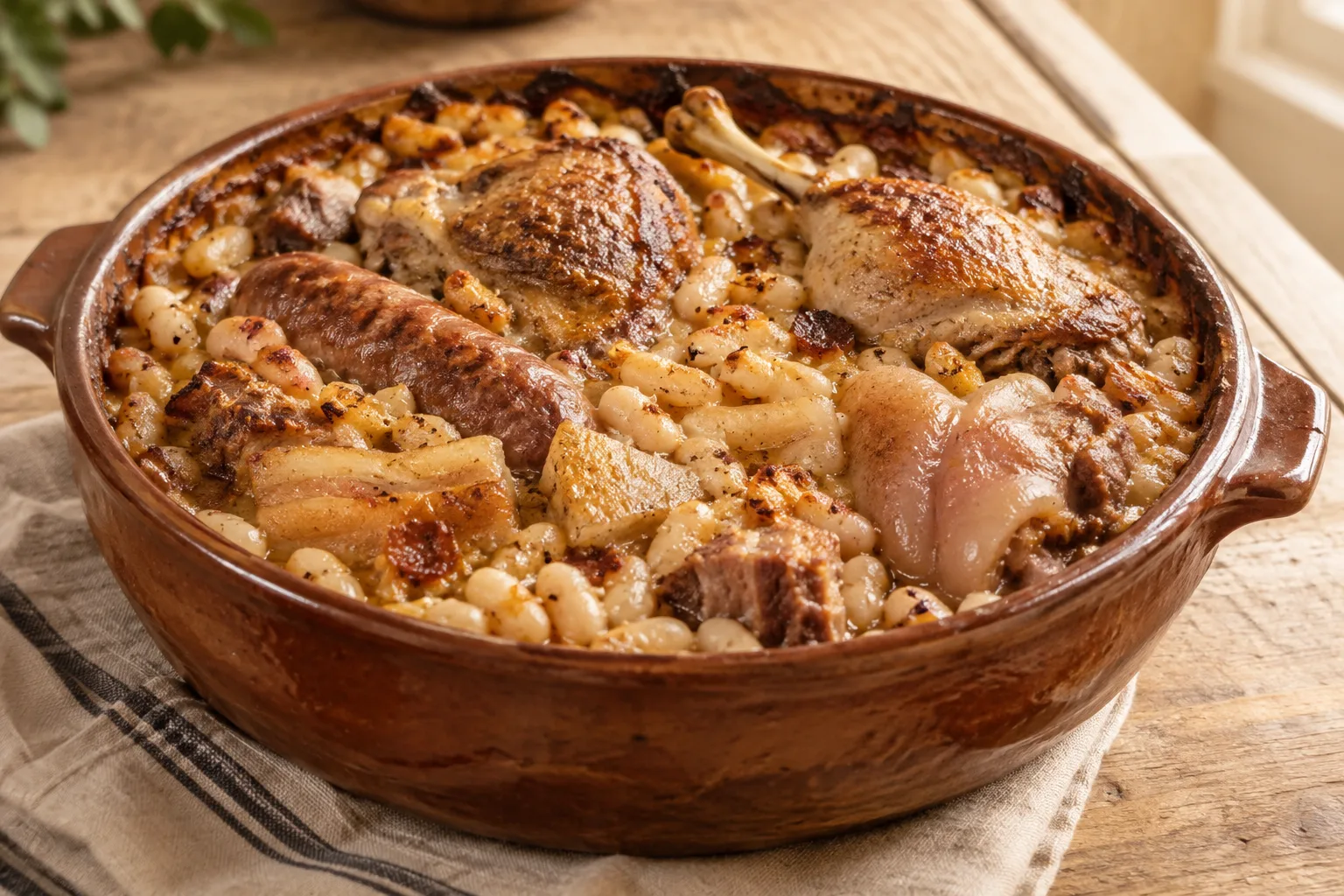
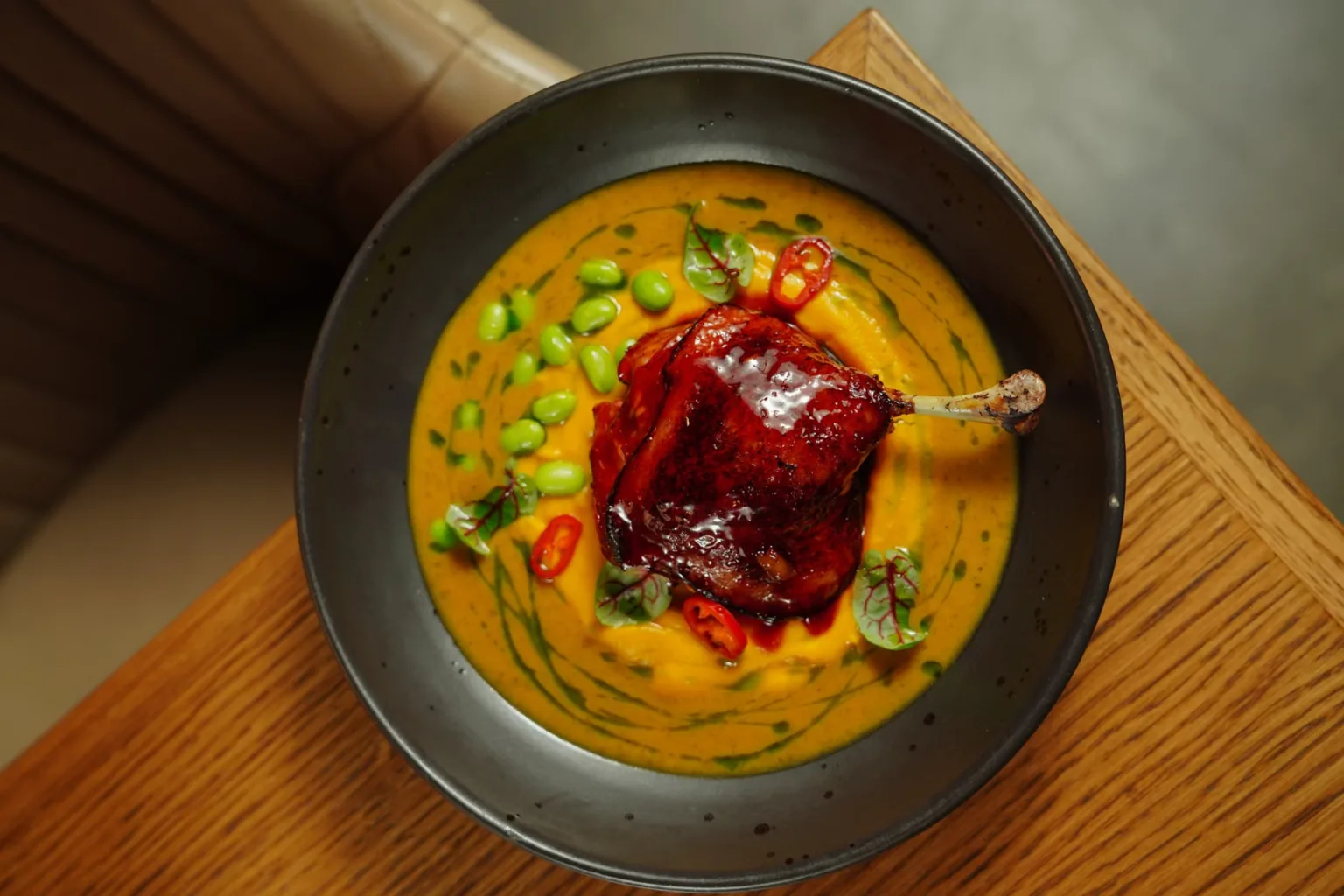
Duck confit is duck meat cooked slowly in its own fat. Products may include legs, wings, other wing sections or gizzards, so the name does not always refer to one particular cut. Slow cooking gives the meat a tender, juicy character, although the result varies by cut. Confit may be sold in packaging with fat around the pieces; follow the package directions and check whether further preparation is required. Do not mistake ready-made confit for raw duck intended for cooking.
When to use it
Use it as a main course when you want a duck portion that is already confited and needs only the preparation stated on its package. It is also convenient shredded into rice dishes, salads, lasagna, fillings or appetizers. A leg gives a substantial portion; wings contain more bone, while gizzards have a different texture. Choose the cut according to whether you want to serve an intact piece or work the meat into another dish.
How to use it
First read the maker’s specific directions, since cut and packaging can change how the product should be prepared. For legs, wings or upper-wing sections, one producer recommends removing excess fat and heating the pieces in an oven until the skin is golden and crisp; its times and temperatures apply to that product and should not automatically be used for other confits. Air-fryer instructions are also given for some formats. To use the meat without skin or bones, separate it after preparation and add it to salads, rice dishes, lasagna, fillings or appetizers. Consider whether a recipe can use the fat before discarding it.
Flavour and texture
Duck confit is described as juicy and savory, with skin that can become golden and crisp when heated appropriately. The bite varies with the cut: a leg has plentiful, firmer meat; a wing has more bone and can be tender; a gizzard is firmer with a slightly gelatinous quality. The fat used in confiting gives the dish richness, which can be balanced with fresh or acidic accompaniments.
How to choose it
Check which cut is in the package: legs, wings, upper-wing sections and gizzards differ in texture and in the balance of meat to bone. Also check the preparation directions and packaging; some products are sold in tins or with fat surrounding the pieces. If you plan to shred the meat for another recipe, choose a cut with enough meat and account for the bones. Do not infer the storage method from the product name alone.
Storage
Store the product according to its label, because packaging and commercial treatment can vary. The available evidence does not establish one universal storage duration or temperature for every confit. After opening, follow the manufacturer’s directions for refrigeration and use, and do not leave the product outside the conditions stated on the package. If the label is missing or unclear, ask the seller or manufacturer before storing or serving it.
Substitutions
For a different presentation, replace a leg with another confited duck cut, such as a wing, while allowing for more bone and less meat. If a recipe calls for an intact piece, shredded confit duck can serve a similar role in rice, salad or filling, but it will not provide the same presentation or crisp skin. These are not exact equivalents: adjust the amount for edible meat and the result you want.
Common mistakes
Do not assume every cut contains the same amount of meat or apply one product’s heating time to another. Avoid heating without checking the package: advice for one brand or format is not a universal rule. If you want crisp skin, do not cover it with sauce before heating is finished; serve the sauce separately or add it when plating.
Safety and allergens
Follow the package’s storage and preparation directions. If they are missing or the package is damaged, check with the manufacturer or seller rather than guessing at storage conditions.
Culinary uses
- Servir como plato principal
- Desmenuzar e incorporar a ensaladas, arroces, lasañas o rellenos
Recommended techniques
- Confitado lento en la propia grasa
- Calentar hasta dorar y crujir la piel
Pairs well with
- Patatas asadas o puré de patatas
- Ensalada fresca con vinagreta de mostaza
- Zanahorias o coles de Bruselas asadas
- Manzana, pera o frutos rojos
Frequently asked questions
Is duck confit always a leg?
No. It may be sold as legs, wings, other wing sections or gizzards; check the cut named on the package.
How can I get crisp skin?
Heat the cut according to its maker’s directions. One producer recommends an oven or air fryer for some formats, until the skin is browned.
Can duck confit be shredded?
Yes. Meat separated from the skin and bones can be used in appetizers, lasagna, fillings, salads and rice dishes.
Estimated nutrition
- Fat
- 26.4 g
- Saturates
- 9.29 g
- Carbohydrate
- 0.71 g
- Sugars
- 0 g
- Fibre
- 0 g
- Protein
- 24.3 g
- Salt
- 1.32 g
Sources and review
Automatically researched, cross-checked and validated content. Sources consulted:
- ¿Por qué la muerte es origen de miedos y tabúes? doi.org
- The Essential Glossary of Cooking Terms for the Culinary Arts - Escoffier escoffier.edu
- Le Cordon Bleu Online Learning - Madrid Curso de Cocina: Arroz con pato y fresas online.cordonbleu.edu
- A guide to celebrating graduation news.tulane.edu
- Manejo seguro de los alimentos extension.usu.edu
- OCR of the Document | National Security Archive nsarchive.gwu.edu
- Learning Plan Networks in Conversational Video Games lsm.media.mit.edu
- \r\n \n El Arte Culinario del Confit de Pato y los Rillettes: Tradición y Sabor\n \r\n recetasexplicadas.com
- Confit de pato - Martiko martiko.com
- Desmigado de confit de pato. ¡Propiedades y consejos! jetextramar.com
- - YouTube youtube.com
- Confit de Pato a la Naranja - La Chaine lachaine.es
- Confit de pato: platos, usos y origen menuella.com