- Category
- Dairy and eggs
- State
- Fresh
- Usual unit
- unit
What it is
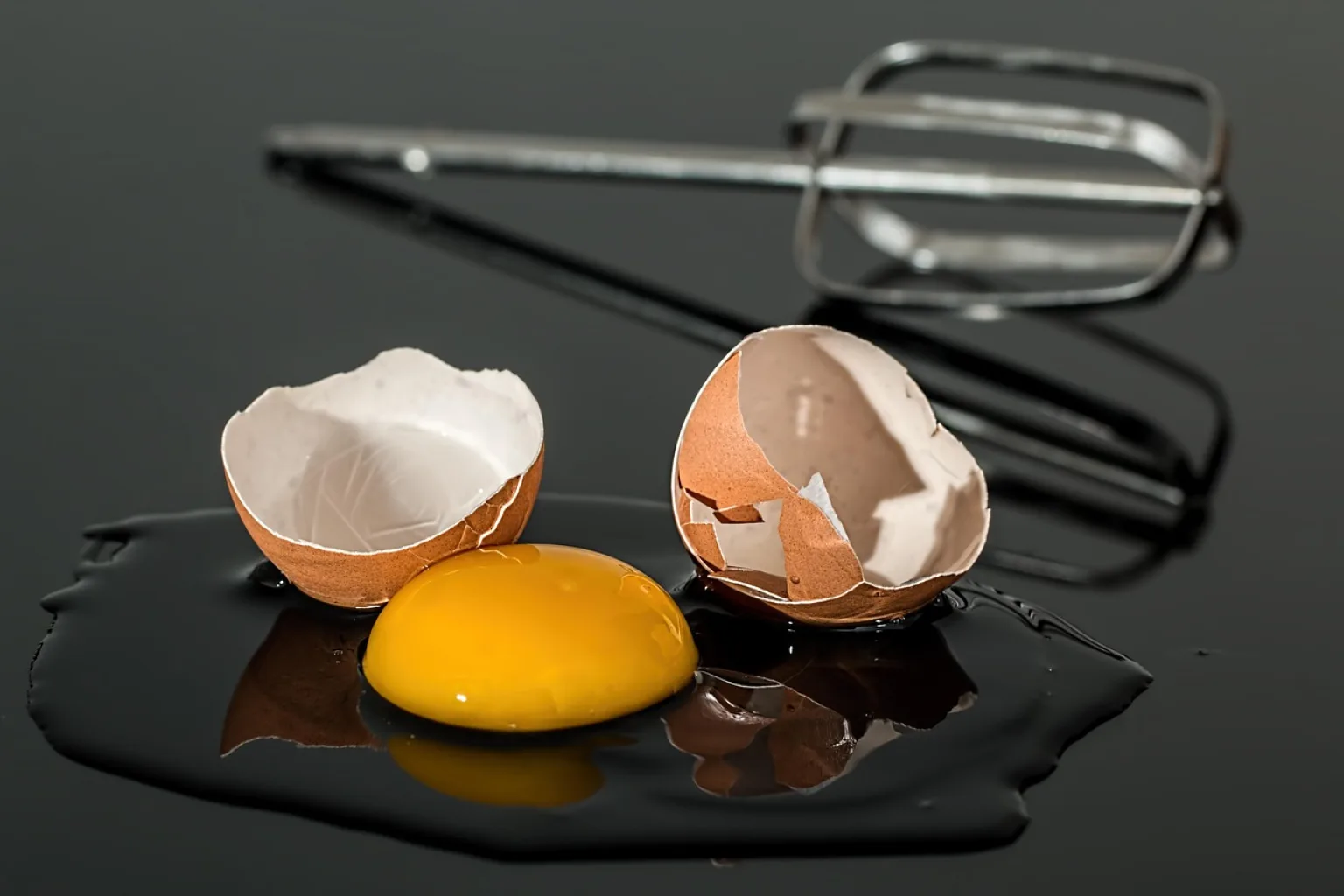
Egg yolk is the rounded portion inside an egg, surrounded and protected by a membrane called the vitelline membrane. When raw, it has a viscous texture and can be separated from the white while retaining that membrane. Cooking makes it firm. Its color can range from yellow to orange; factors noted for this variation include the bird’s feed and the egg’s treatment or cooking. Yolk is versatile: it can be served fried or boiled, used in omelets, and incorporated into sauces and pastry preparations.
When to use it
Use yolk when you specifically want the yellow part of an egg, for example in an omelet, sauce or pastry cream. It also works in fillings for cooked eggs: once cooked, it can be mashed and mixed with other ingredients. In sweet or savory recipes, account for the difference in texture: raw yolk is viscous, while cooked yolk firms up. Choose how to use it according to the texture the preparation calls for rather than assuming raw and cooked yolk behave alike.
How to use it
To separate a yolk, open the egg carefully and try to keep the membrane around it intact; this helps hold the yolk together. You can fry or boil it, or include it in an omelet. For deviled eggs, remove the cooked yolk and mash it; one documented preparation mixes it with mayonnaise, mustard, vinegar, salt and pepper. Hummus or paprika can provide variations for that filling, but they are not direct substitutes for yolk in other recipes. For sauces and pastry creams, follow the recipe: cooking changes the yolk’s texture from viscous to firm.
Flavour and texture
The available evidence describes texture in particular: raw yolk is viscous and becomes firm when cooked. Its color can be yellow or orange and may vary with the bird’s feed and with the egg’s treatment or cooking. If cooking goes on too long, the yolk can develop a grayish color. Color alone does not show how it will behave in a recipe or determine its culinary use.
How to choose it
Choose intact eggs, and check package information and directions if buying separated yolk or an egg product. Yolk color can vary from yellow to orange, with factors including the bird’s feed and the egg’s treatment or cooking. Do not use color alone to judge how the yolk will behave in a preparation. For packaged products, follow the directions specific to that product.
Storage
Store eggs, separated yolk or egg products according to their package directions and the applicable official guidance where you live. The available evidence does not establish detailed storage times or conditions for every product, so none are specified here. If you separate yolk at home, handle it carefully and consult relevant official guidance before storing or using it uncooked. Do not assume instructions for one egg product apply to another; check its label.
Substitutions
No direct, one-for-one substitute for yolk is established here. In deviled eggs, hummus can make a different kind of filling, but it does not necessarily perform yolk’s role in a sauce, pastry cream or batter. A mayonnaise, mustard and vinegar mixture can also vary the documented filling; do not treat it as an automatic replacement for yolk in other preparations.
Common mistakes
Do not assume every yolk has the same color: it can vary with the bird’s feed and with treatment or cooking. Do not expect cooked yolk to retain its raw texture; it firms up. Excessive cooking can make it grayish. Finally, do not treat hummus or a filling mixture as a universal replacement for yolk in recipes where it has a different function.
Safety and allergens
Handle eggs and egg products according to their package directions and consult applicable local official guidance, especially if the preparation will be served uncooked. No safety times or temperatures are specified here; follow an official guide relevant to your product and location.
Culinary uses
- Ingredient for omelets and other egg preparations
- Component in sauces and pastry creams
- Base for mashed fillings in cooked eggs
Recommended techniques
- Separate it from the white while keeping its surrounding membrane intact
- Mash cooked yolk for a filling
- Fry or boil it, or incorporate it into an omelet
Pairs well with
- Mayonnaise, mustard and vinegar in a mashed-yolk filling
- Hummus or paprika as variations for deviled-egg filling
- Vegetables, fish or meat in omelets
Frequently asked questions
What is egg yolk?
It is the rounded part inside an egg, surrounded by a membrane that separates and protects it from the white.
How does cooking change its texture?
Raw yolk is viscous and firms as it cooks. Excessive cooking can give it a grayish color.
What can I use egg yolk for?
It can be used in omelets, sauces, pastry creams and fillings, or served fried or boiled.
Estimated nutrition
- Fat
- 26.5 g
- Saturates
- 9.55 g
- Carbohydrate
- 3.59 g
- Sugars
- 0.56 g
- Fibre
- 0 g
- Protein
- 15.9 g
- Salt
- 0.12 g
Sources and review
Automatically researched, cross-checked and validated content. Sources consulted:
- The Essential Glossary of Cooking Terms for the Culinary Arts - Escoffier escoffier.edu
- Nutrition After Your Transplant - Health Online healthonline.washington.edu
- GUIA OVOPRODUCTOS PDF WEB aesan.gob.es
- Influencia de la harina de zapallo (Cucurbita moschata) como pigmentante de la yema de huevo | Mendoza Rivadeneira, | Archivos de Zootecnia doi.org
- Huevos a la diabla – Food Smart Colorado foodsmartcolorado.colostate.edu
- 4 beneficios del huevo para la salud | University of Utah Health healthcare.utah.edu
- ¿Qué contiene la yema de huevo? – Botanical-online botanical-online.com
- Las propiedades gastronómicas del huevo. unlp.edu.ar
- Yema de huevo: historia y propiedades - Blog de In Vitta suplementosinvitta.com