- Category
- Vegetables
- State
- Fresh
- Usual unit
- unit
What it is
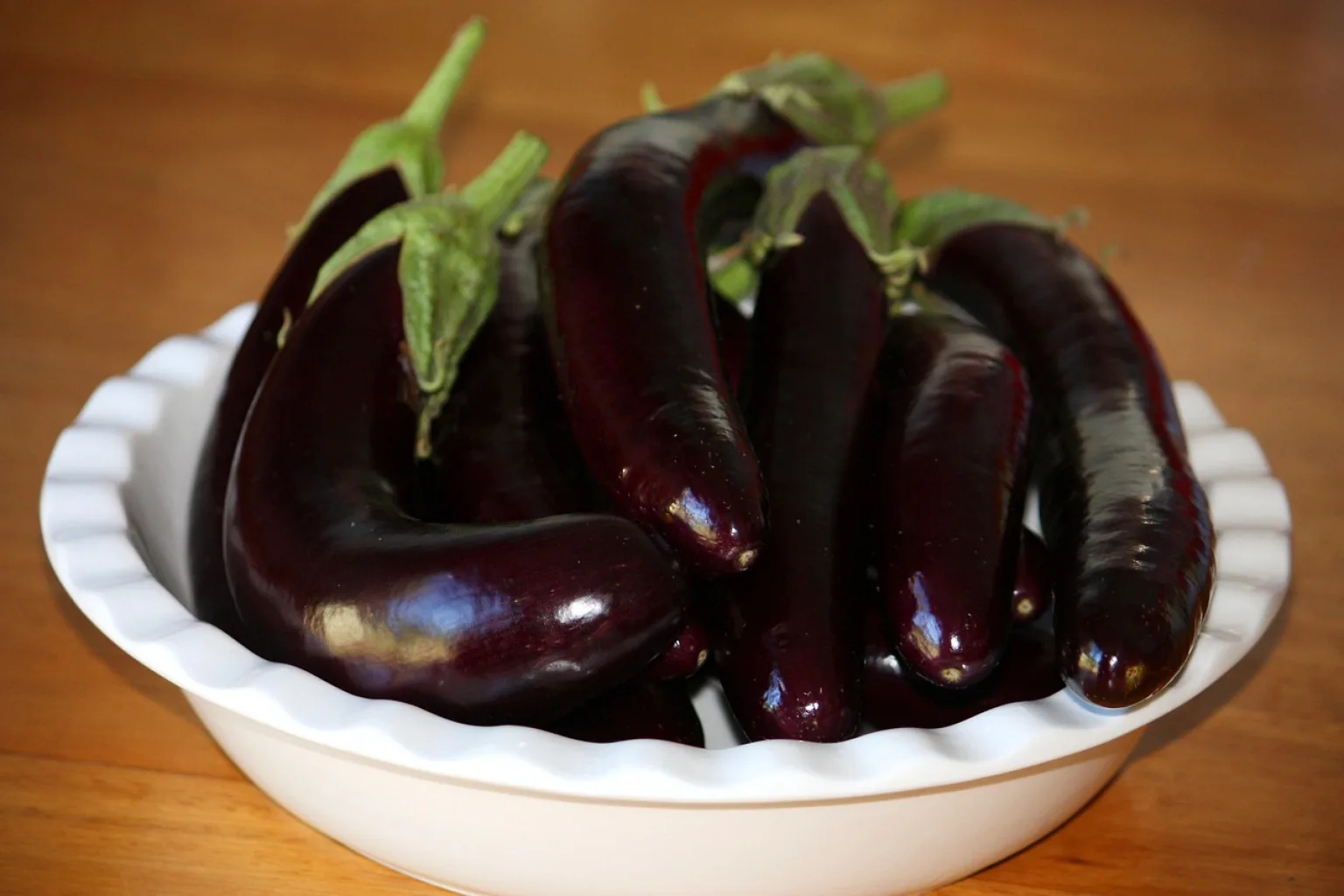
Eggplant is the edible fruit of Solanum melongena, a member of the nightshade family, which also includes tomatoes and potatoes. In cooking, it is generally treated as a vegetable. Available varieties may be long, round, or oval, with purple, white, yellow, or mottled skin. The flesh is usually pale and spongy when raw, and its consistency changes during cooking. This makes eggplant useful as a main ingredient, a side, a base for a spread, or a vessel for a filling. Size, shape, and variety affect how it is best cut and how it turns out; not every eggplant has exactly the same texture or flavor.
When to use it
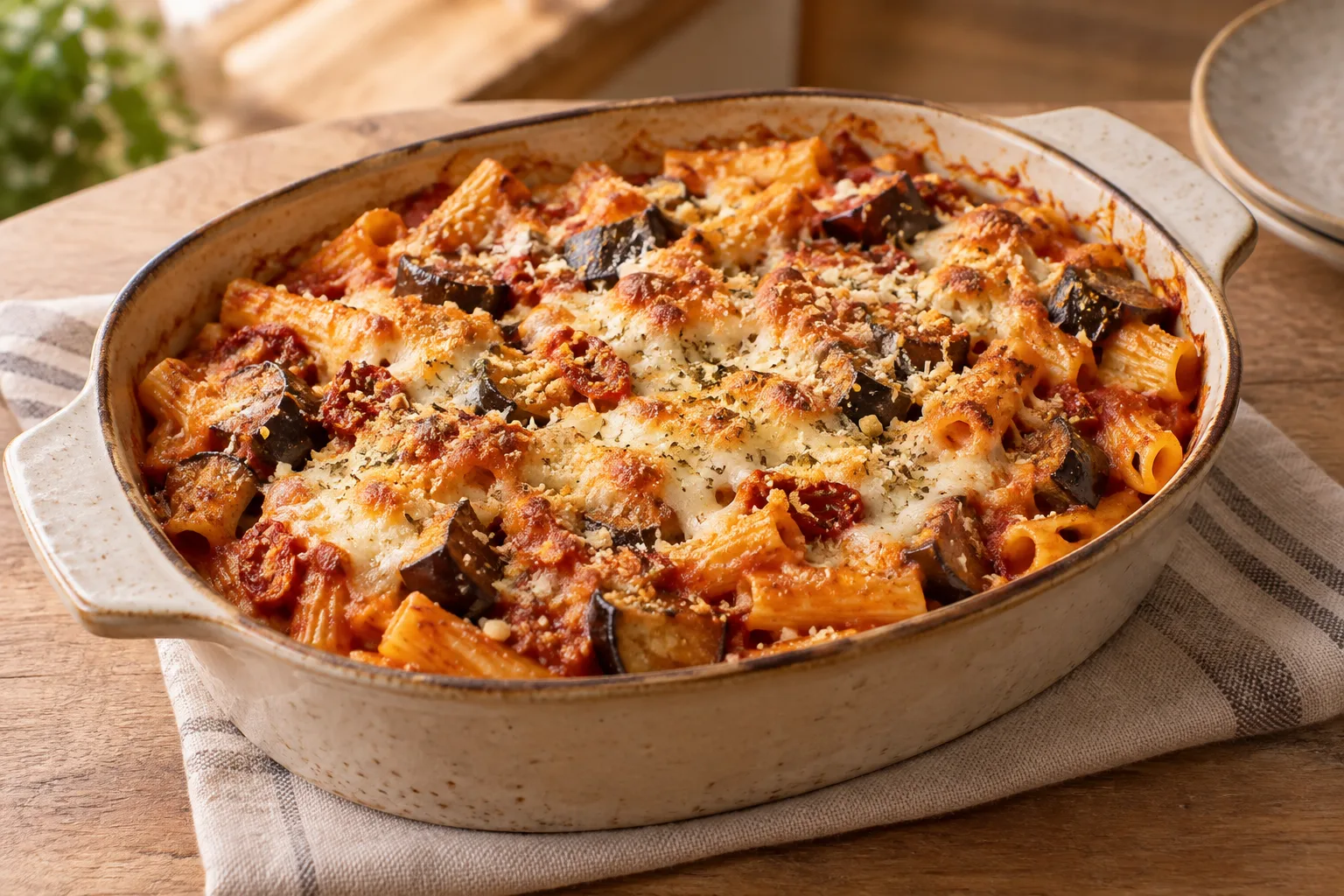
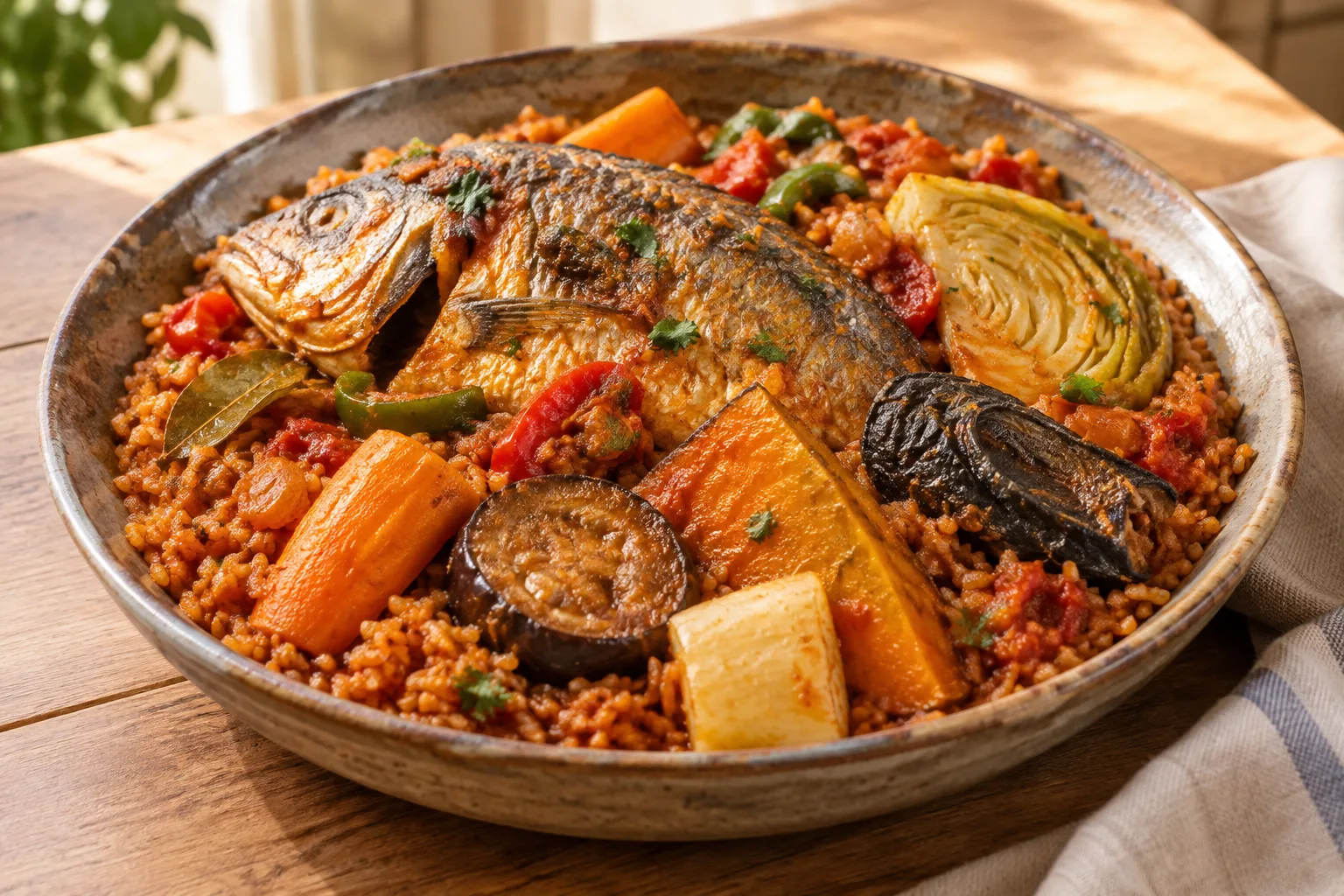
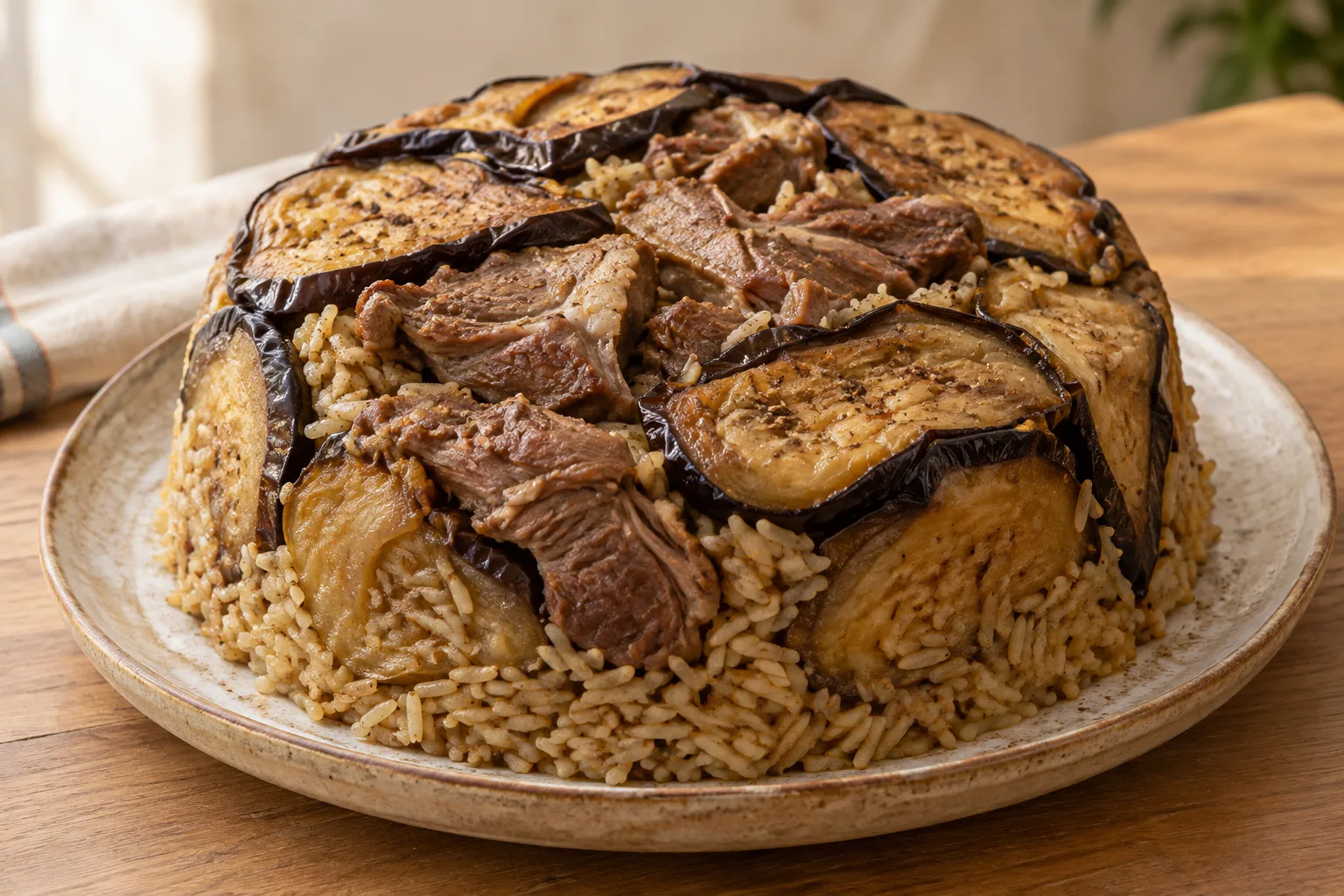
Use eggplant when you want a vegetable base that can become soft and tender when roasted or baked, or blend into a stew while taking on the flavors around it. Smaller or rounder fruits can work well for stuffing, while slices and lengthwise pieces are useful for pan-cooking or layered dishes. Cooked eggplant can also feature in starters and spreads. Availability and varieties differ by region and growing system, so the evidence here does not support one calendar that applies to every market.
How to use it
Wash the eggplant and cut it for the dish: slice it for pan-cooking or layered preparations, dice it for sautés and stews, or halve it lengthwise if you plan to stuff it. It can be roasted or baked until tender, cooked on a hot surface to brown it, fried, or added to a stew. Cooked flesh can also be mashed into a cream or spread. Pair it with tomato, garlic, onion, herbs, cheese, or tahini; these give different results, so choose accompaniments to suit the dish. Cooking changes its consistency substantially: select the cut and method according to whether you want browned pieces, soft flesh, or an ingredient that blends into a sauce.
Flavour and texture
Eggplant has a mild flavor that can seem slightly bitter, and a spongy flesh when raw. Heat transforms its texture: roasting or baking makes it tender and potentially silky; pan-cooking can brown it, while stewing lets it blend with the cooking juices and seasonings. The result depends on variety, cut, and method. Skin and color also vary between varieties, so appearance and texture are not identical across all fruits.
How to choose it
Choose eggplants that feel firm and have smooth, glossy skin without visible blemishes, following the available market guidance. Fruits may be purple, white, or mottled, and long, round, or oval; color alone does not define uniform quality or a single best use. Consider the recipe before choosing: a fruit that is easy to slice works well for pan-cooking, while a suitable shape can make stuffing easier. Variety and size may affect texture.
Storage
The available evidence does not establish a universal storage duration or set of conditions for fresh eggplant; these can depend on the product and how it is sold. Do not assume a specific keeping time or transfer storage directions for a cooked dish to fresh produce. If packaged eggplant has special storage directions on its label, follow them. For products without specific instructions, consult official food-safety guidance that applies where you live, and discard the item if its condition gives you reason for concern.
Substitutions
There is no exact substitute for eggplant: its spongy flesh changes substantially during cooking. In a stew or baked dish, zucchini can play a similar vegetable role, though the final texture will differ. Pepper can work as an alternative in some stews or fillings, but it changes the flavor and consistency. Adjust the cut and cooking method to the ingredient you choose, and do not expect an exact copy of the original dish.
Common mistakes
A common mistake is treating every variety as if it had the same shape, size, and texture; adapt the cut to the fruit and recipe. Different methods also produce different results: roasting, frying, and stewing do not give eggplant the same consistency. If frying it, bear in mind that eggplant can absorb a considerable amount of oil, so the amount used affects the result. Do not apply storage directions for a cooked preparation to fresh eggplant.
Safety and allergens
The AESAN assessment in the evidence could not characterize the risk from eggplant glycoalkaloids because sufficient data were lacking. As a precaution, consume eggplant as part of a culinary preparation, and do not treat this profile as a toxicological assessment. If packaged food has special storage or use directions, follow its label.
Culinary uses
- Protagonista de platos asados, guisos, rellenos y gratinados.
- Guarnición o componente de entrantes y preparaciones para untar.
Recommended techniques
- Asar u hornear para obtener una pulpa tierna.
- Cocinar a la plancha, saltear, freír o incorporar a guisos.
- Cortar y rellenar; también puede hacerse puré o crema después de cocinarla.
Pairs well with
- Tomate, ajo, cebolla y pimiento.
- Hierbas como albahaca, tomillo, orégano y menta.
- Tahini o sésamo, aceitunas, alcaparras y queso.
- Legumbres o carne en preparaciones rellenas y guisos.
Frequently asked questions
Is eggplant a fruit or a vegetable?
Botanically, it is a berry. In cooking, it is generally classified and used as a vegetable.
How can I cook eggplant?
You can roast, bake, pan-cook, sauté, fry, or stew it. Cooked flesh can also be mashed into a cream or spread.
Are all eggplants purple and long?
No. Varieties include purple, white, yellow, and mottled fruits in long, round, and oval shapes.
Estimated nutrition
- Fat
- 0.18 g
- Saturates
- 0.03 g
- Carbohydrate
- 5.88 g
- Sugars
- 3.53 g
- Fibre
- 3 g
- Protein
- 0.98 g
- Salt
- 0 g
Sources and review
Automatically researched, cross-checked and validated content. Sources consulted:
- En el etiquetado alimentario hay algunas menciones que son obligatorias eletiquetadocuentamucho.aesan.gob.es
- Client Challenge doi.org
- 07/04/2022 Página 1 de 5 GLICOALCALOIDES aesan.gob.es
- Berengena: descubre sus orígenes y por qué es el comodín de la cocina mediterránea lavanguardia.com
- La Berenjena: Historia, Expansión, Usos Gastronómicos Y Beneficios Nutricionales - Restaurante Romero restaurante-romero.es
- Por qué debemos comer berenjena: 10 beneficios que te convencerán | Faborit Fresh bar faborit.com
- Datos Curiosos sobre Berenjenas + Recetas Españolas d (2026) spanishfoodguide.com
- Solanum melongena - Wikipedia, la enciclopedia libre es.wikipedia.org
- La berenjena: historia, cultivo, variedades y usos gastronómicos frutasverduras.net
- Berenjenas: Belleza y origen diverso en una sola imagen amantesdelasplantas.com
- Berenjena: Beneficios, propiedades y usos - FarmaZara Blog - Salud, Belleza, Dieta y Nutrición farmazara.es
- 29 Hechos Sobre Berenjena - Facts.net es.facts.net
- Berenjena: Variedades, Propiedades, Beneficios y Cultivo frutamerca.com
- 5 recetas con berenjenas saludables y exquisitas – Bigcrafters bigcrafters.com
- Maridaje perfecto con berenjenas healthypig.com.hk
- La berenjena que muchos cocinan siempre igual tiene otras formas de quedar espectacular en la mesa elconfidencialdigital.com
- 12 recetas con berenjena: asada, frita, rellena y con sabores de medio mundo | Gastronomía & Cía gastronomiaycia.com