- Category
- Vegetables
- State
- Fresh
- Usual unit
- unit
What it is
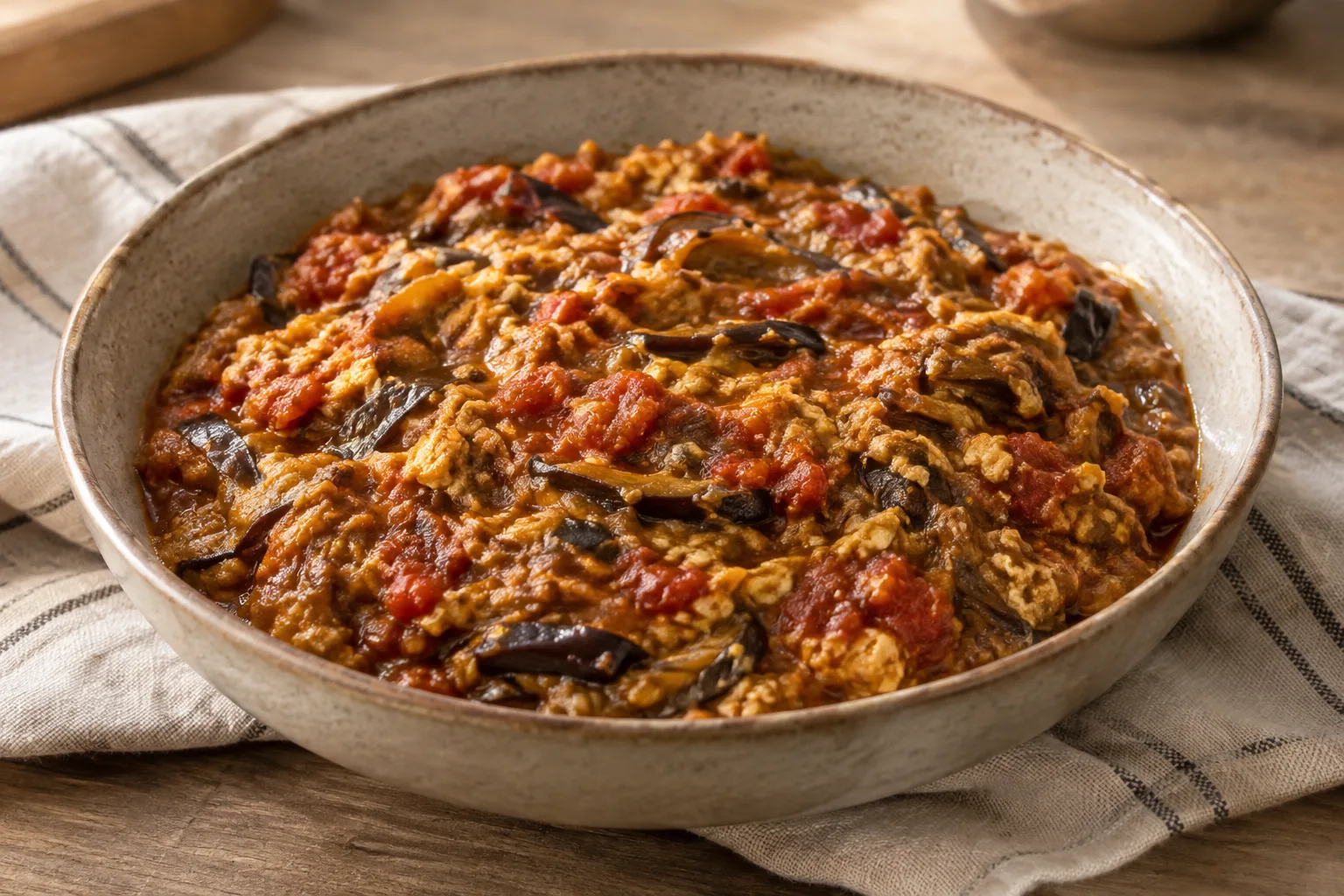
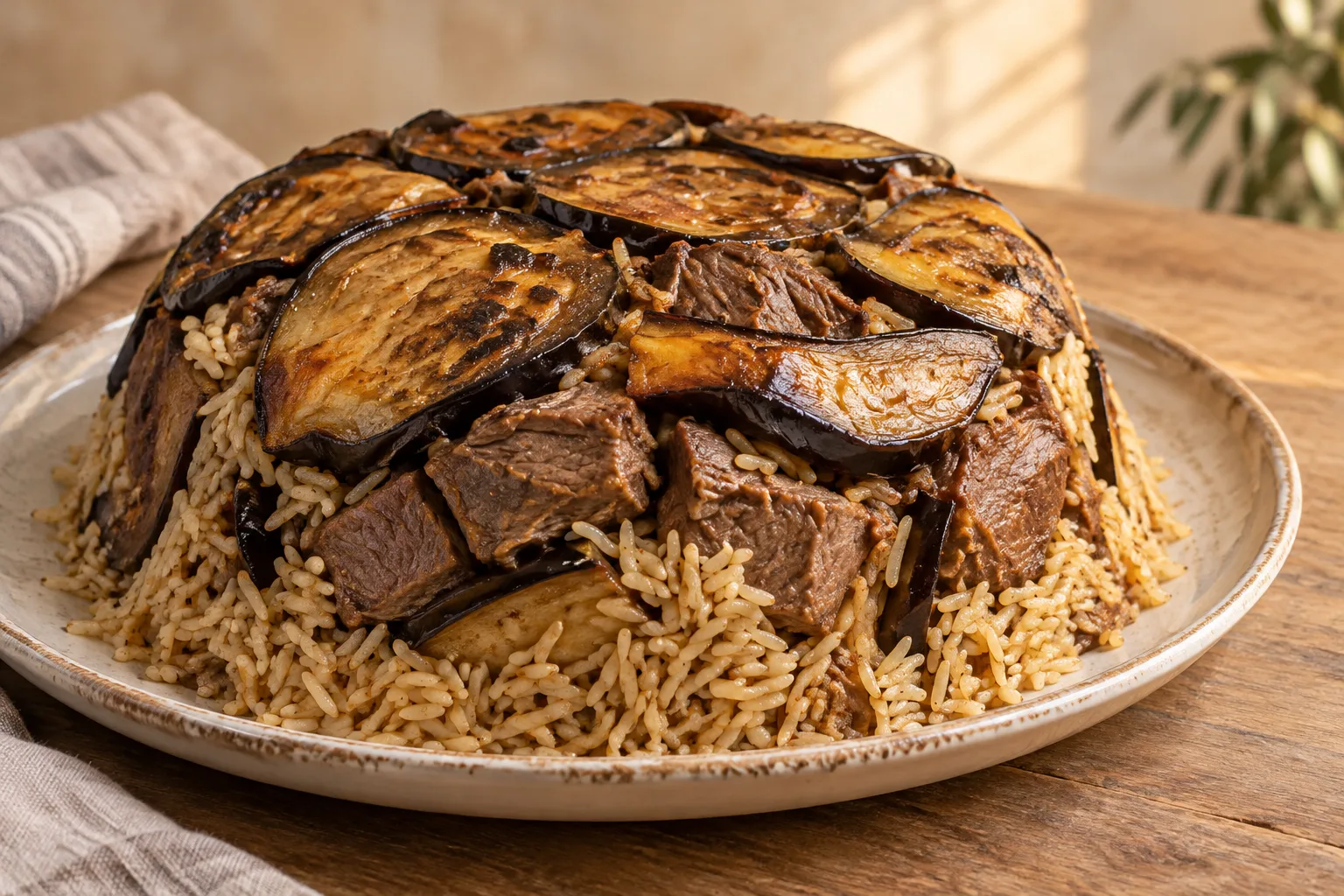
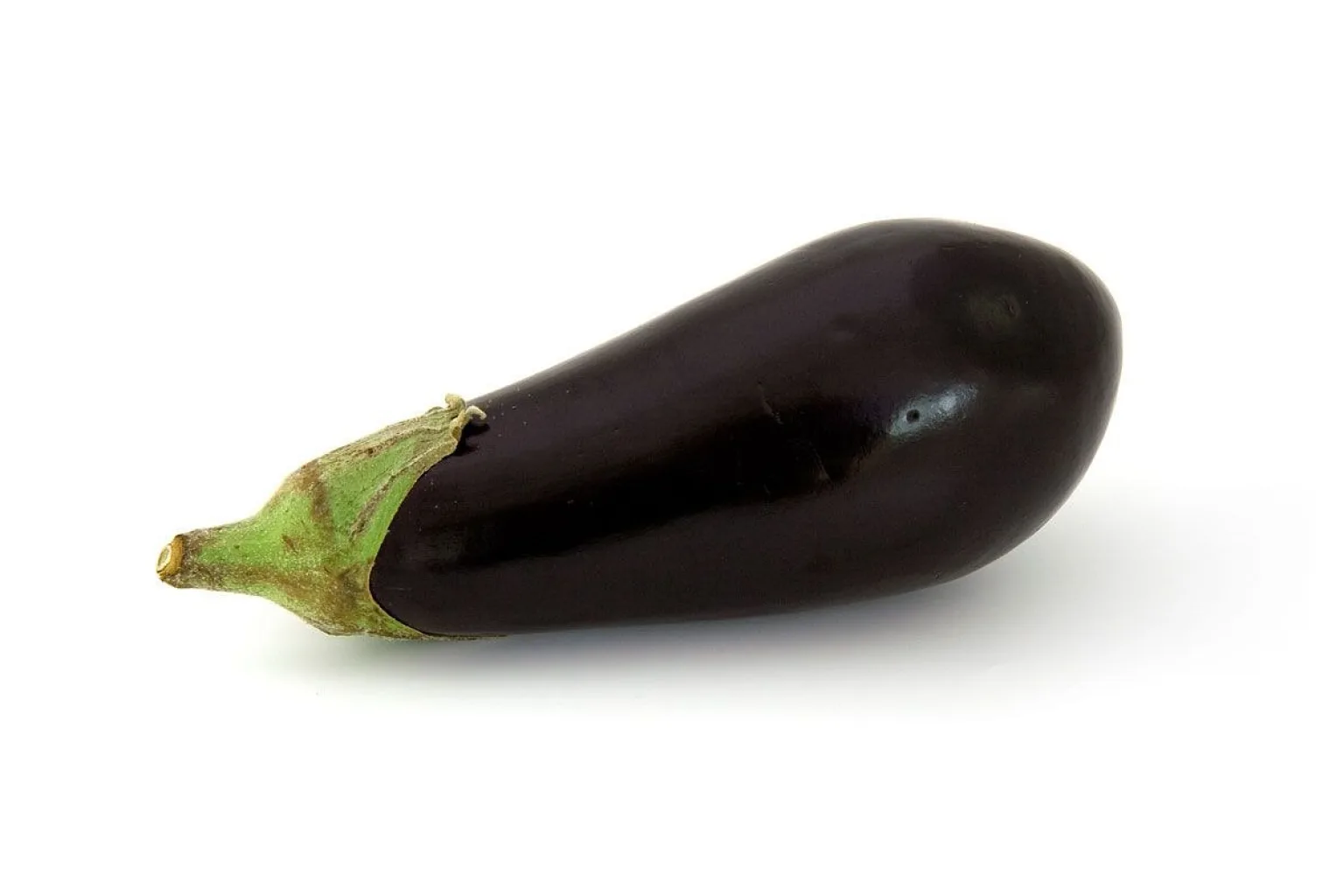
Eggplant is the edible fruit of a plant in the nightshade family, though it is generally treated as a vegetable in cooking. The familiar type has glossy purple skin and pale flesh, but eggplants can also be white or white-and-purple striped, and may be round, elongated, or teardrop-shaped. Its substantial flesh works well in vegetable dishes, casseroles, sauces, and stuffed preparations. Color, shape, and size vary by variety, so a white or slender eggplant is not automatically a poor-quality one. Use the variety and its condition, rather than appearance alone, to guide your choice and preparation.
When to use it
Use eggplant when you want a tender, substantial component in a vegetable dish, casserole, sauce, or filling. Whole or halved eggplants can be roasted or baked; slices work on a grill or in a pan, and cubes can go into stir-fries and stews. Eggplant slices can also stand in for lasagna sheets or provide an alternative base for pizza. Availability and harvest season depend on location: some local guides list a June-to-October season, but that schedule should not be treated as universal. Choose a cooking method that suits the cut and the role you want the eggplant to play.
How to use it
Rinse the eggplant under cold running water shortly before preparation and trim off the stem. Leave the skin on if you want the pieces to keep their color and shape, or peel it when the recipe calls for that. Cut into slices, cubes, or halves, then grill, roast, bake, fry, or sauté; halved eggplants can also be stuffed and baked. To remove excess moisture from slices, an extension guide suggests laying them on a rack or clean towel and drying them before cooking. Eggplant pairs well with tomato, zucchini, garlic, onion, herbs, cheese, lemon, or cumin. Cut it shortly before use because the pale flesh can brown quickly after cutting.
Flavour and texture
Eggplant has pale, meaty flesh that becomes tender when cooked and can give a dish a substantial texture. Flavor and texture vary with variety and condition: smaller eggplants are often less bitter, while shriveled or limp ones may taste less appealing. Not every eggplant is purple or teardrop-shaped, so assess firmness and surface condition rather than relying on one expected appearance.
How to choose it
Choose eggplants that feel firm and heavy for their size and have smooth, glossy skin. Avoid bruises, sunken dark areas, cracked skin, and visible decay; a green stem without mold is a useful sign of quality. Common eggplants are deep purple, but white, striped, round, and elongated varieties are also available. One extension guide recommends medium-sized fruit for some common varieties, but the best size depends on the variety and the dish you plan to make.
Storage
The storage guidance in the sources differs: one extension guide advises keeping eggplant at room temperature and using it promptly, while another recommends the refrigerator crisper and use within a week. Prolonged refrigeration may cause pitted skin or soft, water-soaked spots. Follow relevant local guidance for the eggplant you buy, avoid extended storage, and wash it just before preparation. Eggplant can be frozen, but use a tested method that includes blanching and suitable packaging rather than freezing it unprepared.
Substitutions
Use eggplant slices in place of lasagna sheets, keeping in mind that the texture and result will differ. Grilled eggplant can also serve as an alternative pizza base. In other recipes, its meaty texture can make it a stand-in for meat, but it does not provide the same flavor or nutritional profile. Adjust the cut and cooking method to the recipe instead of assuming the swap will be identical.
Common mistakes
Do not judge eggplant quality by purple color alone: varieties may be white, striped, round, or elongated. Avoid fruit that is limp, shriveled, or visibly damaged, and do not cut it far ahead if you want to limit browning. Another common mistake is assuming that all storage advice is the same: recommendations vary, and extended refrigeration can affect quality.
Safety and allergens
Wash eggplant under cold running water before preparation. Do not use soap, detergent, or bleach to wash the vegetable; an extension guide cautions that these liquids can be absorbed. Keep preparation utensils and surfaces clean.
Culinary uses
- Main ingredient in vegetable dishes
- Meaty-textured component or meat substitute in recipes
- Base for dips and spreads
Recommended techniques
- Roasting
- Grilling
- Baking
- Sautéing
- Frying
- Stuffing
Pairs well with
- Tomatoes
- Zucchini
- Garlic
- Onion
- Fresh herbs
- Lemon
- Cumin
- Breadcrumbs
- Cheese
Frequently asked questions
Do I need to peel eggplant?
Not necessarily. Peel it if your recipe calls for it; eggplant can also be cooked with its skin on.
How do I choose a good eggplant?
Look for one that is firm, smooth, glossy, and heavy for its size, with no bruises or sunken areas.
Can eggplant be frozen?
Yes. For better results, follow a tested method that washes, slices, blanches, cools, drains, and packages the eggplant before freezing.
Estimated nutrition
- Fat
- 0 g
- Saturates
- 0 g
- Carbohydrate
- 5.88 g
- Sugars
- 3.53 g
- Fibre
- 3.5 g
- Protein
- 1.18 g
- Salt
- 0 g
Sources and review
Automatically researched, cross-checked and validated content. Sources consulted:
- Client Challenge doi.org
- The Essential Glossary of Cooking Terms for the Culinary Arts - Escoffier escoffier.edu
- La Berenjena: Historia, Expansión, Usos Gastronómicos Y Beneficios Nutricionales - Restaurante Romero restaurante-romero.es
- Aplicaciones de la Biotecnología en Seguridad Alimentaria aesan.gob.es
- Survey of insect pests and plant diseases of selected food ... ageconsearch.umn.edu
- Como Utilizar Las Berenjenas | CSU Extension extension.colostate.edu
- Selecting, Storing, and Serving Ohio Eggplant | Ohioline ohioline.osu.edu
- Uses Selection Try It! fonddulac.extension.wisc.edu
- Freezing Eggplant - National Center for Home Food Preservation nchfp.uga.edu
- Eggplant | UNL Food | Nebraska food.unl.edu
- Food Safety Modernization Act: The Zone Concept extension.psu.edu
- GastroWiki - Blog sobre Gastronomía gastroalianza.es
- Origen histórico de la berenjena en la cocina. - De la Manuela delamanuela.com
- Tipos de berenjenas y sus características freshis.com
- Berenjena ¿Qué es? Tipos, propiedades y beneficios abc.es