- Category
- Grains, flour and pasta
- State
- Fresh
- Usual unit
- cup
What it is
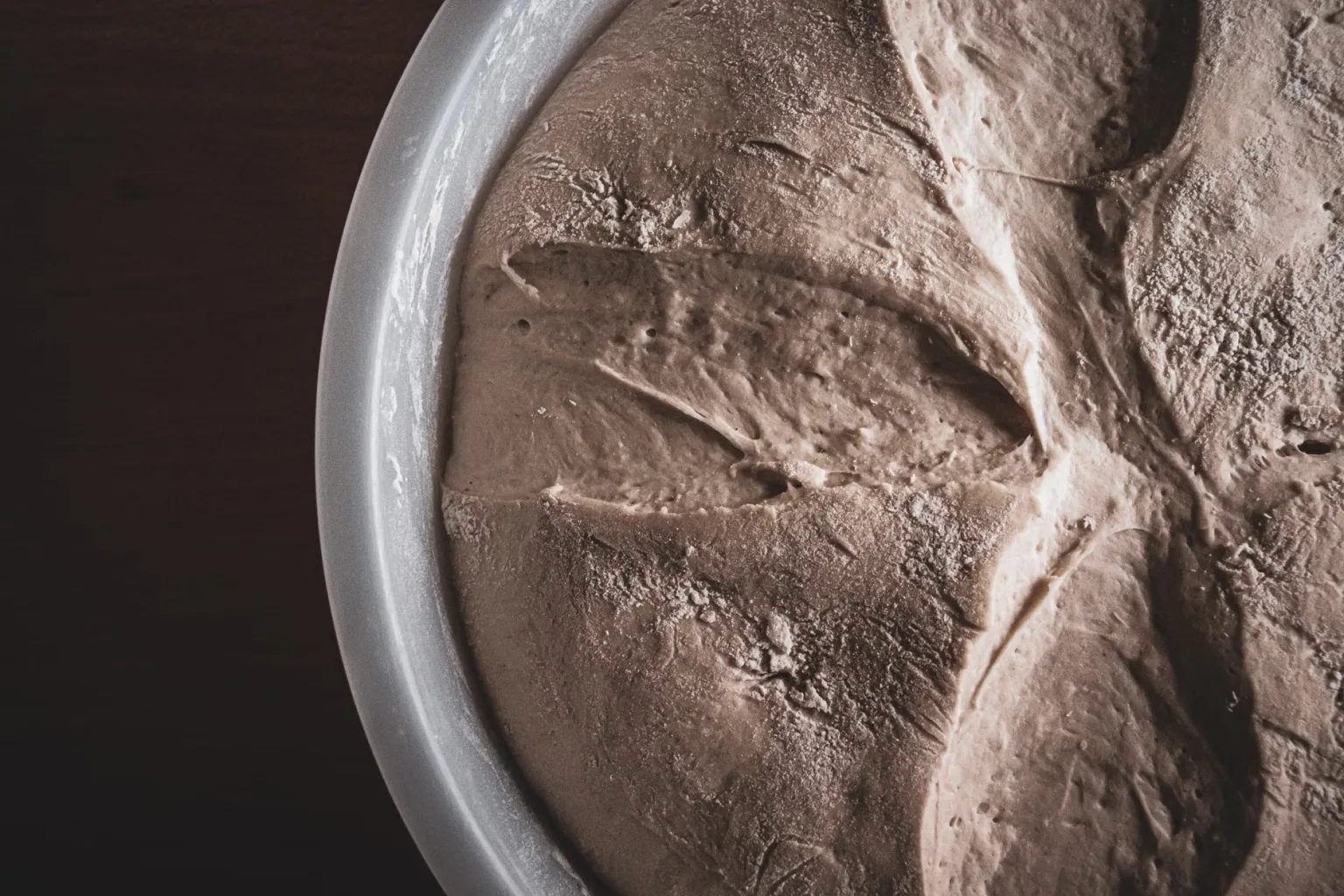
Fermented corn dough is a moist preparation based on corn dough that has undergone fermentation. The name alone does not identify one universal recipe: the available source describes a particular preparation in which dough is wrapped in banana leaves and fermented for two days to make a food called pozol. The same source says that various beverages can be made from pozol. It is useful to distinguish this preparation from fresh, unfermented corn dough and to follow the description of the specific product you have. The evidence does not establish a single composition, flavor, texture, or process for all fermented corn doughs.
When to use it
Use it when a recipe specifically calls for fermented corn dough or when preparing a dish based on pozol. The source links dough wrapped in banana leaves and fermented with pozol, and notes that pozol can be used to prepare beverages. Do not automatically replace it with fresh, unfermented dough in a recipe that depends on fermentation. If the package or maker provides specific instructions, consult them when deciding how to adapt the preparation.
How to use it
Before cooking, confirm what kind of fermented dough you have and what use its label or maker recommends; the available evidence does not describe one universal formula. One documented application is pozol, made from dough wrapped in banana leaves and fermented; pozol can then be used to prepare various beverages. The source also describes general uses for corn dough, including as a base for atole and tamalitos, and mixtures with chipilín, loroco flowers, or cooked beans. Those examples do not establish that every fermented dough will behave the same way in every recipe. Avoid assuming proportions, extra fermentation times, or cooking methods that your recipe does not specify.
Flavour and texture
The available evidence does not specify a flavor, acidity, aroma, or texture profile for all fermented corn doughs. These characteristics may depend on the particular preparation, but the supplied sources do not describe their variation precisely. In cooking, treat the product you have as a moist corn dough and check its consistency before mixing it in. Do not assume it behaves just like fresh, unfermented dough.
How to choose it
Look for a product clearly identified as fermented corn dough and check the uses and preparation details supplied by its maker or seller. The name can cover different processes: the available source documents one pozol preparation, but does not establish a standard recipe for every product. If you need a particular result, ask whether it is dough for pozol or another preparation, and consult the seller’s directions. The evidence does not support using appearance, aroma, or texture as a universal quality test.
Storage
The available sources do not state how to safely store every kind of fermented corn dough or how long it lasts. Follow the package or maker’s instructions and observe any stated date and storage conditions; do not infer a storage life from the word fermented. If reliable directions are missing, ask the seller before storing or consuming it. This guide does not provide a home-preservation method or validate canning for long-term storage.
Substitutions
Unfermented corn dough may work when a recipe needs corn dough but does not rely on fermentation. It is not an identical replacement: the sources give no conversion ratio and do not describe how the result would change. Another possible base is dough made from corn cooked in lime water, a process the source describes for making corn dough. Check that the recipe allows this change before substituting.
Common mistakes
Do not treat all fermented doughs as one recipe: the source describes a particular pozol preparation, not a standard for every product. Do not assume fresh, unfermented corn dough will produce the same result, or invent fermentation or storage times. Check the product instructions before cooking, and do not use this guide to improvise a canning or long-term preservation method.
Safety and allergens
The available sources provide no specific official safety warning for this ingredient and no validated home-preservation process. Follow the product instructions and ask the maker if directions are missing. Do not treat fermentation as a safety guarantee or improvise a canning process: safe canning depends on the food and the process used.
Culinary uses
- Base de preparaciones hechas con masa de maíz
- Base para una preparación fermentada como el pozol
Recommended techniques
- Fermentación de la masa
- Cocción de preparaciones moldeadas o envueltas con masa
Pairs well with
- Chipilín
- Flores de loroco
- Frijoles cocidos
Frequently asked questions
Is fermented corn dough the same as pozol?
Not necessarily. The source describes one preparation: dough wrapped in banana leaves and fermented to make a food called pozol. It does not say that every fermented dough is pozol.
Can it be used to make beverages?
The source says various beverages can be prepared from pozol. It does not give one universal recipe or say that every fermented corn dough is used in the same way.
Can I replace it with unfermented corn dough?
It may work in recipes that need corn dough but do not depend on fermentation. No exact equivalence is documented, so check that the substitution suits your preparation.
Sources and review
Automatically researched, cross-checked and validated content. Sources consulted:
- ¿Por qué la muerte es origen de miedos y tabúes? doi.org
- Nutrition After Your Transplant - Health Online healthonline.washington.edu
- Desarrollo de un pan de masa madre rico en GABA y ... diposit.ub.edu
- CERVECERO ESPAÑOL aesan.gob.es
- Comparative Perspectives on the Archaeology of Coastal ... sites.pitt.edu
- Ernesto Cardenal opendoor.northwestern.edu
- El maiz en la nutrición humana - Tecnología postcosecha: la elaboración fao.org
- Ensilado de maíz en alimentación de vacuno de leche mapa.gob.es
- Vamos a Conservar Alimentos: Aspectos Básicos de la Preparación de Conservas en Casa extension.psu.edu
- Efecto de la utilización de inóculos microbianos sobre las ... scholar.uprm.edu
- Sensibilidad al gluten no- celiaca (SGNC): La patología ... openaccess.uoc.edu
- Maíz: qué es, tipos y beneficios bonviveur.com
- El maíz en la gastronomía mexicana: conoce las preparaciones que más lo usan sinmaiznohaypais.org
- Uso de maíces y frijoles en alimentos fermentados fundaciontortilla.org
- alimentos fermentados de maiz consumidos en mexico y ... repositorio.fciencias.unam.mx